
- Home
- Roofing for Cities, Counties and Public Agencies
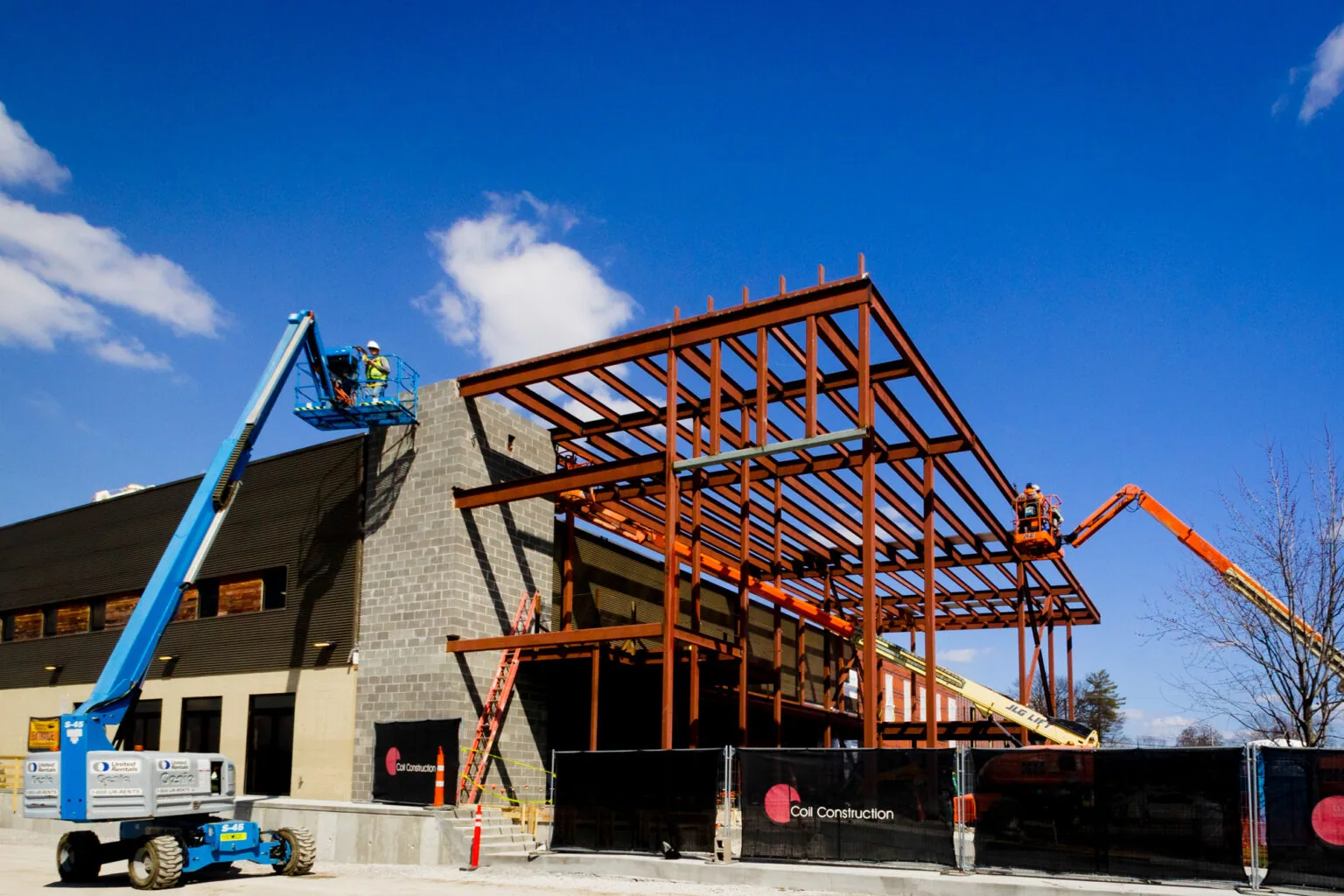
Roofing for Cities, Counties and Public Agencies in South Fulton, GA
A public building roof answers to a procurement file. The scope has to be written so every bidder reads it the same way. The records have to survive an audit. The building still has to open each morning. In South Fulton, GA those three rules shape the roof plan before any membrane is chosen.
The mechanism that changes the sequence is the public record. Findings, test openings and quantities must be stated, dated and photographed. A verbal opinion about a roof is not a bid document. A measured, mapped, dated finding is.
Building use: offices, shops, stations and community buildings
Public agencies hold a mixed set of buildings. Administrative offices. Public works shops. Fire and police stations. Libraries. Recreation and community centers. Storage yards. Each has a different roof, a different tolerance for a leak and a different schedule.
Group them by use. Buildings that must stay open at all hours, such as emergency services, need phased work and a standing emergency plan. Offices and community buildings can use weekend and evening windows. Storage and shop buildings can close for a few days. The roof record tags every building with its tier, so the capital list reflects what a failure would cost the public.
Emergency services buildings get a plan of their own. A fire station cannot close its apparatus bay for a week. A dispatch center cannot lose power or air handling. Roof work above those spaces is phased in short sections, each dried in the same day, with the station's own officers holding the stop switch. Their schedule sets ours.
Local planning: where the city is investing
South Fulton's strategic plan names several investment areas. A proposed Town Center near Camp Creek Parkway and Enon Road covers roughly 400 acres. The River Front District is a 200-acre mixed-use concept along the Chattahoochee. Old National is one of two Main Street districts in the city's planning, and Red Oak is a Main Street district slated for revitalization. A 2026 development tour treated several areas as priorities, among them Cedar Grove, Crestwood and Sandtown.
Public buildings near those areas will see construction traffic, utility work and changing access. Roofing plans note the active project next door. They do not assume anything about a roof from its address.
Active projects change the roof job. A building beside a road widening, a utility trench or a new development gets different staging, different delivery hours and a different dust plan. The access log notes the neighbor project and the contact for it before mobilization.
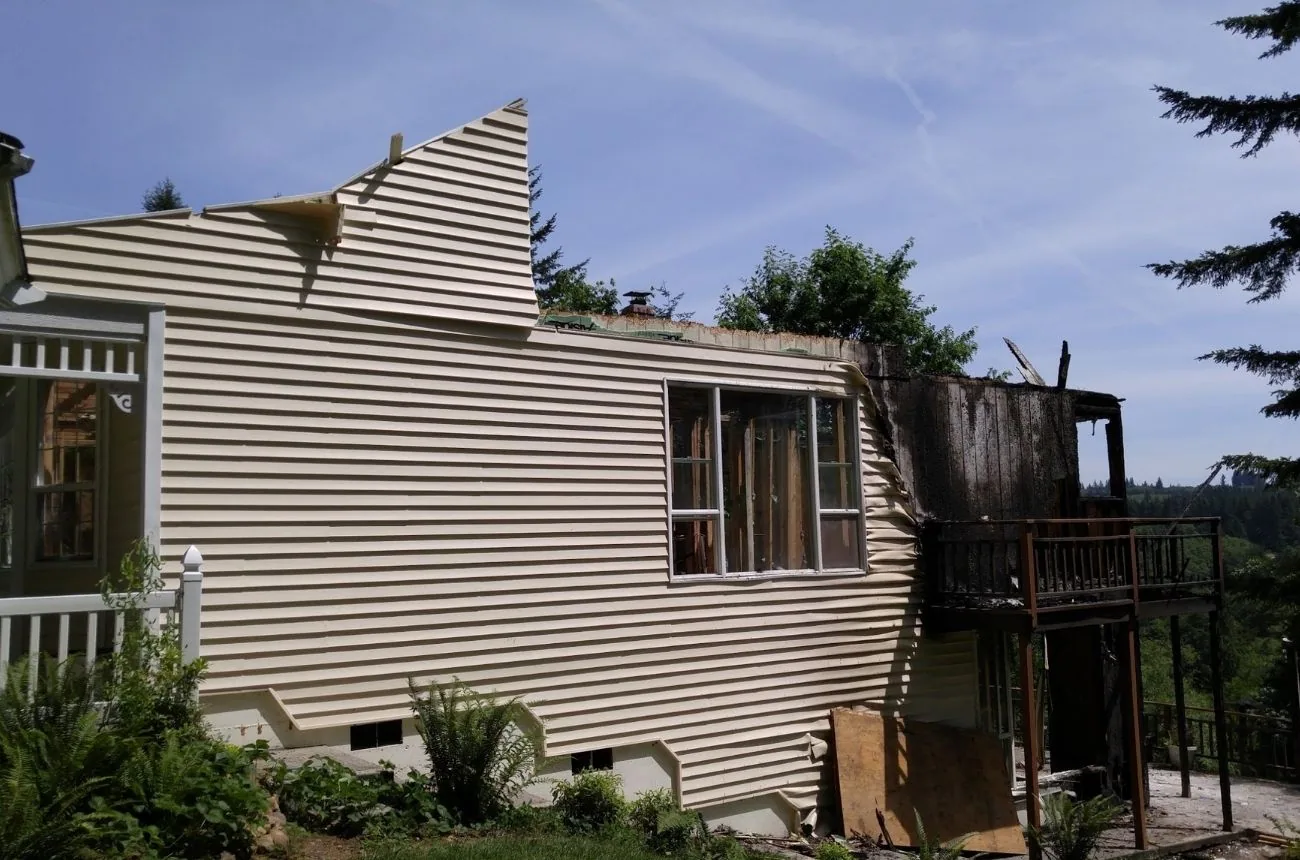
Public bids: scope language that holds up
Bid documents need three things. Quantities. Methods. Testing. The roof record supplies all three. Zone map. Core results. Moisture readings. Photographs. Bidders see the same facts, so unit prices mean the same thing to each of them.
Allowances carry names. If tear-off exposes wet insulation, the price per square foot is already in the bid, and a cut at a chosen spot sets the boundary. Alternates sit beside the base bid: a recover next to a tear-off, a coating next to a replacement. One page lets the agency compare them. Any change order begins from a unit price everyone saw. Product data, test results and the access log then move into the permanent file.
Public records matter to roofing too. Photographs, readings and logs may be requested long after the job ends. We keep them dated and named by roof zone, so a reader years later can find what was done on a given section on a given day, and by whom.
Code coordination: editions, amendments and reviews
Permits issued by South Fulton follow the 2024 code editions with Georgia amendments from January 1, 2026. Energy compliance in the state still rests on the 2015 edition as amended. Agency buildings follow those rules and any other criteria that apply to them.
List the likely triggers in the scope. A reroof can require added insulation, drainage changes or wind-resistance upgrades. Confirm the edition on each permit. If a reviewer asks for a change, the agency knows which line moves. Early flags save change orders and keep the schedule honest.
Timing: storms, heat and emergency response
Severe weather peaks in spring. April is the main hail month, tornadoes bunch up from March to May and the forecast office documented an EF-2 in South Fulton in March 2018. Strong wind is possible in any month. Long humid summers cut the safe working day.
Public buildings that serve in an emergency need a roof that holds up. Secure corners and edges before the field, since wind damage begins there. Each opening has a dry-in limit set in advance, and the temporary cover is tested. An emergency roof repair line stays open all night, holidays included, with a named contact at the agency.
After a storm, the first walk covers buildings that serve in an emergency. Photographs are dated and set beside the last record. The agency contact gets a brief note that day with the walk results and a proposed order for what remains.
Options and funding: repair, restore or replace in stages
Agencies work from annual budgets and capital plans, so one roof may get a repair this year, a restoration next year and a replacement when capital arrives. Each stage is written to support the next. Localized faults on dry board point to repair. A sound but worn membrane may suit a coating restoration. Wet board points to replacement.
A roof condition report rolls all buildings into one ranked list. Behind each line sit photographs and readings, so the council or board can follow the reasoning.
Cost drivers are plain to a public buyer. Roof area sets material. Penetration count sets labor. Access rules set the working day. Phasing sets the number of mobilizations. The scope lists each line so the agency sees what a rule adds to the number.
Send the building list and the bid calendar
What does a public bid package need from the roof record?
Quantities, methods, testing steps, a zone map, core results and photographs. We recommend naming allowances for wet insulation. Then every bidder prices the same roof and change orders start from a known unit price.
How do you keep an emergency services building open during a reroof?
By phasing. Sections are worked in turn, each dried in and tested before the crew leaves, with a standing emergency plan and a named contact at the agency.
How are code editions handled on a public project?
The scope lists the likely triggers, such as added insulation or drainage changes, and the edition is confirmed on each permit. Early flags avoid change orders.
Can a roof be repaired in stages across fiscal years?
Yes. Repair the worst zones now, restore sound ones next and replace the oldest when capital arrives.
What does the agency keep at closeout?
The closeout file: zone map, probe readings, material data, access log, photographs and open items, kept with the asset record.