
- Home
- Built-Up Roofing
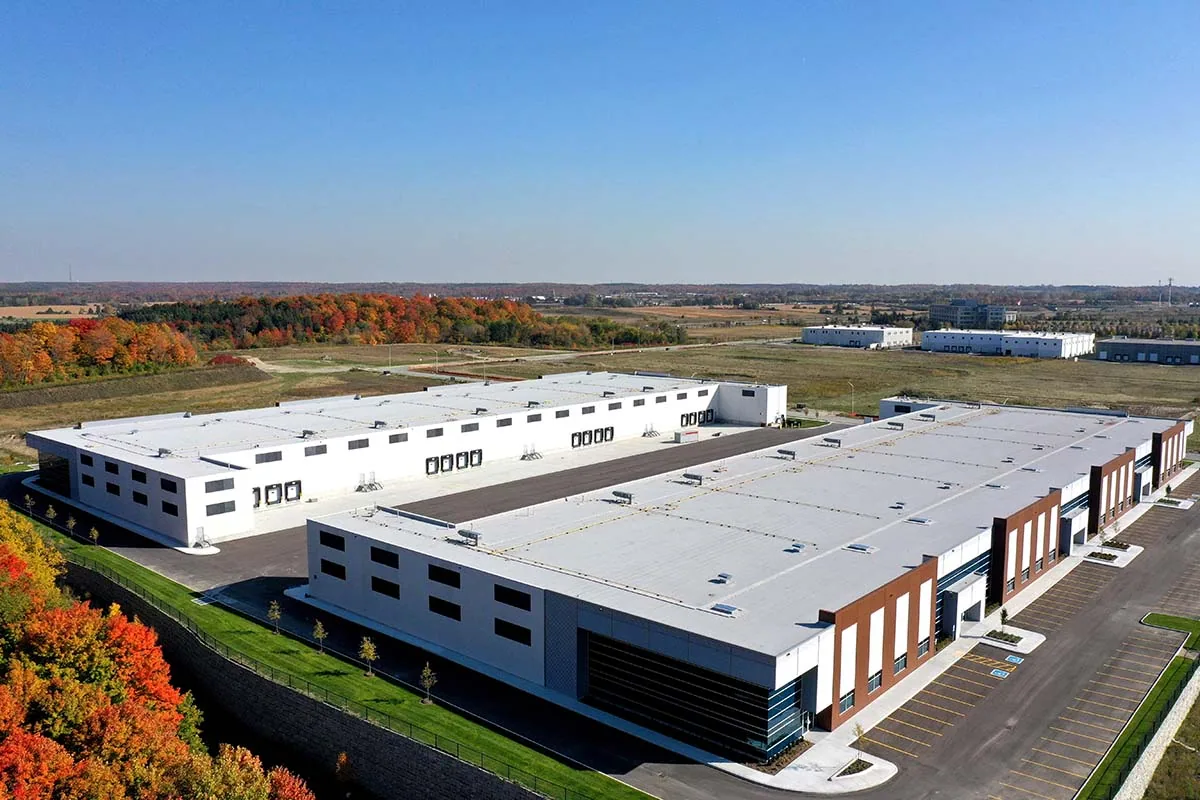
Built-Up Roofing in South Fulton, GA
A built-up roof is a stack of layers on a deck. The building use tells us the traffic. The roof zone tells us the drainage. The layer stack changes the sequence. Alternating plies of felt or fabric and asphalt, topped with gravel or a cap sheet, give the roof thickness and redundancy. They also give it weight, which the deck must carry. The first walk reads the surface, then confirms the layers with a core.
BUR is among the oldest low-slope systems still in service, so a building of any age may carry it. We never assume age. A permit record, a core sample or an installer's tag sets it. Wear shows at the surface and the edges first. Gravel scatters, bitumen alligators, plies slip and flashings crack. Each is photographed by zone and logged.
South Fulton covers more than 90 square miles, with commercial districts on Roosevelt and Old National highways, and its development authority lists industrial parks and flex space among available property. A built-up roof may sit on any of them. Location tells us where the building is. The core tells us what is on top of it.
Roof mechanism: how plies fail
Moisture is the main enemy. Water enters at a crack, a lap or a flashing and moves between plies. Heat then turns it to vapor and raises a blister. A blister that breaks is an open hole. Ridges form where felt wrinkles over a seam. Slippage happens on steep slopes where hot sun softens asphalt and plies creep.
Hot, humid summers are the Georgia norm in NOAA's account, and Atlanta tops 95 degrees on roughly seven days a year. That is a regional signal for heat exposure on low-slope roofs. We use it as a reason to look for softening and slippage, not as a measure of the roof. The probe and the camera give the measure.
Weight is the other mechanism. Gravel-surfaced BUR carries a heavy load, and layers added over the years add more. A recover on top of an existing stack adds weight again. The structural drawings set the limit, and we ask for them early. Where they are missing, a structural engineer checks the deck before more layers go on.
Inspection findings: surfacing, plies and flashing
The walk starts at the drains. Gravel often blocks them, so strainers are cleared first. Then we check the surfacing: bare spots, scattered stone, cracked flood coat. Then plies at edges and laps. Then flashings: height, termination, counterflashing and sealant. Findings go on the plan with position and photograph.
Core samples are central here. A core shows the number of plies, the insulation and the deck. It also shows moisture. We cut a small plug, record the layers, and patch the opening the same day. An infrared survey maps where to core, so we cut fewer holes. The wet boundary joins the repair boundary on the plan.
Flashing on BUR is often built from the same plies as the field, turned up the wall and capped with metal. When the plies crack at the turn, water runs behind the cap. We test the cap joints and the termination, mark gaps with paint and photograph each.
Penetrations, such as vents and pipes, have pitch pockets or boots. Pitch pockets dry out and shrink over time, leaving a gap around the pipe. We check each one, count them by zone and log their condition. Refilling a pocket is a short repair when found early.
Weather peaks and the work calendar
Damaging thunderstorm winds touch the Peachtree City warning area in every month, per the NWS, averaging around 19 days a year and peaking in spring and summer. North and central Georgia take large hail mostly in April, when a flood coat is most exposed. Tornadoes occur in all months, and most arrive in March, April and May.
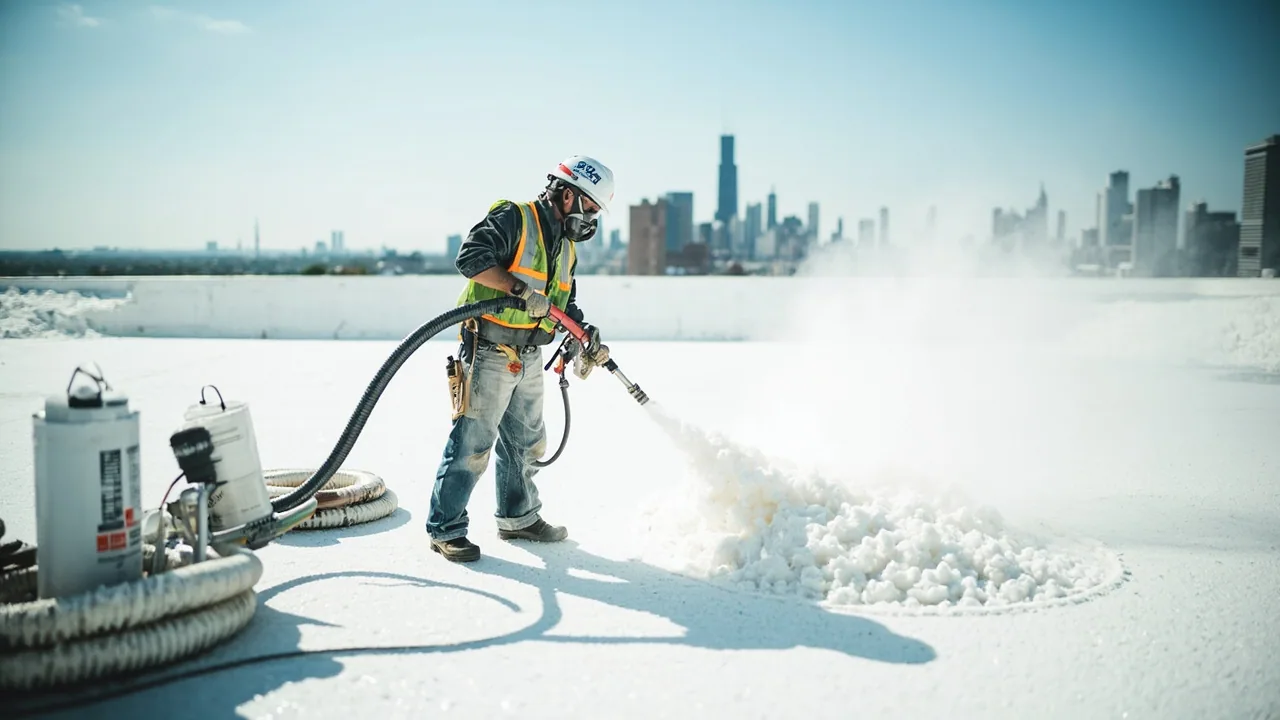
Gravel can become a hazard in high wind, and hail can fracture a flood coat. After a storm, we sweep stone back, photograph bare patches and check for fractures. Hot asphalt work needs dry weather, so we book repairs for the stretch between spring storm peaks and keep a fallback date.
Cold-process repairs are possible in mild weather. They use cold adhesives and fabric, and they avoid heat near intakes. They suit small patches and flashings. A larger repair may still need hot asphalt, and the plan names which applies.
Scope options: repair, restore, recover or tear-off
Local cracks and open laps take patches and new flashing. A sound roof with dry plies can take a restoration coating over a cleaned surface. A recover fits a sound deck under dry board, with a cover board between old and new. Wet plies or a damaged deck call for tear-off, which on BUR means disposal weight and time.
South Fulton's permit office says the 2024 IBC, with Georgia amendments, became the governing building code there on January 1, 2026. For energy, the 2015 IECC with Georgia amendments still governs. Hot-work rules apply to kettle and torch work, and the scope lists the permit and fire watch.
Cost drivers for BUR are the number of plies to remove, the surfacing, the insulation, the disposal weight and the access. Removal of old gravel adds labor. Wet plies add disposal. The scope lists each as its own line so the owner can compare a repair against a TPO replacement on the same terms.
Access and sequencing: weight, kettles and staging
Tear-off of a heavy BUR stack puts debris and weight on the staging route. Chutes, dumpsters and hoists need space. We confirm the route and the load limits before the date is set. A tear-off near the listed commercial district of Fairburn's downtown, around West Broad Street, needs dumpster and hoist positions settled before the date is set.
Kettle work puts hot asphalt and fumes near intakes. Intakes are covered and the kettle is placed downwind. For occupied buildings, cold-process options may fit. BUR shares ply logic with modified bitumen, and the two systems share a record format. When the job closes, the owner holds photographs, a plan marked with the repair boundary, the core results and product data.
Records matter on a layered roof. Each core is logged with its position and its date. Each patch is marked on the plan. A later owner can see how many times the roof has been opened and where. That history sets the future scope more accurately than any estimate of age.
Send the roof plans and the access window
How many plies does my BUR roof have?
A core sample answers it. We cut a small plug, count the plies, record the insulation and deck, and patch the hole the same day. We recommend two or three cores in different roof zones.
Is gravel loss a problem?
Yes, because the gravel protects the asphalt from sun and hail. Bare areas age faster. Sweep stone back, re-spread it and record bare areas for follow-up.
Can a BUR roof be recovered?
Yes, when the deck is sound and the plies and board are dry. Cores and a moisture survey decide it. A cover board goes between old and new.
What does a blister mean?
Trapped moisture or air between plies. An intact blister can be watched. A broken one needs a cut, a dry-out and a patch. Cut one open to see how wet the plies are.
Does hot work disrupt an occupied building?
It can, through fumes and heat. Intakes are covered, the kettle sits downwind and cold-process options are offered. Agree the plan with the building manager first.