
- Home
- South Fulton

Commercial Roofing in South Fulton, GA
Ninety-plus square miles of suburban and rural ground, threaded with commercial districts, make up South Fulton, GA. Retail strips, flex buildings, warehouses and offices all appear in its plans. Each one has a different roof problem. A general contractor needs to know which one before the lift arrives. We start every South Fulton job by naming the use, the roof zones and the mechanism that changes the sequence.
Building use: what the city's plans point to
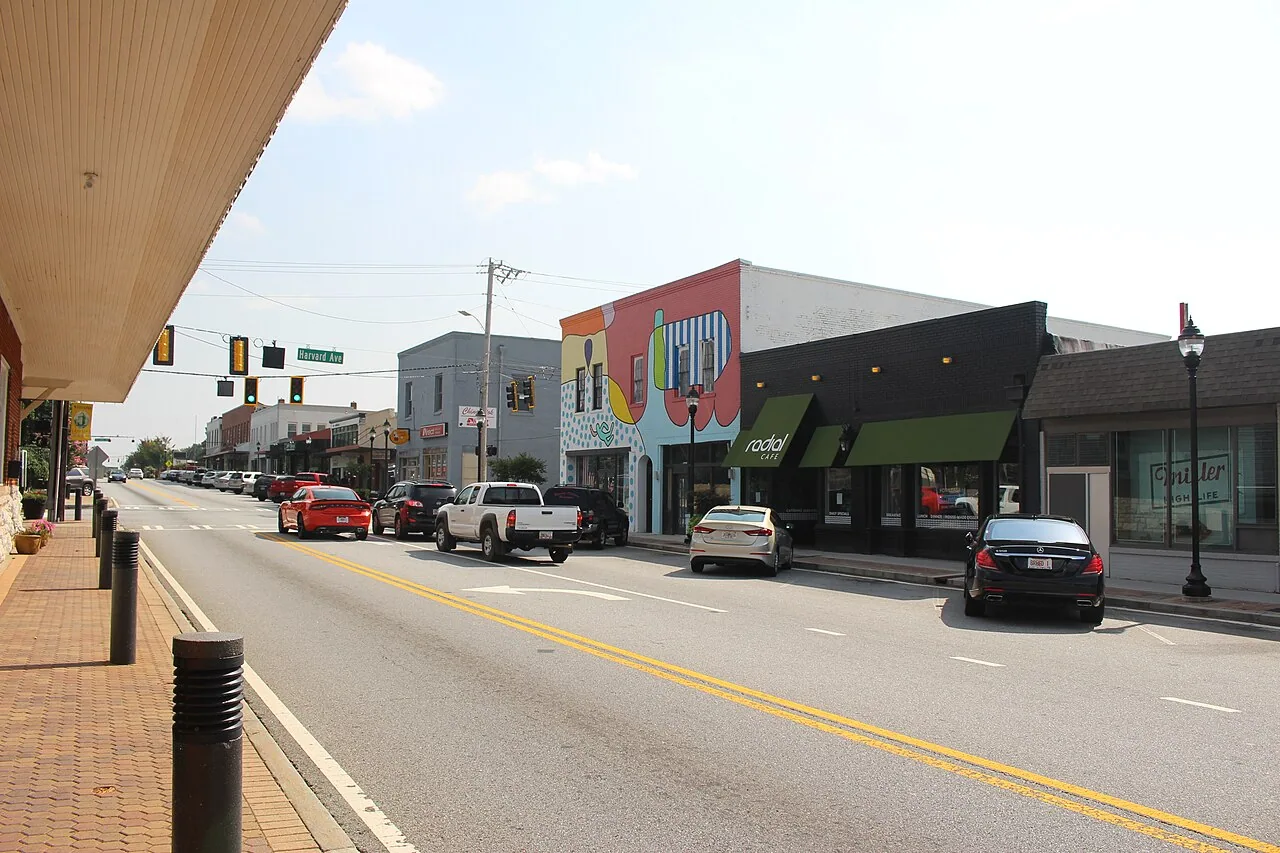
South Fulton calls Roosevelt Highway and Old National Highway established business districts. It names South Fulton Parkway as its largest commercial corridor. Parts of the Camp Creek industrial-commercial area sit inside its limits. The Fulton Industrial District lies next door.
A district name locates a building but says nothing about its deck. A strip center on Old National may carry a different system than a flex building off the Parkway. We read the roof as found. A test opening shows the layer stack. Photos fix the finding to a date.
Professional office corridors, flex space, mixed-use development and industrial parks all appear in the development authority's listings. Each type asks something different of a roof. Industrial roofs ask about dock schedules. Office roofs ask about tenant noise. Flex roofs ask about both.
Roof mechanism: heat, wind and water at the edges
A normal Atlanta summer holds about a week of days past 95 degrees, and the air stays damp through all of it. Heat softens some membranes and stresses seams. Damp air slows adhesive cure. Dry-in timing follows the dew point.
Wind presses at corners before the field. Damaging thunderstorm winds reach the Weather Service's Peachtree City warning area in every month, averaging 19 such days a year. Edge metal, corners and rooftop units take the first load.
Water follows the low path. A blocked drain turns a roof into a pond in one storm. We check the drain plane first. Then seams. Then flashings at curbs and walls.
Ponding adds weight and wets seams. A pond that outlasts the storm by two days is a finding. Mark its depth and its location. Compare it to the drain plane. Often the drain sits above the low point.
Inspection findings: what the first walk marks
The first walk is a mapping job. We divide the roof into zones. Field, edge, corners, curbs, drains and penetrations get separate notes. Each zone gets photos and a short finding.
Typical marks include open laps, cracked sealant, loose coping and clogged bowls. We note soft spots underfoot. We note stains on the underside of the deck where access allows. A moisture reading tests any suspect area.
Where layers are hidden, we cut a small test opening. It shows deck type, insulation and fastener line. The opening is sealed the same day. The result sets the wet boundary and the repair limit. Our infrared moisture survey maps wet insulation across larger roofs before any cut is made.
Edge metal gets a hands-on check. We press each length. We look for gaps, lifted cleats and loose fasteners. A loose edge in March is a lifted membrane in May. We mark it for a heavier cleat or added fasteners.
Timing: spring hail, tornado season and the storm record
Spring is the hail season. Hail large enough to matter reaches north and central Georgia for roughly seven days in a typical year, and April leads the count. It also lists tornadoes in every month, most often March through May. One of them, an EF-2 in March 2018, crossed between Fairburn and Campbellton inside South Fulton and damaged homes.
None of that proves damage to a particular commercial roof. It is a reason to inspect. After a storm we compare the roof to its last dated record. New dents, lifted edges and moved equipment stand out. A hail damage review samples the surface and reads moisture beneath marked areas. A tornado damage review adds debris impact and structural movement.
Scope options: repair, recover or replace by zone
Most roofs do not need one answer. A roof can have a sound field and failed details. We split the scope by zone. Each zone gets its own call.
Pick the lightest fix the evidence supports. A known leak path with dry insulation around it calls for repair. A tired surface over dry layers can take a recover. Wide wet zones or a damaged deck mean replacement. Price moves with area, wet insulation, penetration count, lift access and work hours, and the proposal shows each one.
A commercial roof repair often runs first, to stop water. The larger decision follows the moisture map.
Timing matters in this climate. Adhesives and sealants cure slowly in humid air. Welds need dry sheet. We schedule those steps for the dry part of the day. A forecast with afternoon storms moves the work to the morning.
Coatings enter the list when the membrane is sound. A reflective coat cuts heat load. It does not cure a wet roof. The moisture map decides whether a roof qualifies.
Code coordination: what the permit page says
South Fulton's permit office reports that the 2024 International Building Code, with its companion 2024 codes and Georgia amendments, took effect on January 1, 2026. The state's energy requirement is still the 2015 IECC with Georgia changes. A scope should name both. The GC should confirm the editions with the permit office before pricing.
Roof assemblies carry insulation, attachment and drainage rules. We list those items in the proposal. That keeps review questions short. It also avoids a change order after tear-off.
Some projects add rooftop equipment. Each unit needs a curb and a penetration plan. Those go on the drawing before the membrane goes down.
Send plans, loading limits and the access window
What should a GC send before a South Fulton roof bid?
Roof plans, loading limits, occupancy needs and the access window should come from the GC. We suggest adding the permit edition and any tenant noise limits. With those, we can set the sequence and the dry-in limit before pricing.
Does a hail report prove my roof is damaged?
No. A storm report places weather in the region and sends someone onto the roof. We recommend a dated pass within a few weeks of the event, with photos of impact marks and a moisture reading under any marked area.
Can a recover go over wet insulation?
No. It traps water against the deck. We recommend a moisture scan and test openings first. If wet zones are local, replace those and recover the dry remainder.
How do you protect tenants during repairs?
We map the space below each roof zone. Sensitive areas get dried in first. We recommend naming a contact who can pause the crew if a problem appears.
Which code edition applies to my roof?
The city put the 2024 IBC into effect on January 1, 2026, with Georgia amendments, while the state's energy code stays at the 2015 IECC. We recommend confirming both with the permit office before the scope is fixed.
What does a close-in point mean for a GC?
It is the stage at which a roof area is sealed against weather. We recommend one per day, set before the crew starts. That keeps interior trades working beneath a dry deck.