
- Home
- EPDM Roofing
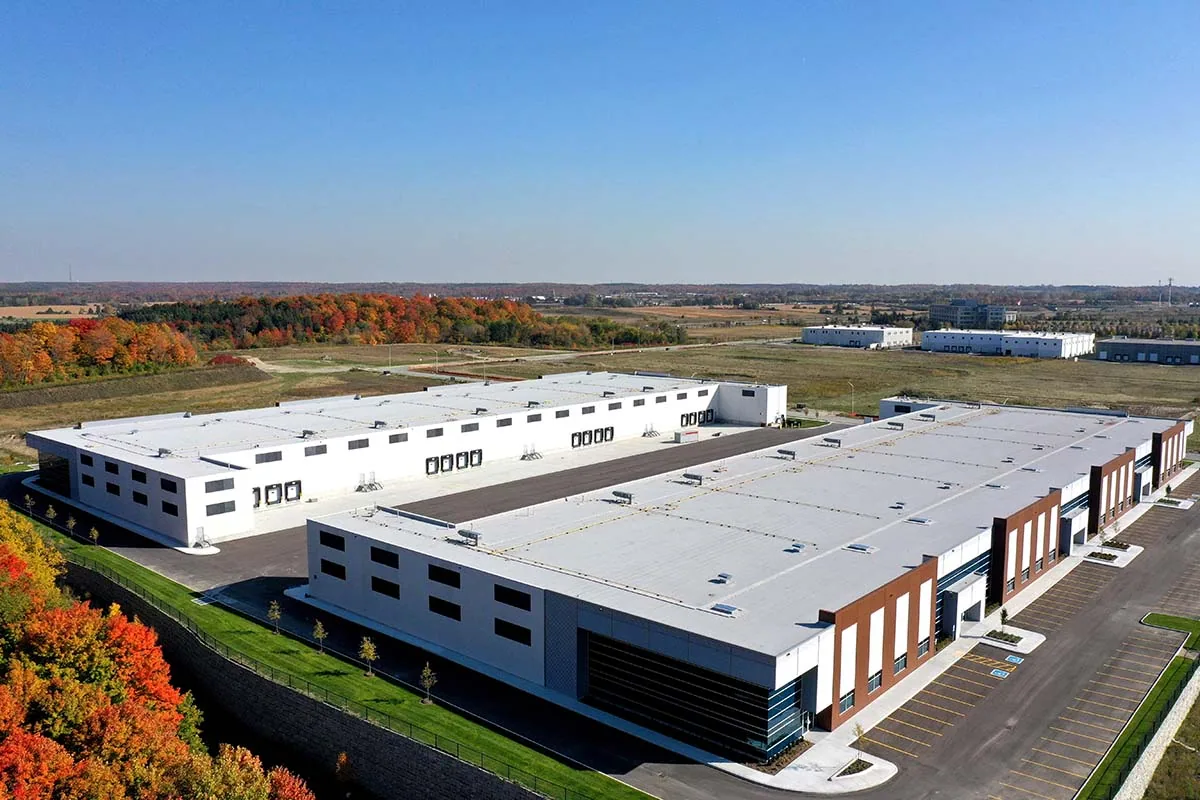
EPDM Roofing in South Fulton, GA
EPDM turns up over big-box stores, warehouses and schools. The use of the building decides foot traffic, and position on the roof decides drainage. The rubber sheet changes the sequence, because its seams are taped or bonded and its flashings are often hand-built. The first walk follows that logic. We look at seams, then flashing, then the attachment, and we record each by zone.
EPDM is a synthetic rubber membrane, usually black, sold in wide sheets. It stays flexible in cold and shrugs off sun for years. It does not weld. Seams rely on tape or adhesive, so the bond is the weak point. Black also absorbs heat. In a long hot summer, the surface runs well above the air temperature, and the bond works hard.
The largest commercial corridor in town is South Fulton Parkway, while Roosevelt and Old National highways hold the established business districts. A building's address fits it into that map and says nothing of its roof assembly. A big store on the parkway and a small shop on Old National may both carry EPDM, with very different layer stacks.
Roof mechanism: where EPDM wears
Four things wear an EPDM roof. Seam tape lets go at the edges. Flashings built from uncured rubber crack and pull away. The sheet shrinks and tugs on walls and curbs. Foot traffic and debris puncture the surface. Each leaves a mark we can find with a probe and a camera. Seam edges lift. Flashings gap. Punctures show as dark spots with debris.
Black membrane in a Georgia summer runs well above air temperature. NOAA notes long, humid summers, and Atlanta alone counts about seven days a year over 95 degrees. We read the sheet itself for heat aging, because the surface shows what the weather table cannot.
Flashing deserves a second look. Many EPDM flashings are field-built from uncured rubber, which stays soft and creeps. Over years it can slide down a wall and open at the top. We press along the top edge, check the termination bar and measure the height above the membrane. Replacing uncured flashing with a reinforced type is a common repair when the old one has crept.
Attachment: ballasted, adhered or fastened
EPDM goes down three ways. A ballasted roof is held by stone or pavers. An adhered roof is bonded to the substrate. A fastened roof is held by plates and screws. The failure differs. Ballast moves in wind and leaves bare patches. Adhesive lets go and leaves blisters or flaps. Plates pull through and leave ripples.
In NWS counts, damaging thunderstorm winds reach the Peachtree City warning area every month, about 19 days a year. Large hail is most common in April across north and central Georgia. After a strong storm, we check ballast distribution, edge metal and the first fastener rows. Those are the details that fail before the field does.
Pavers over an EPDM sheet protect it from traffic, but they hide the surface. Lifting a few pavers at test points shows the sheet's condition. We record each test point and put the pavers back in the same pattern. Ballast stone is raked back to even depth after a check, and edges get the heaviest cover.
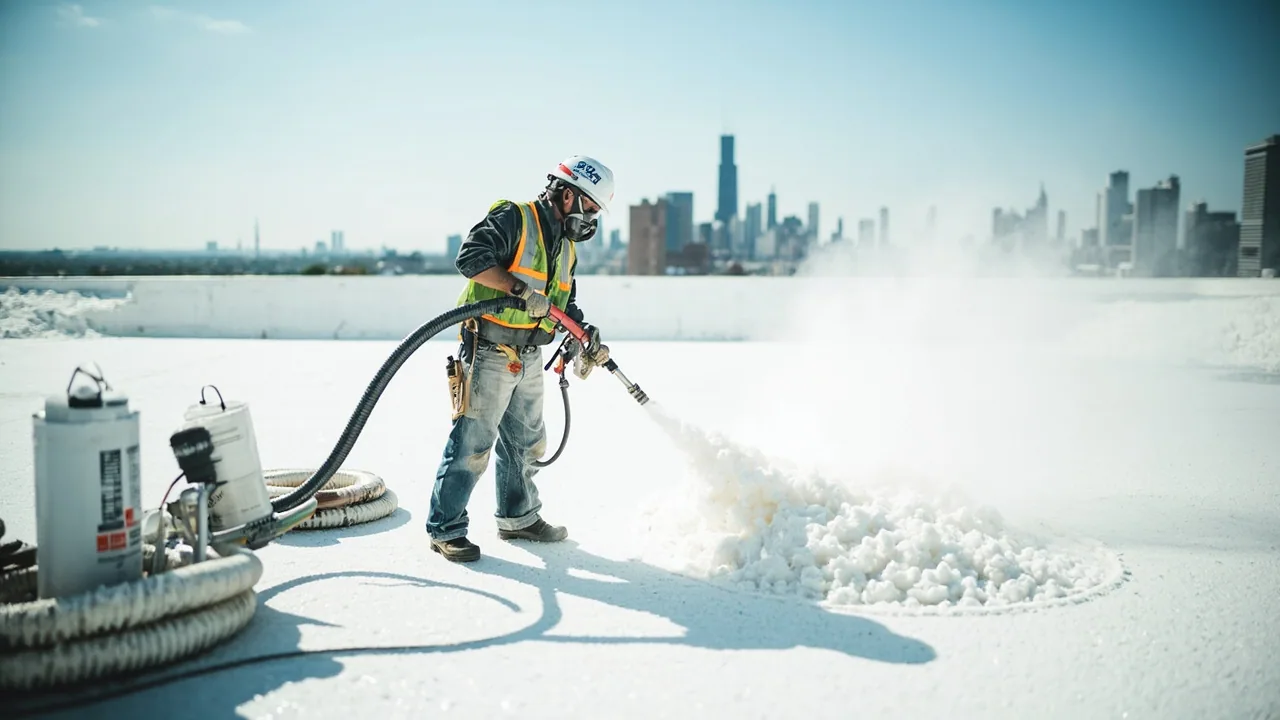
Inspection findings: seams, flashing and drains
The pass starts at the drain plane. We clear strainers, check bowls and run water into the drain. Then we probe seams. Then flashing. Then curbs and penetrations. Every finding goes onto the roof plan with a position and a photograph. We measure open seams in feet and flashing gaps in inches.
If a stain cannot be traced from the surface, we test. An infrared moisture survey maps wet insulation, and a test opening confirms it. That wet boundary is then drawn into the repair boundary. A wet roof with a sound deck can still take a recover, once the wet board is removed.
Rooftop units are counted by zone. Every curb is a seam in the sheet. A unit that shifted leaves a pinched flashing and a track of water along the deck. We note the curb height and the condition of the base flashing for each. Condensate lines that discharge onto the sheet are redirected, since standing drips leave stains and breed algae.
Scope options: repair, recover or replace
Repair fits seam lifts, small punctures and failed flashings on a dry roof. We clean the rubber, prime it and apply new tape or patch. A recover fits a sound deck with dry insulation, and the new layer goes over a cover board. A tear-off fits wet insulation or a sheet that no longer takes a bond.
Old EPDM that has weathered can be hard to bond to. A cleaning pass and a primer test show whether a patch will hold. If it will not, the scope moves to larger cut-outs. Permits in South Fulton now follow the 2024 IBC with Georgia amendments, in effect since January 1, 2026, while the energy side still rests on the 2015 IECC as amended in Georgia.
Cost follows area, layers, insulation depth and penetrations. Hand-built flashings cost more than field seams. Wet board adds removal and replacement. Each driver is its own line in the scope, so the owner sees what moves the number.
Access and sequencing: stores and campuses
Stores and schools run on public hours. Noise, dust and lifts have to fit around them. We stage near the loading area when possible. We close each roof zone before the day ends. Along the Old National Highway corridor, where the Old National Merchants Association counts about 500 establishments, the staging plan is agreed with the property manager first.
Spring storms and afternoon heat shape the work window. Adhesives want a dry sheet and moderate temperatures. We start early, avoid midday surface heat and keep a fallback date. The schedule pairs each phase with a dry-in limit and a close-in point.
I-85, I-285 and SR 138 give delivery trucks highway access, according to the development authority, yet a lift still needs room on the lot itself. We confirm the lift position and the delivery window before the crew arrives.
Related work and records
EPDM sits beside TPO and modified bitumen as a common low-slope choice. Seam length drives the probe time on a big box retail roof or a school roof. At closeout the owner holds dated photographs, test results, product data and a roof plan with the repaired zones drawn in.
Send the roof plans and the access window
Why does EPDM seam tape fail?
Heat, dirt and age weaken the bond, and movement at the edges peels it. Clean the area, prime it and apply new tape rated for the sheet. We recommend probing every seam along sun-facing slopes first.
Should an EPDM roof be coated?
Only if the sheet is sound, the seams are tight and the insulation is dry. A coating over open seams hides the problem. Test first, then decide.
Is ballast a problem in a windstorm?
It can be. Stone moves and leaves bare membrane. After a strong wind, map the bare patches and re-spread or add ballast. Edge zones need the heaviest cover.
What does shrinkage look like?
The sheet tugs on flashings and leaves gaps at walls and curbs. Measure the gap at several points. If it grows, the roof is moving toward failure and the scope should say so.
How do I plan EPDM work around store hours?
Stage by roof zone, keep lifts away from customer entrances and finish noisy steps early. We recommend writing the dry-in limit into the schedule so no section is left open.