
Roof Systems
- Home
- Roof Systems
- Roof Systems
Roof Systems in South Fulton, GA
A roof system is a stack of layers, and the stack has to suit the deck beneath it. A steel deck under a distribution building asks different things of a membrane than a concrete deck over an office wing. We install and repair single-ply, asphalt-based, metal, foam, and liquid-applied systems on low-slope and metal roofs. South Fulton, GA tests all of them with long humid summers and thunderstorm winds that can show up in any month.
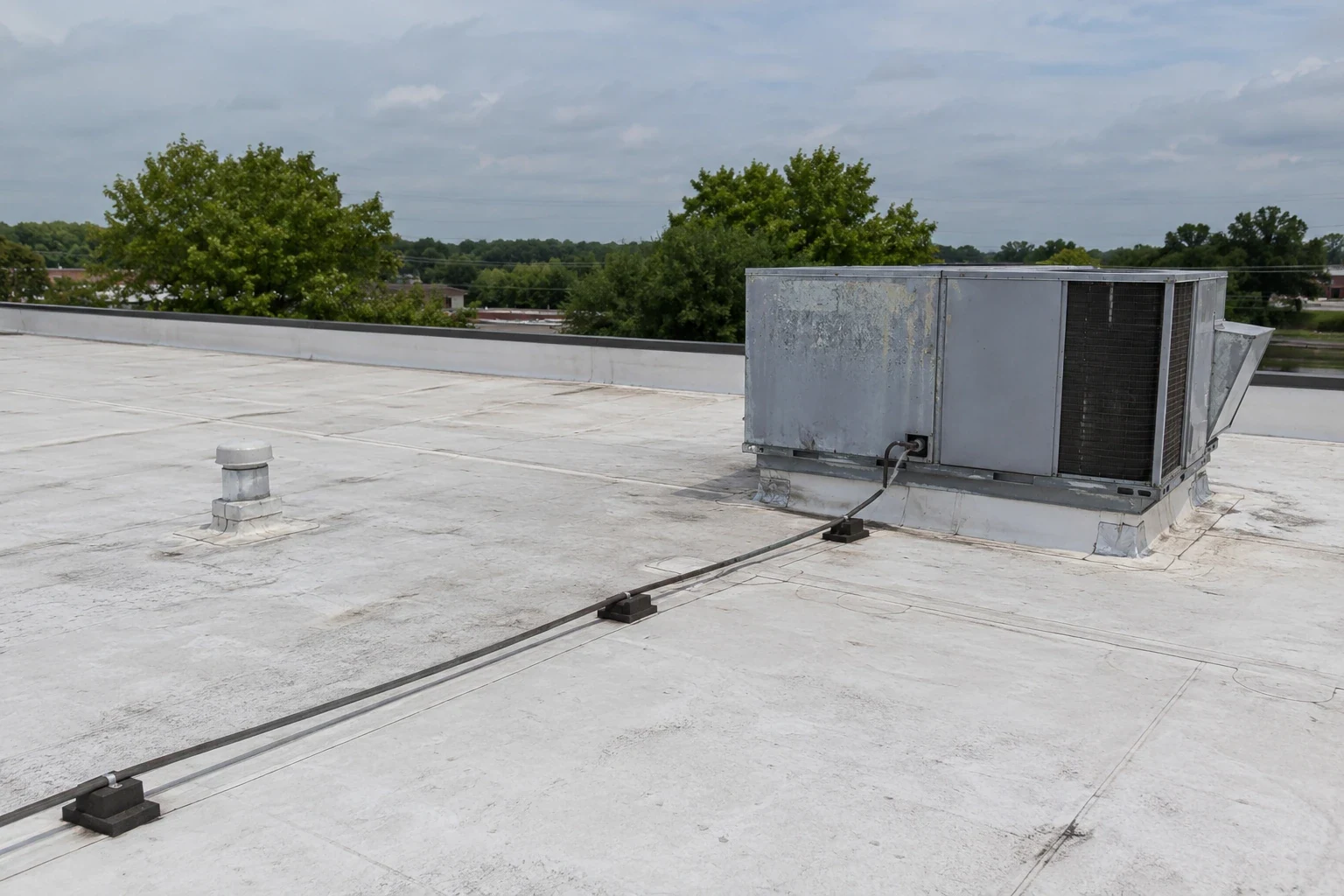
TPO Roofing
TPO single-ply roofing for South Fulton, GA commercial buildings: weld inspection, attachment checks, repair, recover and replacement for hot humid summers.
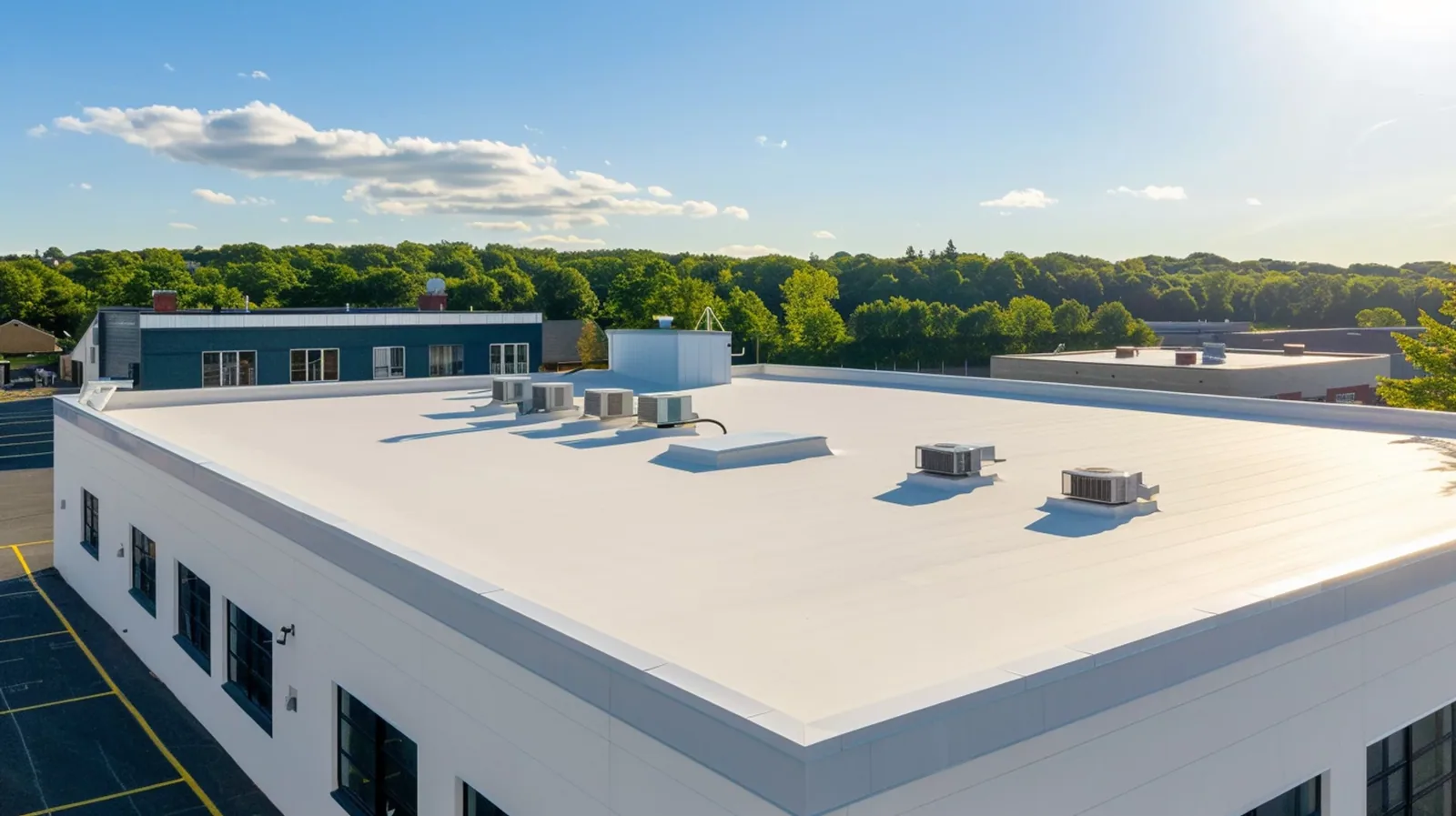
PVC Roofing
PVC single-ply roofing for South Fulton, GA plants, food operations and flex buildings: weld checks, chemical exposure, repair, recover and replacement.
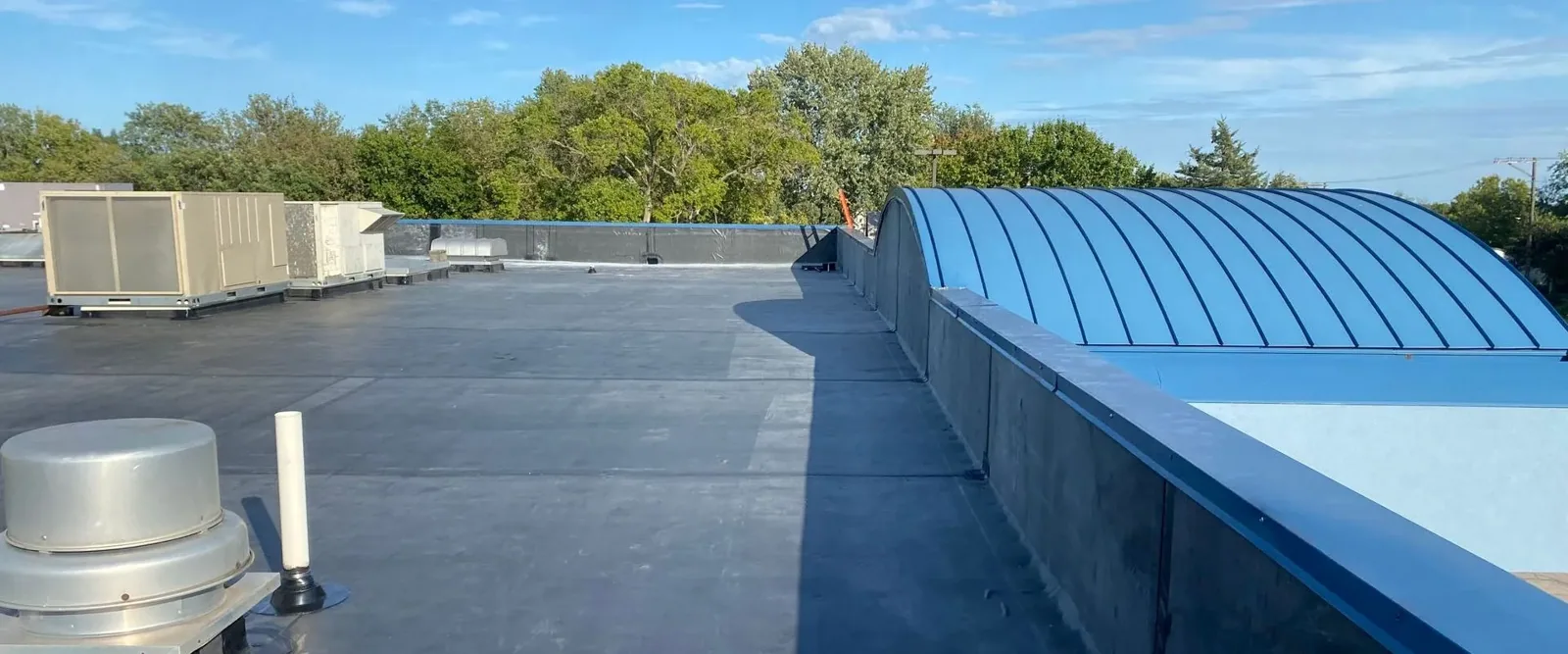
EPDM Roofing
EPDM rubber roofing for South Fulton, GA commercial buildings: seam and flashing checks, ballast and adhesive review, repair, recover and replacement.
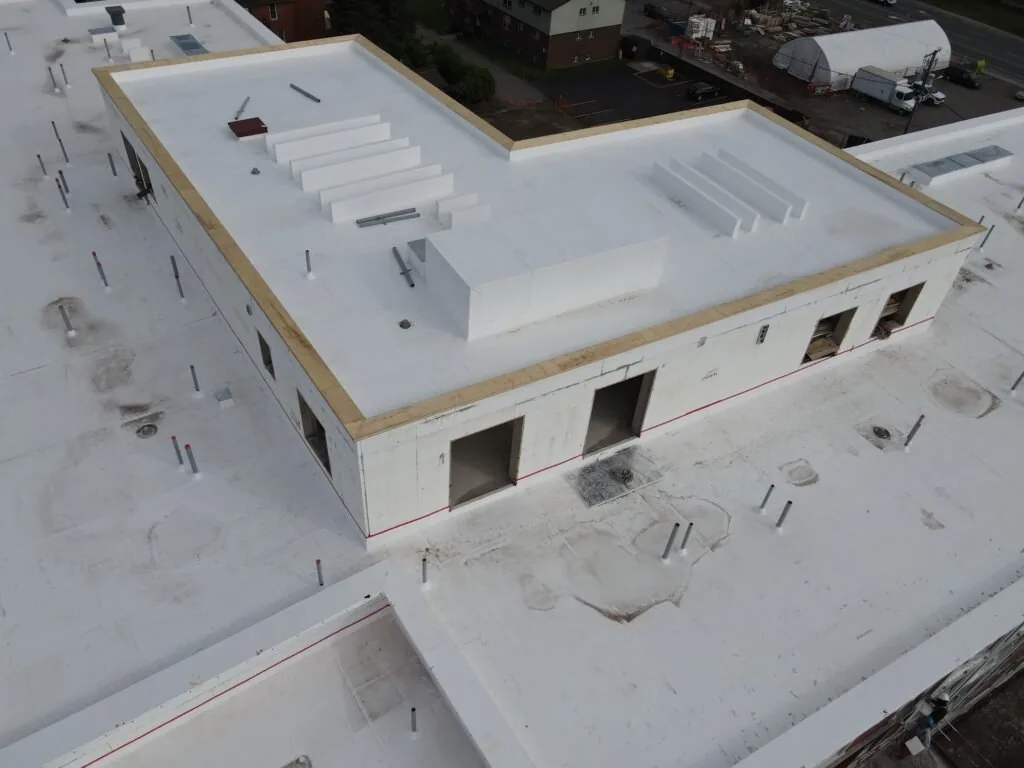
KEE Roofing
KEE and PVC-alloy roofing for South Fulton, GA plants and kitchens: exposure mapping, weld probes, repair, recover and replacement for harsh roof environments.
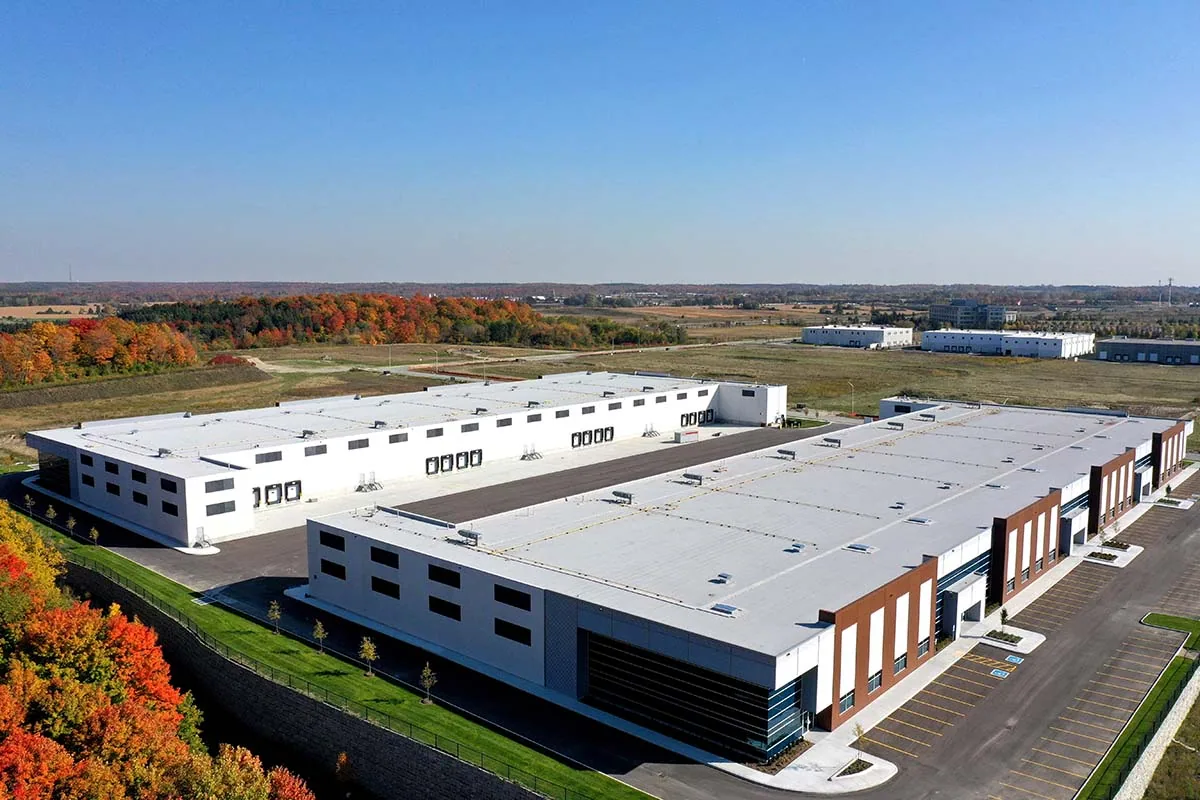
Modified Bitumen Roofing
SBS and APP modified bitumen roofing for South Fulton, GA buildings: lap and granule checks, blister review, torch-free options and replacement.
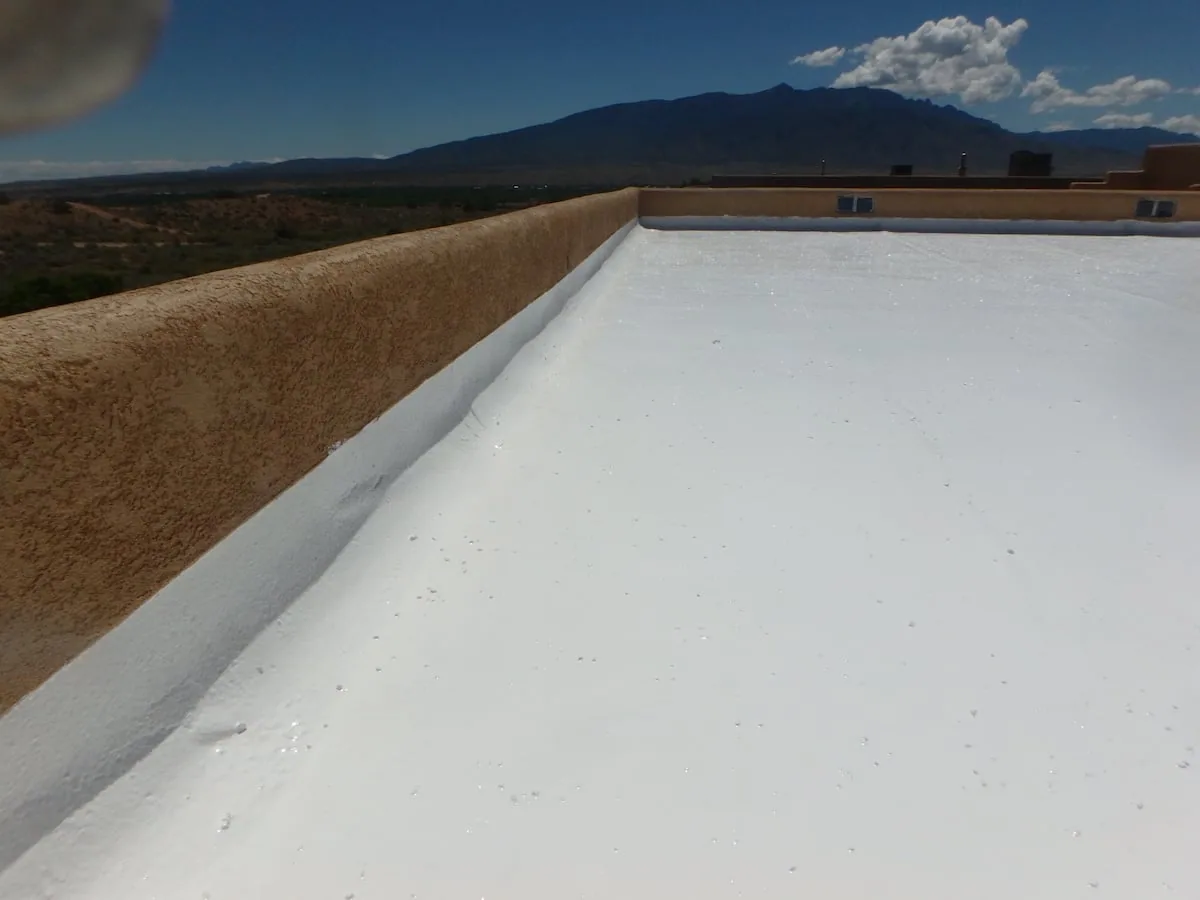
Built-Up Roofing
Built-up (BUR) roof repair, recover and replacement in South Fulton, GA: ply and surfacing checks, blister and slippage review, core samples and hot-work plans.
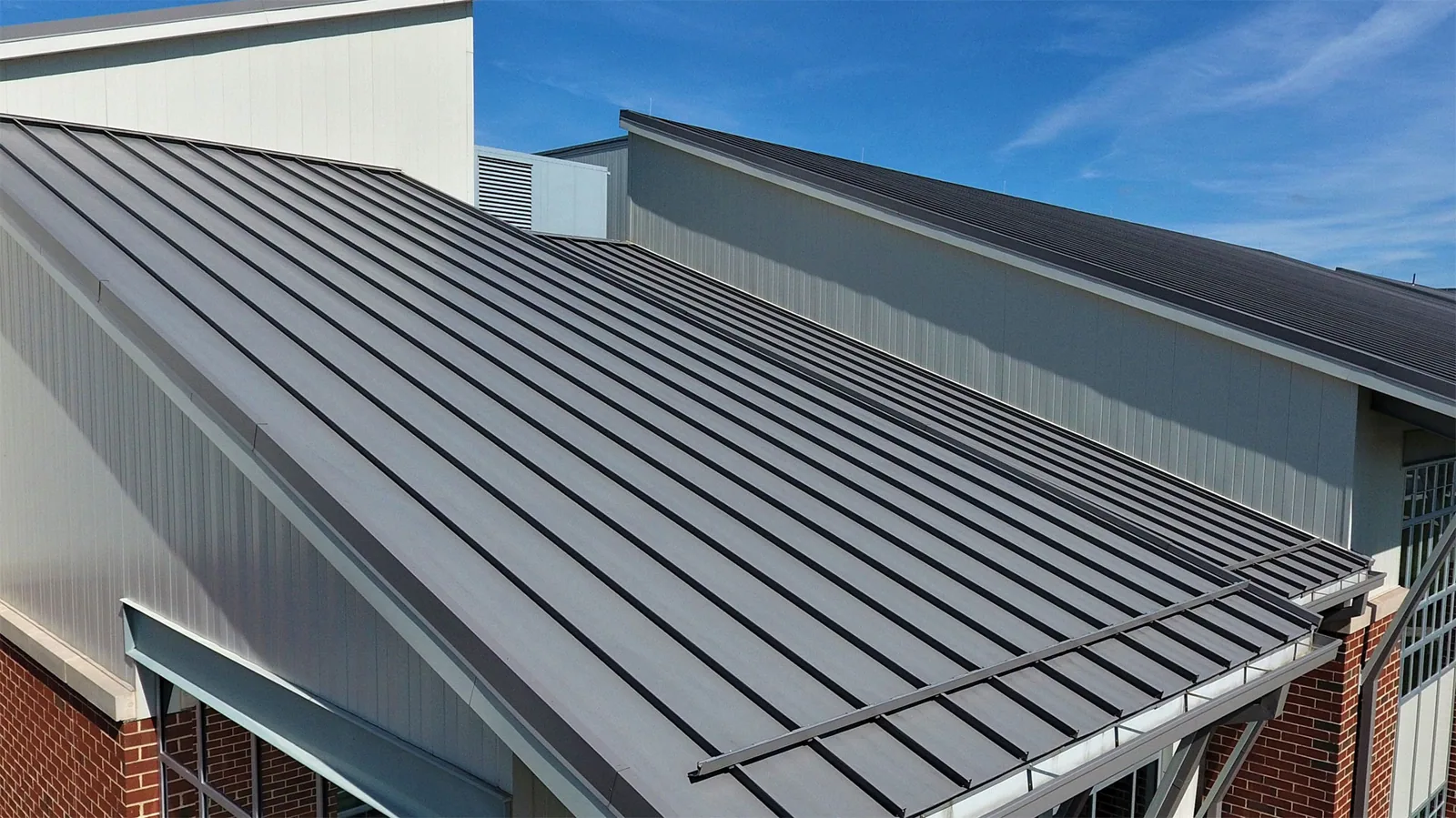
Standing Seam Metal Roofing
Standing seam metal roof inspection, repair and restoration in South Fulton, GA: clip and seam checks, thermal movement, hail dents, penetrations and wind.
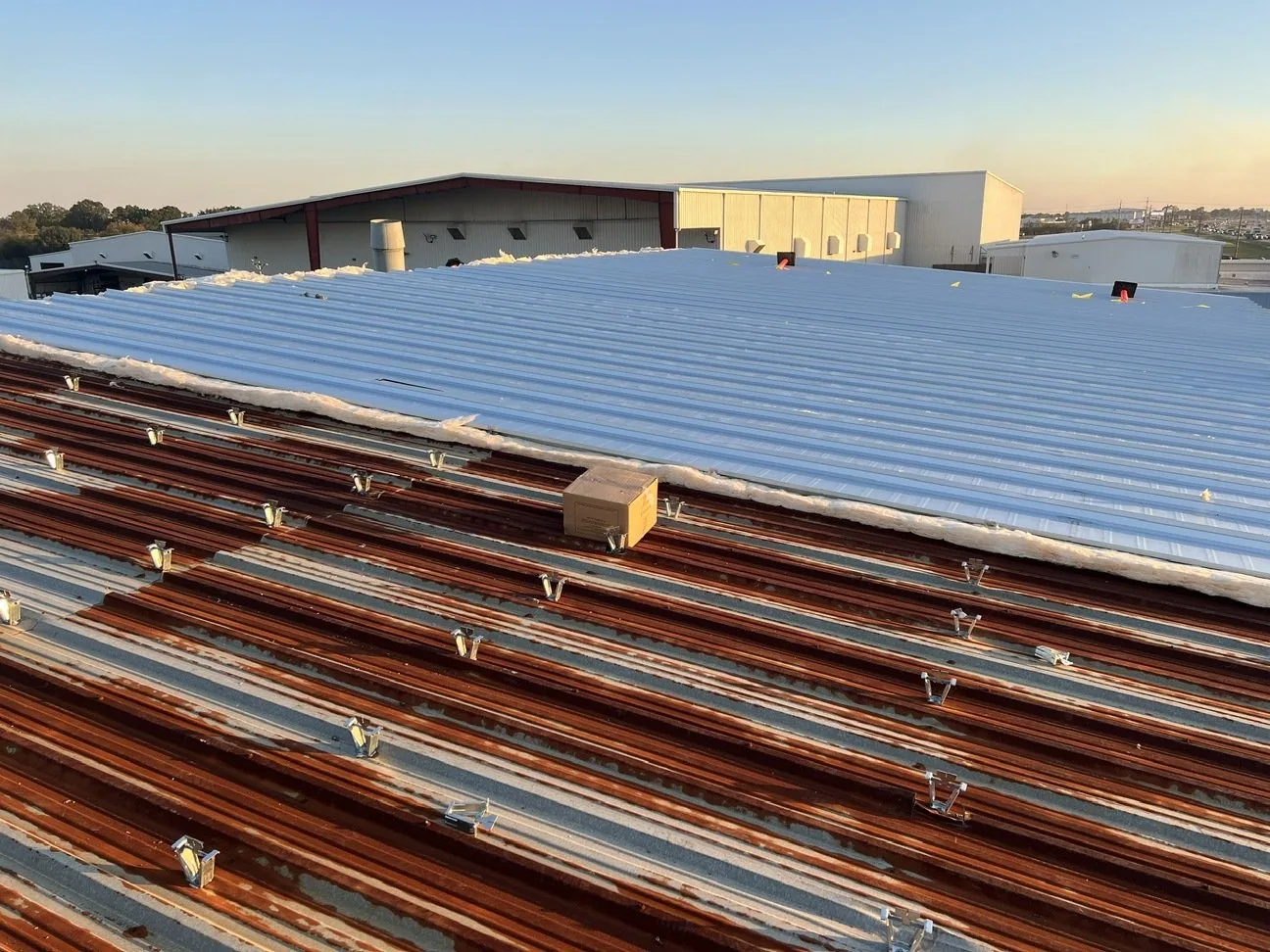
Metal Roof Retrofit and Restoration
Exposed-fastener metal roof retrofit and restoration in South Fulton, GA: fastener and lap repair, coating, retrofit framing and condensation checks.
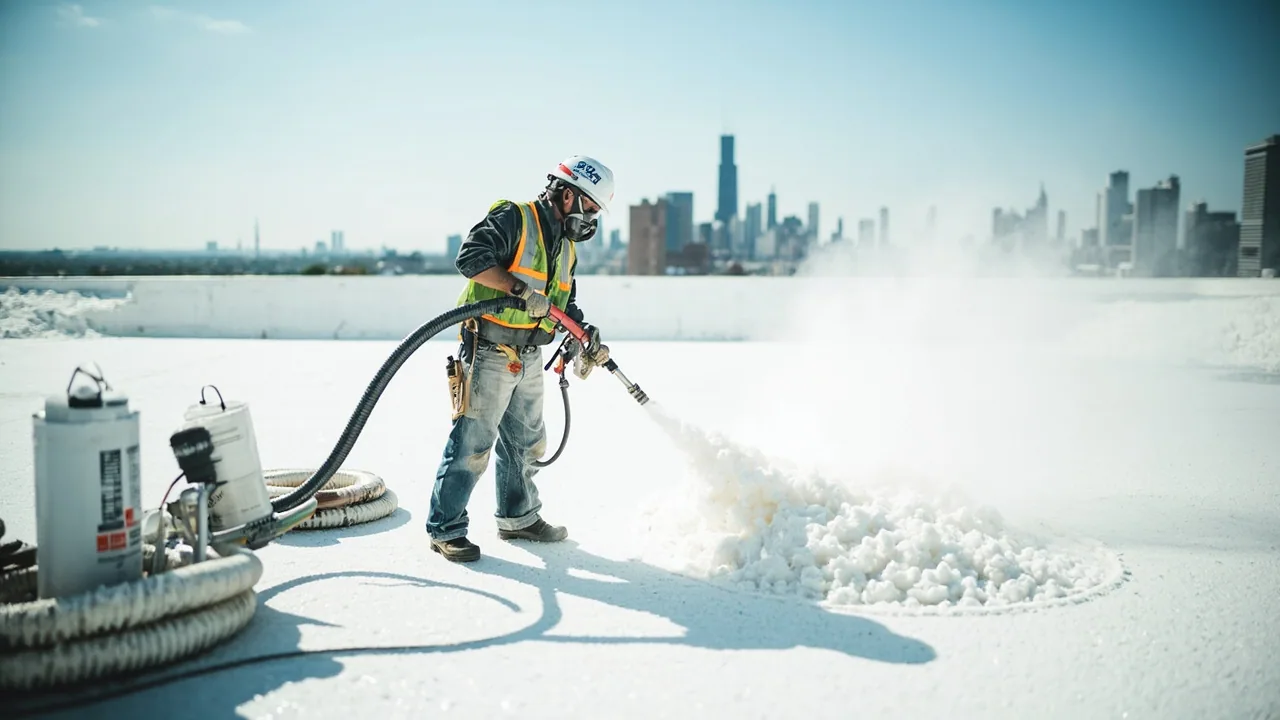
Spray Polyurethane Foam Roofing
Spray polyurethane foam (SPF) roofing in South Fulton, GA: foam and coating inspection, application conditions, hail and traffic damage, and recoating.
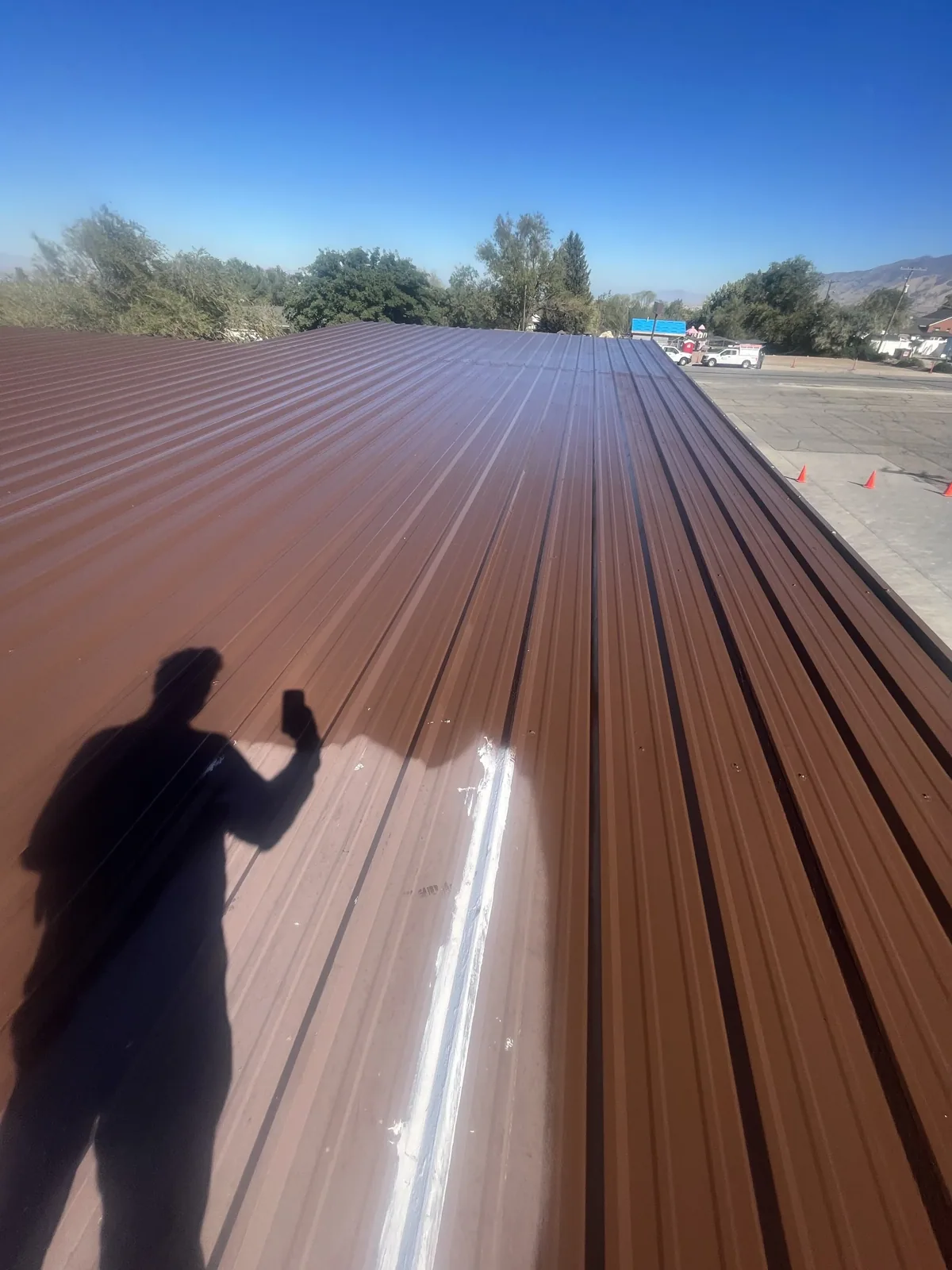
Silicone Roof Coatings
Silicone roof coating systems for South Fulton, GA commercial roofs: substrate prep, ponding tolerance, adhesion testing, seams, thickness and recoating.
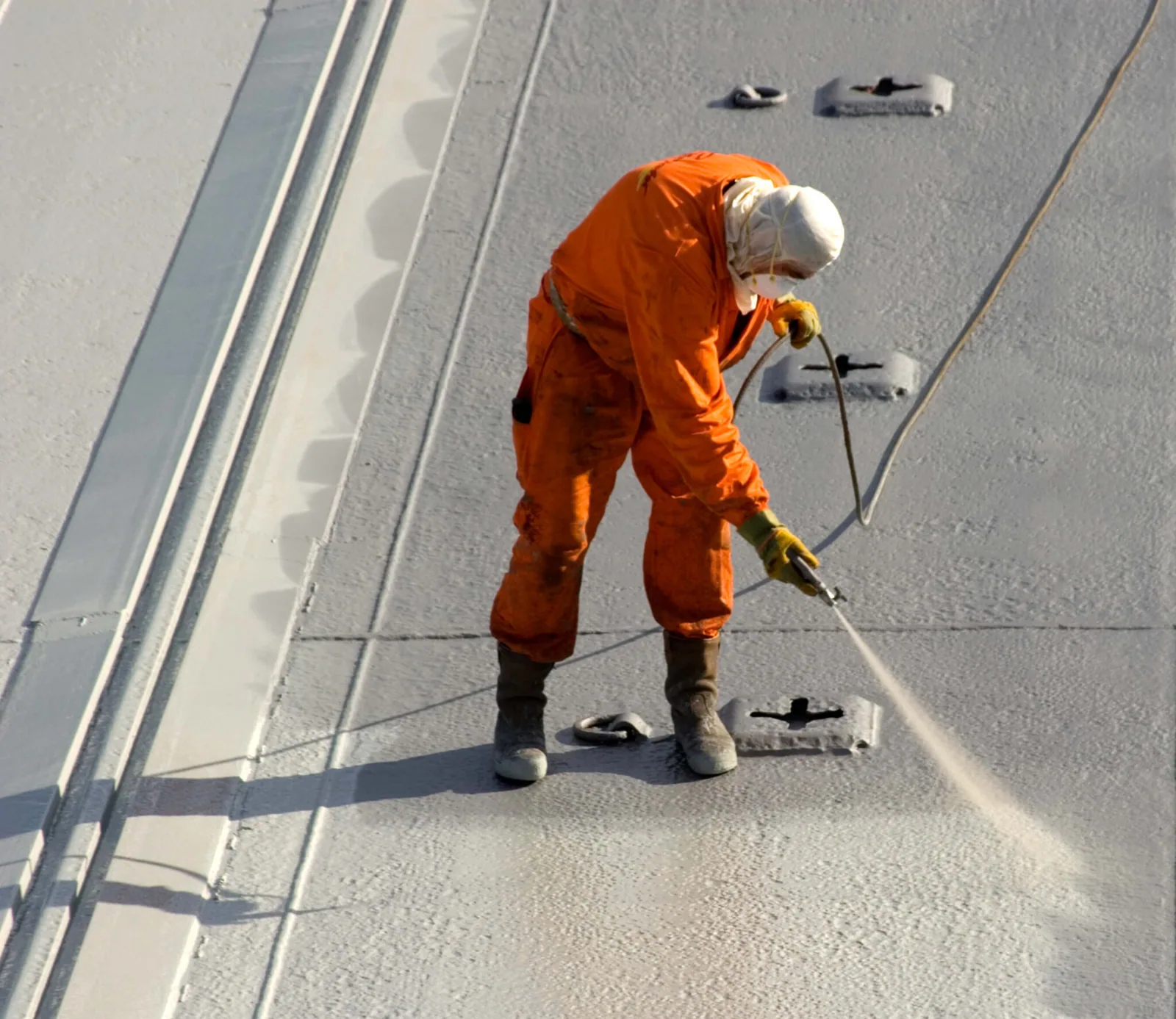
Acrylic Roof Coatings
Acrylic roof coating systems for South Fulton, GA commercial roofs: drainage checks, mildew control, cure windows, thickness and recoat planning.
Single-ply: sheets welded or adhered to the deck
White TPO roofing is a common choice on large warehouse and flex roofs because heat-welded seams shed water and the surface reflects sun. PVC roofing carries the same welded seam and resists grease and chemical exhaust, which matters over restaurants and food-production space. EPDM roofing is a rubber sheet that handles movement well. KEE roofing is a PVC-based sheet with a ketone ester ingredient that resists plasticizer loss on roofs exposed to rooftop contaminants. The seam is where each one is judged, so each gets a probe test after install.
Asphalt-based: layers built for redundancy
Modified bitumen roofing and built-up roofing lay several plies over the deck. Foot traffic around mechanical equipment is where those layers earn their keep. A rooftop with frequent service visits to units and curbs takes less punishment from a thick, multi-ply surface. Hot, humid weather affects the install window, so we watch surface temperature and moisture before each pour or torch pass.
Metal and foam: shedding water by slope and by bond
Standing seam metal roofing uses raised seams to move water off sloped roofs, and clips let panels shift with temperature. A metal roof retrofit frames over an existing roof when removal would disrupt the building. Spray polyurethane foam roofing bonds directly to the deck and builds slope with the foam itself. Each of these asks for a clean look at the existing deck profile and fastener line first.
Coatings: restoring a roof that still has life
A sound roof with a worn surface may not need replacement. Silicone roof coatings handle ponded water well. Acrylic roof coatings suit roofs that drain freely and need reflective protection from summer sun. Both depend on a dry, clean substrate. A moisture scan before coating keeps wet insulation from being sealed in.
Bring the deck type and the problem
Which system holds up best on a large flat distribution roof?
The deck and the drainage pattern pick the system. A fully adhered or mechanically attached white single-ply covers wide fields at a workable pace, and a ponding-prone roof may point toward a coating that tolerates standing water. We compare the layer stack on site before recommending one.
Does storm wind change which membrane I should install?
It changes the attachment. Corners and perimeters see the highest uplift, so the fastener line there gets tighter spacing or a stronger bond. Thunderstorm winds in this region can arrive in any month, which is why edge metal and perimeter detail get as much attention as the field.
Can a new system go over the old one in the Fulton Industrial District?
In the Fulton Industrial District or anywhere else, only where the old insulation tests dry and the deck is sound. Keeping the old layers cuts tear-off time and haul-away. Wet insulation or a rusted deck turns that into a full replacement.
What does a coating cost compared with replacement?
A coating costs less because it keeps the existing substrate, but it only works on a roof that tests dry. Pricing depends on surface prep, seam and flashing repairs, and the square footage of each roof zone. A written scope shows the line items.