- Home
- KEE Roofing
KEE Roofing in South Fulton, GA
Some roofs sit under a kitchen exhaust, a fryer line or a process vent. The building use is the first fact. The roof zone downwind of the outlet is the second. The mechanism that changes the sequence is contact: oils, fats and vapors settle on the sheet and work into it. KEE, a PVC-alloy membrane, is made for that exposure. Our first walk maps what the outlets discharge and where it lands.
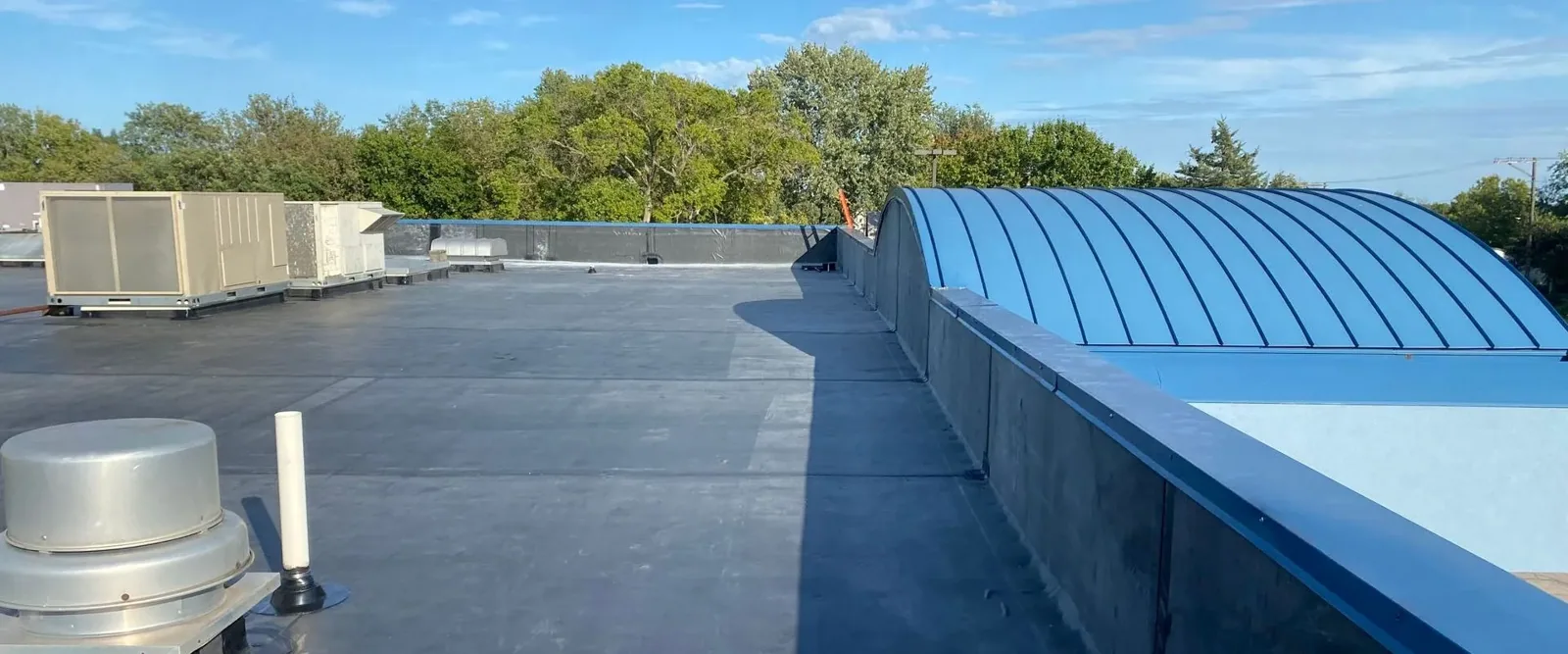
KEE membranes are thermoplastic sheets with a polymer alloy that holds the plasticizer in place. That helps the sheet stay flexible when it sees grease, heat or chemicals. Seams are hot-air welded, like PVC. The weld is still the weak point, and the surface near outlets still needs cleaning. We probe the welds, check the flashing and record the condition by zone.
The first photographs show the whole roof zone, then the outlets, then the sheet downwind of each. A date and a scale go in every frame. That sequence lets a later visit show whether staining has spread, whether a flashing has softened and whether a repair has held. The record is built to be repeated.
Roof mechanism: what lands on the sheet
Exhaust leaves a film. Over weeks, grease collects in low spots and under fan housings. Some of it runs to drains and fouls the strainers. Heat from outlets softens the surface near the discharge. We look for staining, tackiness and discoloration, and we compare the sheet near the outlet with the field.
The development authority names large-scale food production among South Fulton's existing strengths. A food-production roof meets process exhaust and kitchen discharge, which is the exposure KEE is made for. The sheet itself, read zone by zone, tells us what is installed.
Condensate and wash water add a second source. Washdown water that leaves a stack can drip onto the sheet and carry grease along a seam. We trace staining uphill to its source before choosing a repair, since a patch placed under a drip will fail again.
Heat, wind and storm peaks
NOAA puts Georgia summers at long, hot and humid, with Atlanta clearing 95 degrees Fahrenheit on about seven days. A dark stain near a hot outlet holds even more heat. Wind and hail drive the storm calendar: damaging thunderstorm winds hit the NWS warning area monthly, about 19 days a year, and large hail comes on roughly seven days a year, mostly in April.
These numbers set the calendar. Welds and flashings are checked before the spring peak. Edge metal and fasteners are checked after any strong storm. After a storm we photograph the roof and record what the sheet shows.
Heat from outlets also stresses edge metal and counterflashing near them. Metal expands, sealant cracks and water finds the gap. We check these parts at every stack and list them in the scope by position. A termination that holds in January can open in July.
Inspection findings: welds, flashing and drains
The pass starts at the drains. Grease-fouled strainers are cleaned and the drain line is tested. Then we probe the welds on a close grid. Then flashings, curbs and stacks. A pull test on pipe boots shows which are cracked or loose. All findings go on the roof plan.
A drain or scupper that fills with grease ponds water on the roof, and ponding on a KEE sheet is a maintenance item, not a defect of the sheet. We clear it and record how fast it refills. If it refills fast, we add a cleaning visit to the maintenance plan.
Fans and hoods are counted, and each curb is checked for movement. A fan that vibrates loosens its curb fasteners over time. We tighten what we can and record what needs a trade. The roof plan lists every unit with a condition note, so a manager can see which ones need service before the next season.
Scope options: clean, repair, recover or replace
Cleaning comes first. A surface film can be removed and the sheet checked beneath it. Local faults take weld repair and patches. Where the deck is sound and the board tests dry, a recover is possible. Wet insulation or a hardened sheet moves the scope to tear-off. A test opening and an infrared survey decide.
South Fulton's permit page dates the 2024 IBC with Georgia amendments to January 1, 2026. Energy review still runs on the 2015 IECC, supplemented by the state. A replacement that changes insulation is checked against both.
Cost follows area, exposure, insulation depth, penetrations and access. A roof with many outlets takes more flashing labor. A roof with grease build-up takes cleaning. Each driver appears as a line in the scope.
Aging shows differently on an alloy sheet. Early signs are loss of gloss, fine surface crazing and a slight stiffening at the edges. A fold test on a small cut sample shows flexibility. If the sheet cracks at the fold, welds will not take, and the repair moves to larger cut-outs from fresh material. We record the test and its result.
Access and sequencing: kitchens and plants
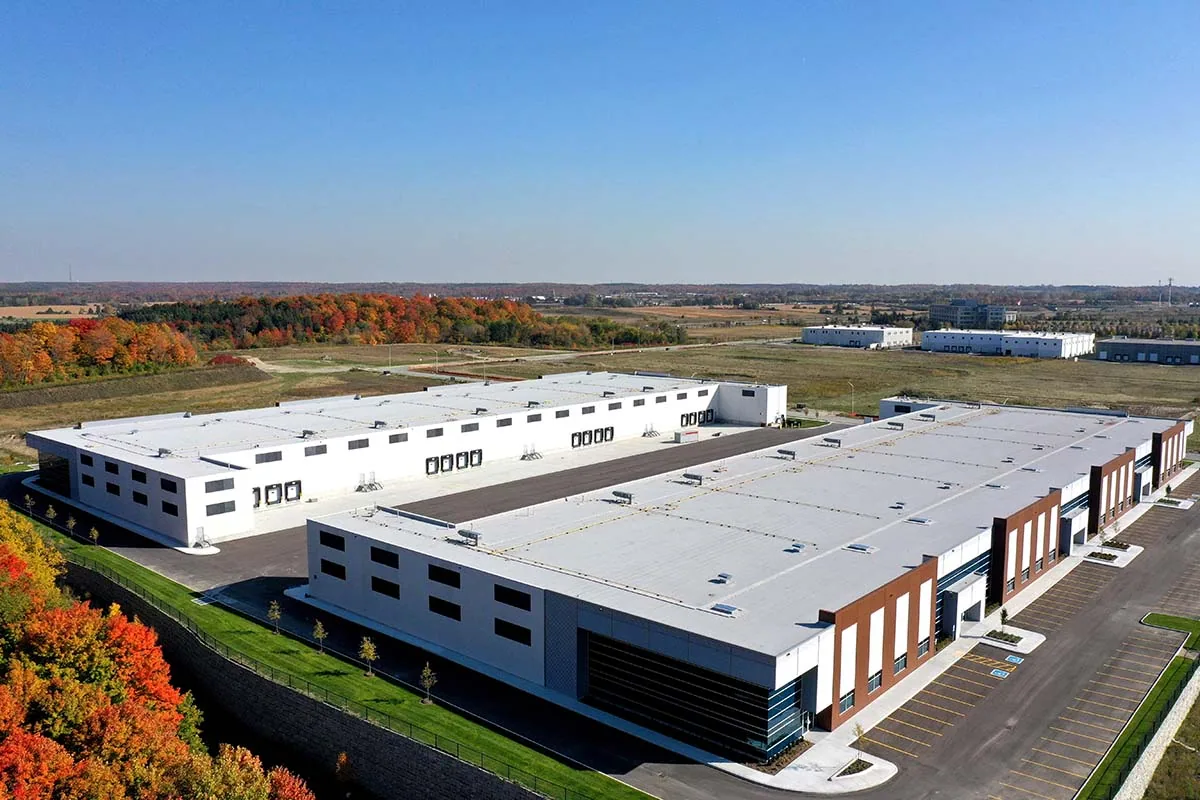
A kitchen cannot stop for a roof. Hoods and fans stay on. We sequence work upwind of intakes, protect air handlers with covers and agree the hours with the manager. Where the roof sits over a dining room, noisy steps move to closed hours. A plant on the Camp Creek industrial-commercial area may run around the clock, so work moves by roof zone with a dry-in limit set each day.
Roofs in this family are cousins of PVC and TPO systems, and the same welds and flashings apply. A manufacturing plant roof records its exposure notes on the first page. At closeout the owner gets photographs, the plan with the repair boundary drawn in, test results and product data.
Next door, the Fulton Industrial District is called one of the Southeast's largest industrial and business areas by the city. Owners with sites there and in South Fulton can use one record format across the group.
Wet weather shapes the calendar. Welds need a dry sheet, and spring storms can close a window within hours. We set the dry-in limit each day and keep a temporary cover on the truck. Tornadoes occur in all months in the NWS area, with most in March, April and May, so spring work carries a fallback date and a plan for fast closure.
Send the roof plans and the access window
What makes KEE different from standard PVC?
It adds a polymer alloy that helps hold plasticizer in the sheet, which helps it stay flexible around grease and heat. The welds and flashing details are still the same weak points. We recommend probing welds near outlets first.
How do I find out if my roof is KEE?
Read the surface, the seam pattern and any paperwork. A small cut sample sent to the right test confirms the material. Do this before any patch material is chosen.
Can grease be cleaned off safely?
Yes, with the right cleaner and low pressure. The cleaner has to suit the sheet, and the runoff must be kept out of the drain line. Clean in a dry spell and record the before and after.
What happens if exhaust is moved?
Old penetrations are closed with welded patches, and the new outlet gets its own flashing. Photograph both. The record should show the old and new positions.
Do I need to stop the kitchen during repairs?
Usually not. Work upwind of intakes, cover air handlers and keep hours that suit service. We recommend agreeing the schedule with the manager before the crew arrives.