
- Home
- Office Building Roofing
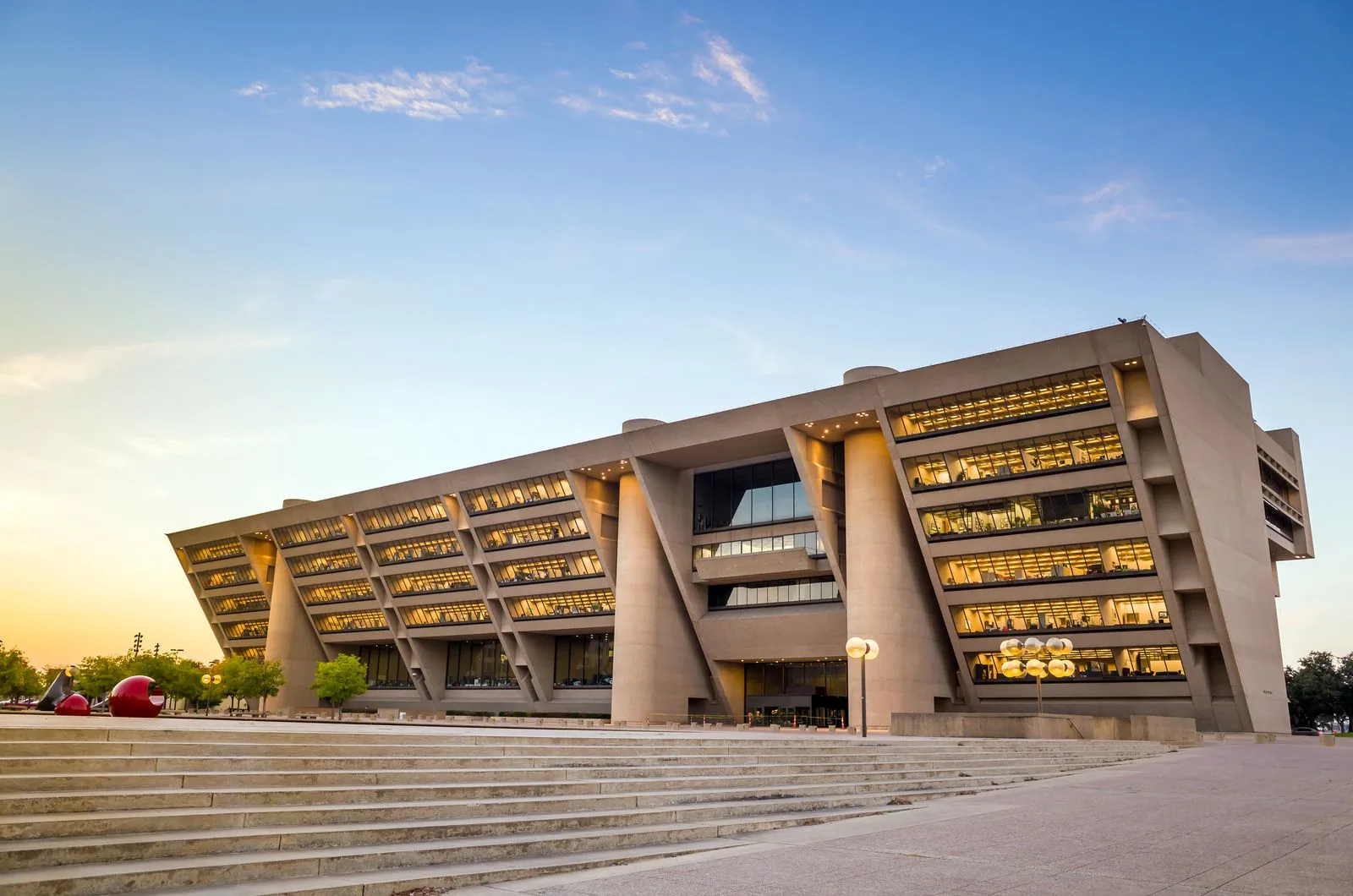
Office Building Roofing in South Fulton, GA
An office roof sits over people, desks and server closets. The use sets the first question: who works under each roof zone, and when? Tenants call about stains. Managers want dates and costs. The zone over the executive floor or the call center gets the tightest plan, and what changes the sequence is occupancy, because noise, odor and falling debris all reach people below.
South Fulton's development authority lists professional office corridors among its real-estate offerings and names corporate headquarters and business services among target sectors. South Fulton Parkway is named the city's largest commercial corridor, and Roosevelt and Old National are noted as business districts. Those names frame a visit. They do not reveal any roof assembly, so each office roof is read on site.
Many office roofs are shared by several tenants under one lease structure. A leak can cross suite lines, and the question of who pays follows. The roof plan shows which zone sits over which suite. Photographs and dates give the manager a record that does not depend on anyone's memory.
Break-ins, vandalism and unauthorized roof access are a concern for some managers. Hatches and ladders are checked for locks, and we note where a lock is missing or broken.
Roof mechanism: rooftop units, penthouses and parapets
Office roofs carry air handlers, exhaust fans and sometimes cooling towers. Each sits on a curb with flashing. A tall parapet wall collects water at its base. A penthouse adds walls and corners where flashing turns. These details leak more often than the field. We count curbs by zone, probe base flashing and walk the parapet cap.
Condensate lines from units sometimes drip onto the membrane, leaving stains and wearing the surface. We redirect them to drains or pans and note the change. Service routes get walk pads. A curb and support check goes on every walk, because a curb that has moved opens its flashing and tends to leak into the ceiling beneath.
Skylights and atriums need their own look. A glazed roof leaks at gaskets, framing joints and the curb below. Condensation on the glass can also look like a leak. We test with water where access allows and photograph the frame. A skylight flashing repair follows if the curb is the source.
Inspection findings: stains, drains and seams
Tenant reports start the trail. A stain in a ceiling tile points to a roof zone, not an exact spot. We map the stain, then trace uphill along the deck line, then probe the nearest seams, flashings and drains. Findings go on the roof plan with photographs.
Drains get a full pass. We clear strainers, test flow and check overflow at the parapet. Ponds are measured after rain. If a surface does not explain a stain, an infrared survey maps wet insulation, and a core confirms it. The wet boundary is then folded into the repair boundary.
Edge metal and gutters matter in an office setting because falling water lands on walks and entrances. A gutter pulled from its bracket sheds water onto the door. We check hangers, joints and downspouts, and we log what we find. A fix at the edge prevents both a roof leak and a slip hazard.
Weather, heat and storm peaks
NOAA's account of Georgia summers is long, hot and humid, and Atlanta climbs past 95 degrees on about seven days in a year. Office roofs face damaging thunderstorm winds all year, logged by the NWS at about 19 days a year around Peachtree City, plus large hail across northern and central Georgia on about seven days annually, peaking in April. Tornadoes can come in any month, most often March through May.
In March 2018, according to the NWS, an EF-2 tornado passed through South Fulton between Fairburn and Campbellton. A single track does not set the exposure of an office roof. It is a reason to check edges, copings and units after spring storms, and to keep a fallback date for spring work. Dated, photographed marks on the roof carry a repair or a claim.
Heat also hits the people inside. A roof that has lost its reflectivity adds load on cooling equipment. A cool roof surface can help, and the scope compares it with other choices on cost and expected life. Utility bills and mechanical records, not a regional temperature table, settle the energy question.
Scope options and code
Isolated faults get a repair. A sound roof over dry board is a candidate for a recover or a coating. Wet insulation across a zone calls for that zone to be torn off. Each path in the scope carries its cost drivers: area, layers, insulation, curbs, access and the phases the tenants allow.
The 2024 IBC with Georgia amendments is among Georgia's State Minimum Standard Codes, and the city dates its own enforcement to January 1, 2026. Energy requirements still follow the 2015 IECC with Georgia amendments. Replacement work that changes the insulation is reviewed against both. Permit and code questions go on the scope before the date is fixed.
Cost drivers include tenant-hour premiums, parking and lift staging, and the phasing the offices allow. Every item is itemized in the scope, and unit prices for wet insulation and deck repair mean the final cost tracks the measured area. A hospital roof has stricter rules still, and the same method stretches to fit.
Access and sequencing: tenants, parking and hours
Tenants set the hours. Noisy steps happen early or late, or on weekends. Fresh air intakes are covered, and odors are managed. Lifts stay off entrances and fire lanes. Parking lots near the building are marked and cones are placed. A clear tenant notice goes out a week before, naming dates, hours and contacts.
Offices near South Fulton Parkway and Cedar Grove or along Roosevelt Highway use the same method. A medical office roof adds clinical hours and infection limits. When the job ends, the owner holds photographs, the plan of the repair boundary, test results and product data.
The decision file serves the manager, the owner and, if asked, the tenant. It holds the notices sent, the work hours kept and the photographs of each stage.
A yearly walk after the spring storm peak and again before winter keeps the file current. Small items, such as a cracked boot or a loose coping joint, are fixed on the visit and logged, which keeps tenant calls down.
Send the roof plans and the access window
How do you keep an office open during a reroof?
Work by roof zone, move noisy steps to early or late hours and cover intakes. Tenants get a notice one week in advance naming dates, hours and a contact.
A tenant reports a stain. What happens first?
We map the stain, trace uphill along the deck line and probe the nearest seams, flashings and drains. A temporary seal goes on if water is entering. Photograph the stain before anything is moved.
Why do rooftop units cause leaks?
Each one adds a curb and flashing, and units vibrate and shift. A moved curb opens its flashing. Check supports and base flashing at every unit.
Can the roof be repaired without a permit?
Small repairs usually need none, but larger scopes may. Ask the building official, and use the scope's list of permit questions to guide the call.
Does a hail report prove my office roof is damaged?
No. A hail report starts an inspection; what backs a repair or a claim is the marks you can count on each test square, with dates and photographs.