
- Home
- Roofing for Logistics and 3PL Operators
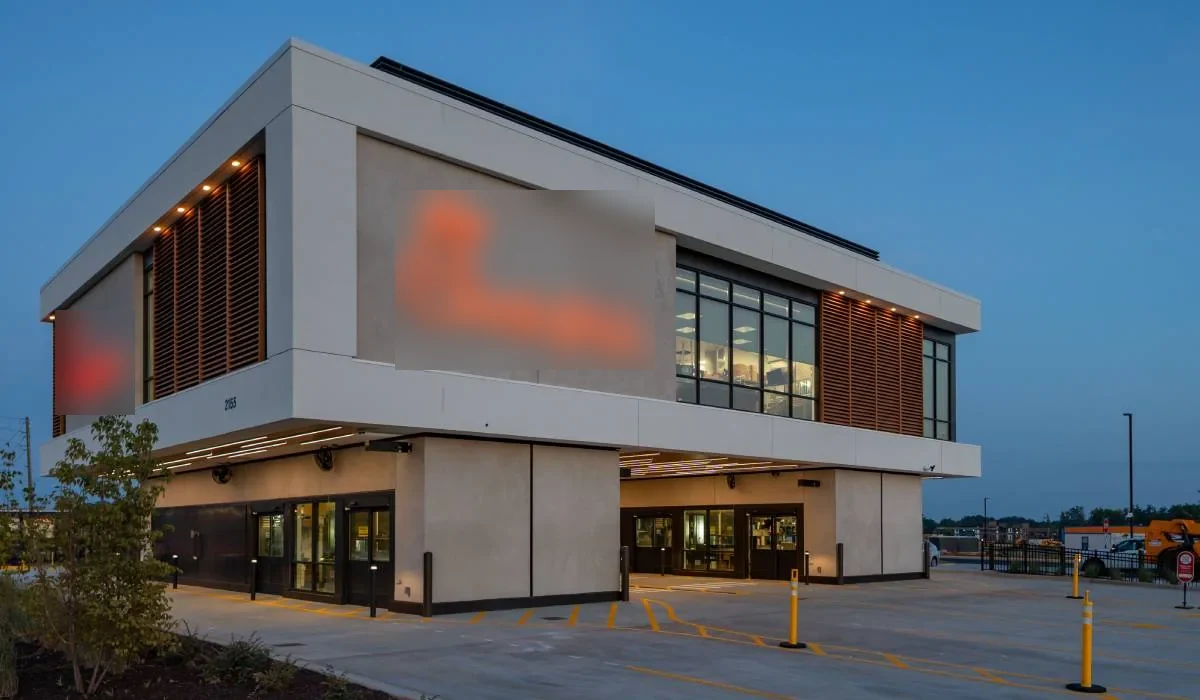
Roofing for Logistics and 3PL Operators in South Fulton, GA
A distribution building lives on dock doors and wide decks. Trucks arrive on a clock. Racks fill the floor under the roof. The roof is a long, flat field with a few hundred small details poking through it. When one of those details lets water in, product gets wet and a shift stops. In South Fulton, GA the roof plan starts with the dock schedule and the rack map.
The mechanism that changes the sequence is throughput. Work cannot block freight. So the crew works around it, zone by zone, and the plan shows when each zone is open.
Why logistics clusters here: roads, rail and the airport
Freight moves easily in and out of this market. The development authority names the I-85, I-285 and SR 138 routes plus regional rail as its logistics edge, and the city sits roughly 15 to 20 minutes from downtown Atlanta and the airport by car. Logistics and distribution are on its list of target industries.
Neighbors tell the same story. Forest Park's economic office works on the Gillem Logistics Center. Fairburn describes a thriving industrial area. East Point's Southmeadow Business Park reports 150 acres still available for large users. Those are location facts. They do not describe a given building's roof. Each site gets drawings, cores and a walk.
Roofs on these buildings carry the weight of the schedule. A leak over staged freight is a claim and a delay. A roof record that shows where water can enter, and how fast the operator can respond, is part of running the building.
Wide decks: drainage, ponding and long runs
Water on a big flat roof travels far to reach a drain. Any dip on the way becomes a pond. Ponds add weight and stress seams. They also hide leaks until the membrane gives way.
Measure every pond after rain, then compare depth, area and position with the drain locations. The fix may be tapered boards, a new sump or an added drain. Check the overflow path as well. A deck with parapets on all sides needs secondary scuppers at the right height. A ponding water repair starts from those measurements, never from a guess.
Roof age matters less than roof condition. A younger roof with ponds and open seams can need more work than an older roof that drains. The photographs and readings sort them out. Age goes in the record as a clue, not a verdict.
Details: units, skylights, docks and edges
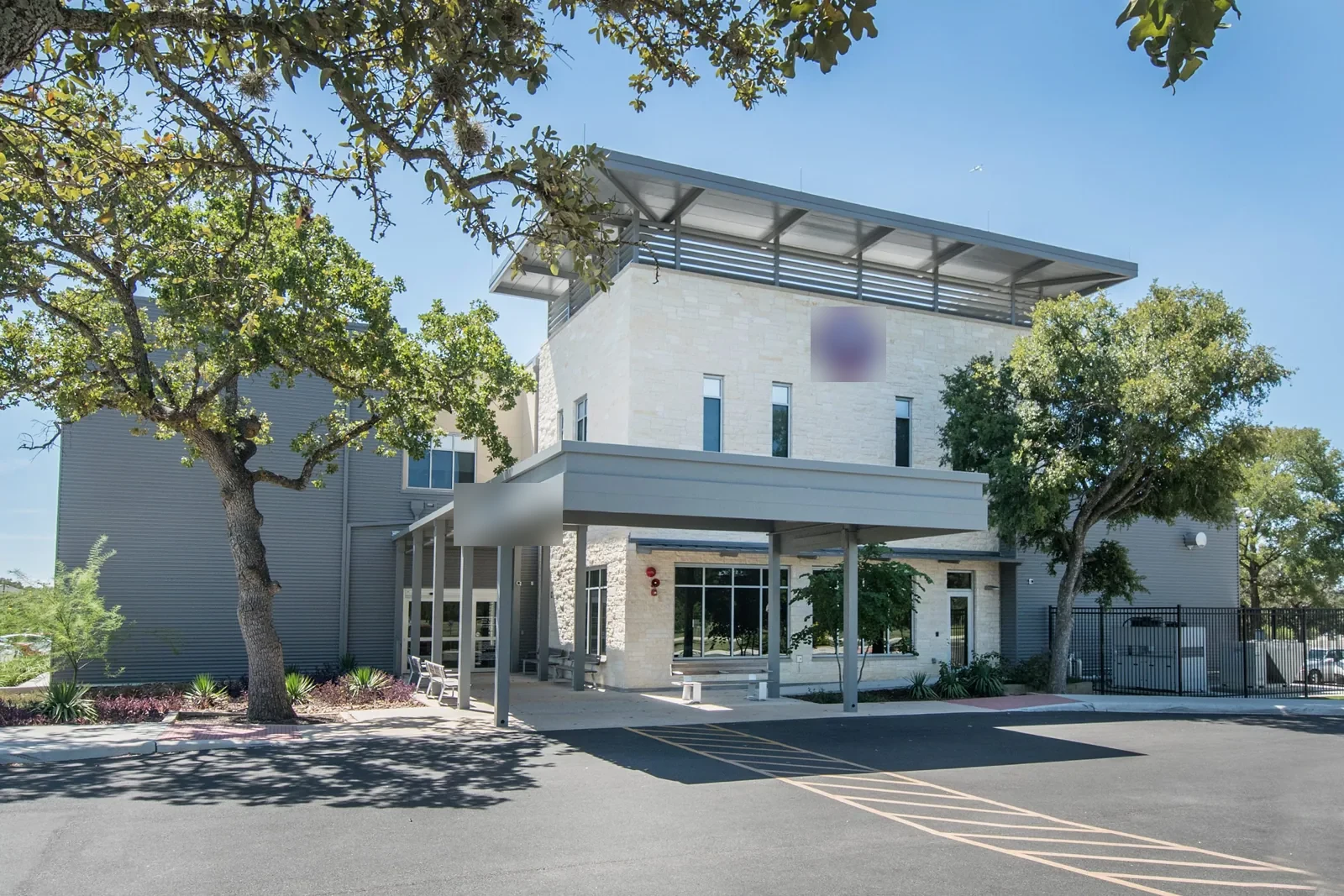
Number every detail. Rooftop units. Exhaust fans. Smoke vents. Skylights. Dock-side canopies. Edge metal runs. Each gets a curb, a flashing and a condition. Each gets a photograph.
The table that results is the real scope. A logistics operator sees each curb priced, not a lump sum. Repairs can be phased across budget cycles. A skylight and penetration flashing program goes first where leaks repeat. Pipe supports and conduit that rest on bare membrane are logged, since they wear through in time.
A manufacturer that ships from a building has the same details to count, and the manufacturer file adds an exhaust list on top. An operator sharing a building with a plant needs to know which vents discharge upward.
Work window: shifts, docks and peak season
Freight does not stop. The access log lists shifts, dock hours, peak weeks and any quiet period. Heavy work falls in the lull. Short repairs fit between waves. Roof sections over the busiest docks open last and close first.
Staging is a logistics problem on a site built for logistics. The plan names the lift pad, the material route and the debris path. A spotter guards the dock side. The lift never blocks a trailer. Racking below gets overhead protection. Fire lanes stay clear. An occupied building reroofing plan covers all of this in one page.
Cost drivers are plain to a logistics buyer. Roof area sets material. Detail count sets labor. The number of separate windows sets mobilizations. Dock limits set crew size. Each line is priced alone, so the operator sees which operating rule moves the number.
Weather: storm peak, wind and heat
Severe weather peaks in spring. April brings the most hail, and tornadoes concentrate from March to May. Wind that damages buildings can show up in any month. One EF-2 tornado crossed South Fulton in March 2018.
A distribution roof is large and exposed on every side. Edge zones take the wind. Start at the corners, with the fastener line and the edge metal. Heat matters too. Surfaces run hotter than the air through the long humid summer, and the safe working day shortens. Start early. Every open zone gets a firm dry-in limit before the first cut.
After a storm the walk follows a fixed order: drains first, then edges and corners, then the field. Skylights and smoke vents get a second look, since their domes and gaskets take hail and wind directly. Findings are dated and compared with the last record. A short note goes to the operations lead before the next shift.
Programs: a roof plan across many buildings
3PL operators run many buildings, often leased. A multi-site roof program uses one format across all of them. The zone map, readings and ranking scale match from site to site. An operations lead can sort by risk and date.
Leased buildings add a lease question. Who maintains the roof? Who pays? Findings are sorted by cause, which gives the operator and the landlord the same facts. Owners and investors who lease to operators can read the same file.
Capital timing matters to an operator on a lease. A roof near the end of its life can trigger a conversation about who pays and when. The ranking gives both sides a date and a reading to argue from, and the conversation starts from the roof instead of from opinion.
Send the dock schedule and the roof plan
How do you work around dock traffic?
By zones. Sections over the busiest docks open last and close first, a spotter guards the dock side and the lift never blocks a trailer. Send the dock schedule with the roof plan, peak weeks included, so each open zone can be timed to the lull.
Why measure ponds on a big flat roof?
Because depth, area and position point to the fix. A pond that drains in a day is a different problem from one that stays for a week. The numbers pick between a sump, tapered boards and a new drain.
Can the roof be repaired during peak season?
Short repairs, yes. Large work waits for the lull. The plan lists which items can go in a peak week and which cannot.
What if the building is leased?
Who maintains the roof is a lease question. Our record sorts findings into equipment, age and weather, so both parties see the same facts.
What does the operator keep after the work?
The detail table, a zone map, readings, material sheets, the access log, photographs and an open-items list with check dates.