
- Home
- Preventive Roof Maintenance
Preventive Roof Maintenance in South Fulton, GA
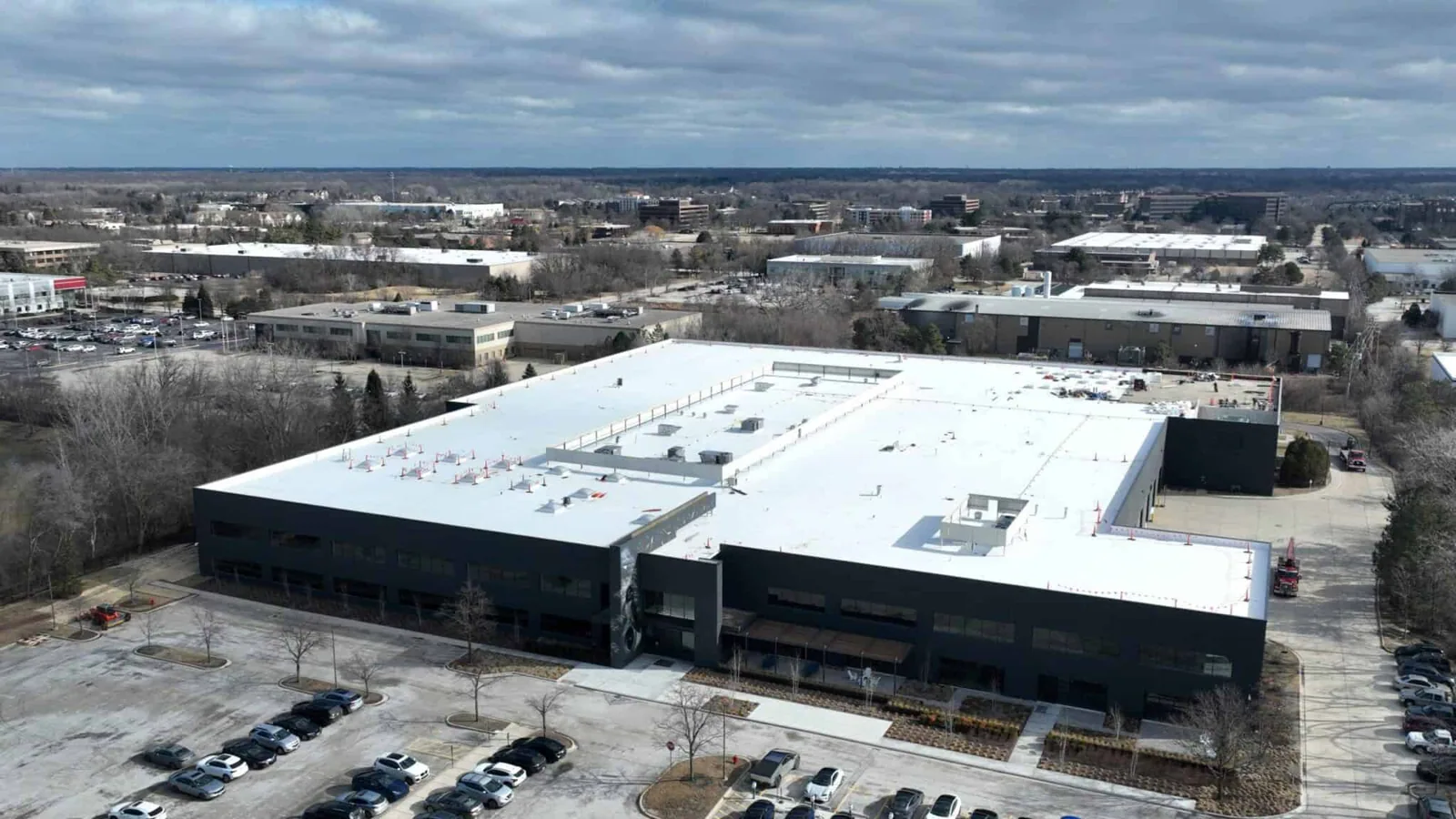
A distribution building has more roof than anyone walks. The same goes for a flex property that joins offices to warehouse bays. Maintenance starts by dividing that roof into zones and giving each one a visit schedule. In South Fulton, GA, the calendar has to follow the weather. Damaging thunderstorm winds reach the region in every month. Hail and tornadoes peak in spring. Summers run long, hot and humid. A program that visits once a year, at no set time, misses most of that. We build the visit plan around the seasons, then record what changed on each roof zone.
Building use: who the program serves
Target industries for the authority include logistics, distribution and advanced manufacturing, and industrial parks and flex space are among its available property. Buildings serving those uses share a trait. The business below the roof cannot stop for repairs, so small defects need fixing before they become leaks.
Maintenance suits owners with many roofs and owners with one roof that matters. A property manager along Old National Highway may hold strip centers with several tenants. One logistics owner near the Fulton Industrial District may have a single large deck to look after. Each gets a plan sized to the roof, the tenants and the loading schedule.
Roof mechanism: small defects that grow
Most roof failures begin as a small thing. A pipe boot cracks. A seam lifts at one corner. A drain strainer fills with debris. Water then finds that opening on every rain. Insulation below gets wet. The membrane blisters. A patch that cost little in March becomes a section replacement by autumn.
Heat speeds this up. Summer sun bakes sealants and thin membrane surfaces, and Atlanta logs roughly seven days a year past 95°F. Hail adds bruises that do not leak at once. Wind lifts edges that were already loose. Maintenance catches each stage early. The visit finds the cracked boot, the lifted seam and the clogged strainer while repair is still small. The record shows what was found, what was done and what to watch.
Inspection findings: what each visit checks
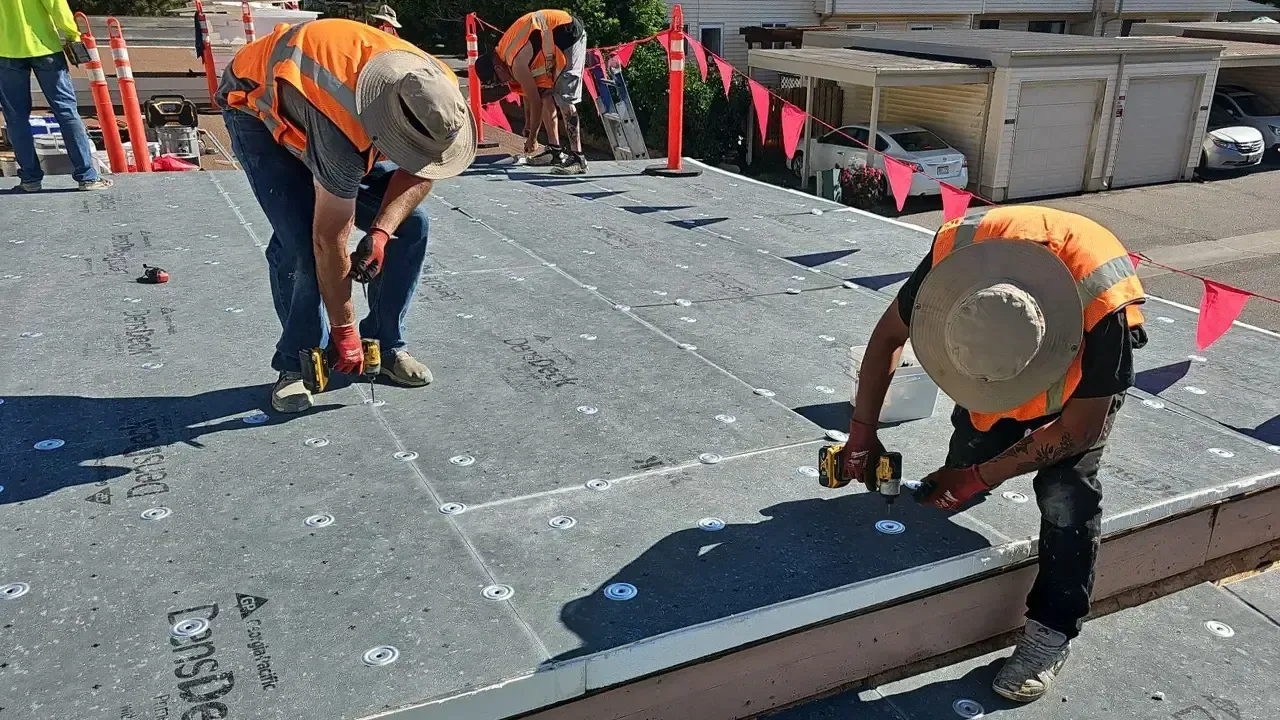
Each visit follows the same path so nothing is skipped. We start at the perimeter and edges. Then the field of the roof, the seams, the drains and scuppers, the penetrations and curbs, and the rooftop equipment. Walls, parapets and skylights come last. At each stop the crew records the condition, takes a photograph from a set position and notes any need for a test.
We clear debris from drains and gutters on the spot. We reseat loose fasteners at edges. We reseal small cracks at flashing. Anything bigger gets a written note with a photograph and a price. A repair that needs a drain correction or an infrared moisture survey is flagged for approval instead of done on the spot.
The visit also compares today's roof with the last record. A ponded area that has grown is visible in matched photographs. So is a seam that opened further, or a patch that is peeling.
Scope options: visit frequency and depth
Programs come in three shapes. A twice-yearly program fits most low-slope roofs: one visit before spring storms, one after summer heat. A quarterly program fits roofs with heavy equipment traffic, large drain counts or sensitive interiors. An annual program, paired with a post-storm visit, fits small, simple roofs in good condition.
Depth varies too. A basic visit is a walk, photographs, drain clearing and minor sealing. A full visit adds moisture screening, fastener checks and a written condition rating for each roof zone. For owners planning capital spending, the ratings feed a roof capital plan that ranks roofs by risk and remaining life. For owners with a warranty, the record shows the upkeep that most warranties expect, and we leave warranty terms to the manufacturer's documents.
Records carry across owners. When a building sells or a manager changes, the file explains the roof without a phone call. A buyer's team or a GC taking over a tenant improvement reads the zone ratings, sees the open items and knows what the previous owner already spent. That alone can shorten a due-diligence review by days.
Access and sequencing: working around operations
A maintenance crew rarely needs a lift. Most roofs have a ladder or hatch. We confirm the route, the key holder and the hours before the visit. On a logistics roof, we avoid loading peaks and keep clear of dock areas below. On a retail roof, we start before opening or after close when the work needs noise.
The crew carries small repair stock so minor fixes happen in the same visit. Large items wait for approval and a scheduled return. The GC or property manager gets a short report within a day: what was found, what was fixed, what needs a decision, and by when.
Where a roof has a history of leaks, the first visit adds a moisture screen. The result sets the baseline, and later visits compare against it. Equipment access paths are marked on the roof plan, and walkway pads are recommended where service crews wear the membrane. These small steps keep trade traffic from becoming the next repair.
Timing: tied to storm and heat seasons
NWS climatology puts damaging thunderstorm winds in every month, with a peak in spring and summer and about 19 damaging-wind days a year. Large hail shows up on roughly seven days a year in the warning area, and April is its peak. Tornadoes can strike in any month, and March through May is the busiest stretch. The program's first visit lands in February or early March, ahead of that stretch. It clears drains, tightens edges and records the baseline.
A second visit follows the spring storms. It checks for hail bruising, lifted seams and damage to equipment flashing. A summer or early-autumn visit looks at heat effects and prepares drains for fall rain. After any named storm, a post-event visit is added. A short call after the event sets the check, and dated photographs support any storm damage repair that follows.
Code work fits the calendar too. If a maintenance item grows into a permitted repair, the review follows the 2024 IBC and its Georgia Amendments, in effect in South Fulton since January 1, 2026.
Send the roof plans and the access window
How often should a South Fulton roof be on a maintenance schedule?
Twice a year suits most low-slope roofs: one visit in late winter ahead of spring storms, one after the summer heat. Add a quarterly visit for roofs with heavy equipment traffic or sensitive interiors. Add a post-storm visit to either plan. We set the schedule after the first walk, once we see drain counts, equipment and tenant needs.
Does maintenance replace repairs?
No. It reduces them and keeps them small. A visit fixes minor items on the spot and flags larger ones with a photograph and a price. A roof with open seams, wet insulation or failed flashing still needs a repair scope. Maintenance keeps the next failure from appearing unnoticed.
What does the record show an owner?
Photographs from fixed positions, a condition rating by roof zone, a list of work done and a list of open items. Over a few visits it shows which zones are stable and which are declining. That evidence helps with budgeting, warranty questions and insurance claims.
Can maintenance extend a roof's life?
It can slow the decline when the roof is sound. Clean drains, tight edges and sealed penetrations keep water out of the stack. It cannot reverse wet insulation or a worn-out membrane, and the record will say when a roof has moved past that point.