
- Home
- Warehouse Roofing
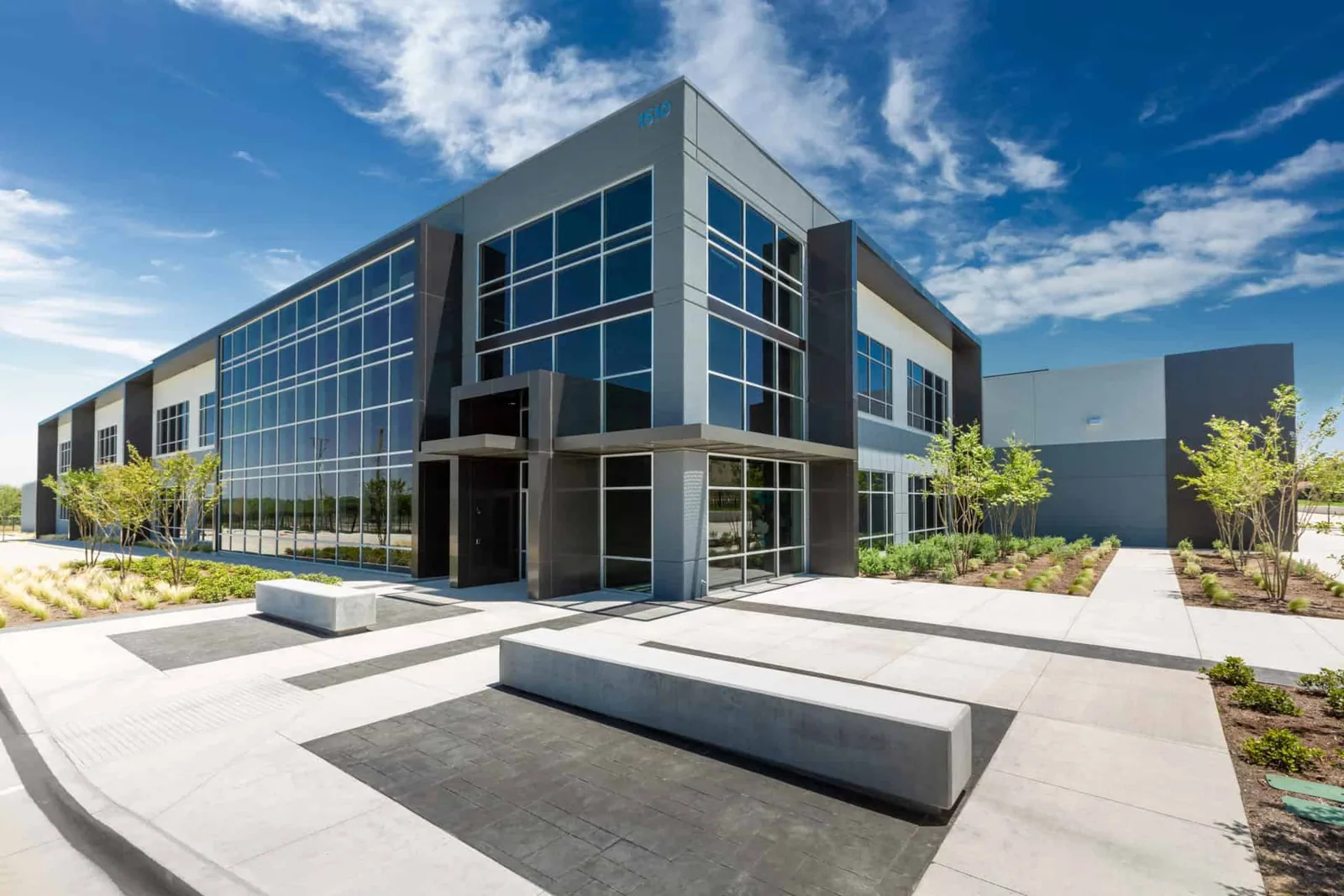
Warehouse Roofing in South Fulton, GA
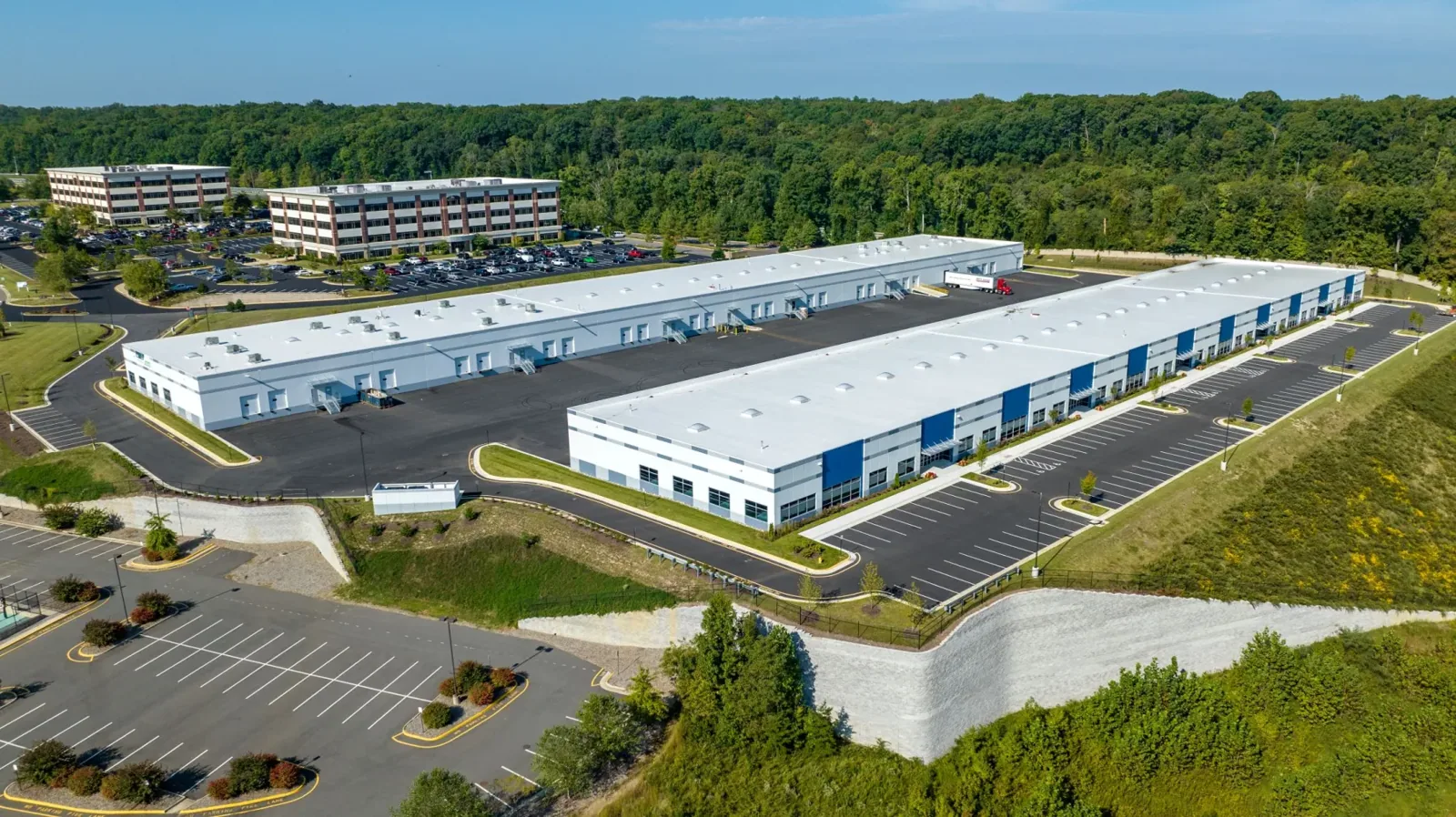
A warehouse roof covers a wide, open floor with few interior walls. That use sets the first questions. Where do the drains sit? How many rooftop units are there? Which dock doors cannot be blocked? The roof zone over the racking matters most, because a leak there damages stock. The mechanism that changes the sequence is area: a large flat roof moves water slowly, and a small fault can wet a lot of insulation.
South Fulton's development authority lists logistics and distribution among its strengths and reports more than 4,000 acres of developable land. The Fulton Industrial District sits next door. Those facts frame demand for warehouse space. They do not tell us what is on any roof. Each building is read on its own, zone by zone, and the findings go on a plan.
The development authority credits I-85, I-285, SR 138 and regional rail for the area's logistics edge. Trucks and lifts reach a site by those roads, but staging space on the lot is a separate question, settled before the date is booked.
Roof mechanism: the drain plane
A wide roof drains to a few points. Each drain has a catchment area, and the catchment area sets the load. If one drain clogs, water backs up over its zone and the deck carries it. We map the drain plane first: where the drains sit, where the slope runs and where water stands after rain.
Strainers are cleared, flow is tested and the parapet overflow scuppers are checked. Secondary drainage is the last protection against overload. A drain or scupper that works only in light rain is partly blocked. The record shows the clearing, the test and the date. Ponds are measured for depth and duration after rain.
Parapet walls collect water at their base, and a flashing there carries a lot of load. We check the base flashing height, the counterflashing and any scupper through the wall. A scupper set too high leaves a permanent pond behind the wall. Setting it at the right height may be the cheapest fix on the roof.
Findings: seams, curbs and dock-side zones
A long run of seam crosses the field. We probe it on a close grid. Open seams are measured in feet. Curbs and penetrations are counted by zone. Each rooftop unit adds flashing. Exhaust, make-up air and roof hatches add more. The dock side often carries extra units for loading areas, and the roof there gets foot traffic from service crews.
Walk pads go along the service routes. A route that crosses a seam gets a pad over the seam. The walk also checks the edge: parapet cap, coping and the first rows of fasteners. Corner zones take the most wind. An infrared survey maps wet insulation when the surface does not explain a stain on the floor.
Skylights and smoke vents in a warehouse roof are common leak sites. Domes crack and curbs shift. We inspect each one, test the seal and photograph the frame. A failing unit gets a temporary cover on the first visit and a skylight flashing repair after.
Storm calendar: wind, hail and tornadoes
A warehouse's long edges meet damaging thunderstorm winds that the NWS logs in every month near Peachtree City, around 19 days a year. On top of the wind, large hail falls on about seven days of a typical year across the north and center of Georgia, and April is heaviest. Any month can bring a tornado, though spring holds most of them. In March 2018 the NWS documented an EF-2 tornado in South Fulton, with a path between Fairburn and Campbellton.
A wide roof catches wind uplift at edges and corners. After a strong storm, we walk the perimeter, check copings and photograph any lifted laps. Regional storm data prompts the visit. Photographs of dated marks are what back a repair or a claim. A wind damage record keeps edge and attachment findings together.
Heat comes with the season. Atlanta clears 95 degrees on roughly seven days of an ordinary year. A dark membrane over a metal deck runs hotter than the air, and seams and sealants work hard. Summer inspections look for softening, shrinkage and open laps, with the regional figure as context only.
Scope options and code
Local faults take repair. A sound deck with dry insulation takes a recover or a coating. Where wet board spreads across a zone, that zone gets torn off. A test opening and a moisture survey settle which. A large roof can be done in phases, each ending watertight, so stock stays dry.
Under South Fulton's permit page, the 2024 IBC with Georgia amendments applies to permits from January 1, 2026. Energy compliance still means the 2015 IECC with Georgia amendments. Any replacement that alters insulation is checked against both sets of rules. Permit and code questions are listed in the scope ahead of the booking date.
Cost follows area, layers removed, insulation depth, penetrations and the phases the operation allows. Wet board and deck repair are unit-priced lines. A cold storage roof adds vapor concerns that a dry warehouse does not have. Each driver appears in the scope as its own item.
Access and sequencing: loading schedules
A warehouse runs on a loading schedule. Trucks arrive at fixed times. Forklifts move all day. The roof work is tied to that rhythm. Lifts stay clear of dock aprons. Material staging avoids truck lanes. Each phase has a dry-in limit and a close-in point, and nothing stays open past shift end.
Logistics sites near the Oakley industrial corridor and the I-85 and I-285 connections use the same method. A distribution center roof adds higher rooftop equipment loads. Afterward the owner receives photographs, a repair-boundary plan, test results and product data.
Records go to the owner and, if asked, to the tenant. A tenant under a lease with roof duties needs to see the same photographs as the landlord, and one file serves both.
A fire watch and a hot-work permit are needed for torch or kettle work, and stock inside may restrict open flame. The scope names cold-applied options where the building's use calls for them, and the dry-in plan covers the stock below.
Send the roof plans and the access window
What should be checked first on a warehouse roof?
Start with drains and the zones that hold water after rain, since ponding shows a failure sooner than any other sign. Then probe seams and count the curbs. Photograph each drain before and after clearing.
Can a warehouse stay in operation during a reroof?
Yes, in phases. Each roof zone closes watertight before the next one opens, and lifts stay clear of dock aprons. Put the staging route and loading schedule in writing before the crew arrives.
Is a recover better than tear-off for a large roof?
When the insulation is dry and the deck is sound, a recover saves tear-off time and disposal. Moisture mapping and cores decide. If the board is wet, remove it first.
How do I protect stock during a leak?
Cover it, move it if you can and call. We set a temporary dry-in the same day, then trace the source. Record where water landed so the repair can follow it uphill.
Does a storm report prove roof damage?
No. It is a reason to inspect. Dated photographs of marks and openings, counted by roof zone, are what support a repair or a claim.