
- Home
- Commercial Roof Repair
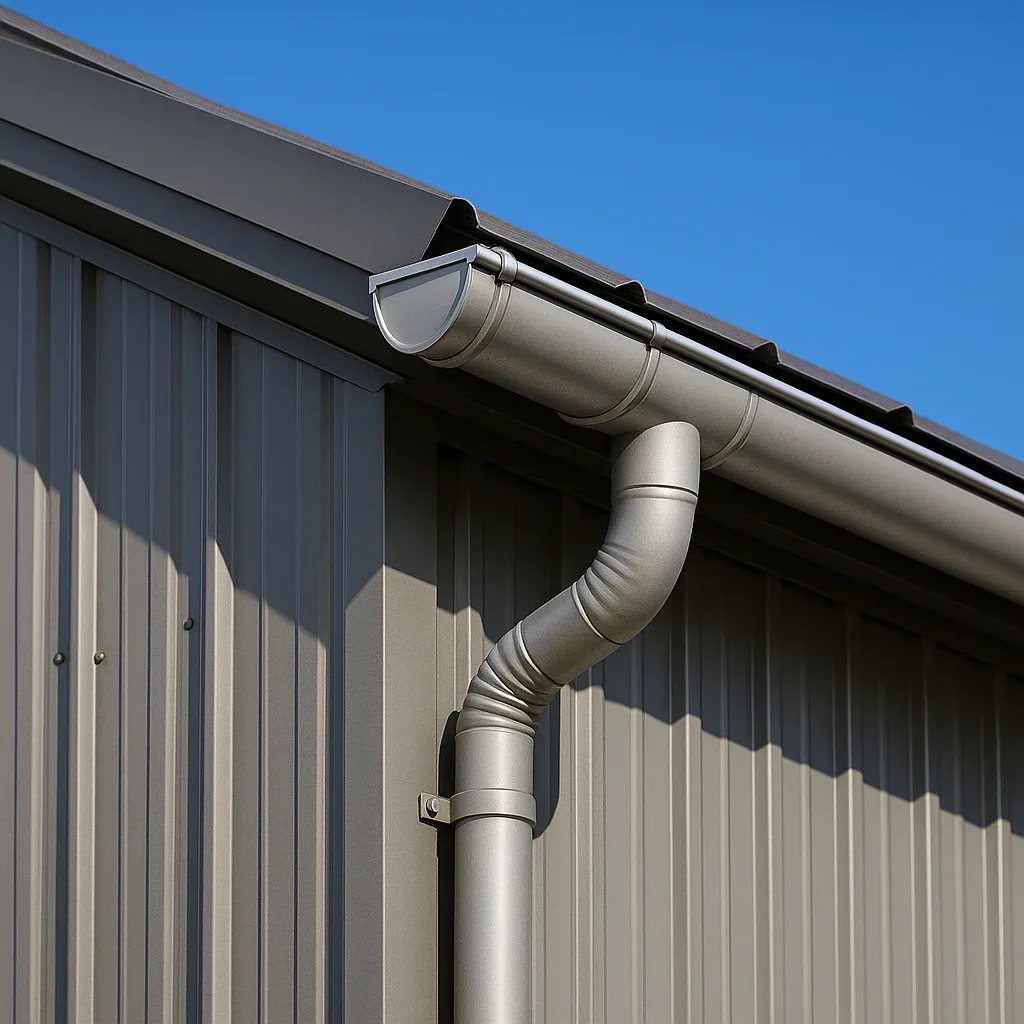
Commercial Roof Repair in South Fulton, GA
A seam on a manufacturing roof moves with every hot afternoon. It opens a little, closes at night, and repeats. After enough cycles the weld or adhesive line lets go. Planned repair catches that line before water does. In South Fulton, GA the cycle runs hard: long humid summers, damaging wind in every month, and a spring hail peak. We repair by roof zone, with the membrane, flashing, seam, or detail named for each fix. The goal is a roof that stays in service while the owner decides on a long-term plan.
Building use: where planned repair pays
Repair makes sense on roofs where the deck and insulation are sound and the failures are local. Among the target industries of South Fulton's development authority are logistics, distribution and advanced manufacturing, and the Camp Creek industrial-commercial area and the Fulton Industrial District are industrial settings near the city. On a distribution or plant roof, failures tend to cluster at penetrations, drains, and edges. Those are repair-friendly roofs when moisture has not spread.
Retail and office roofs with many rooftop units, curbs, and small flashings multiply the points where a roof can fail. Along South Fulton Parkway, which the city calls its largest commercial corridor, a repair plan for a building with many units is as much an inventory as a fix. Every curb and pipe gets a line on the list.
Roof mechanism: seams, flashings, and punctures
Single-ply seams are heat-welded or adhered, and thermal movement works them over time. Base flashings pull away from walls and curbs when the substrate shifts or the adhesive ages. Penetrations such as pipes, conduit, and gas lines depend on small pieces of flashing that crack in UV. Foot traffic from rooftop maintenance punctures the field.
Each failure type has its own repair. A failed seam is cleaned, probed, and re-welded or taped. A failed flashing is cut back and rebuilt to the curb. A puncture gets a patch sized for the membrane. Using the wrong fix, such as sealant over an open seam, buys a few weeks and hides the real failure.
Inspection findings: what we mark and how we sort it
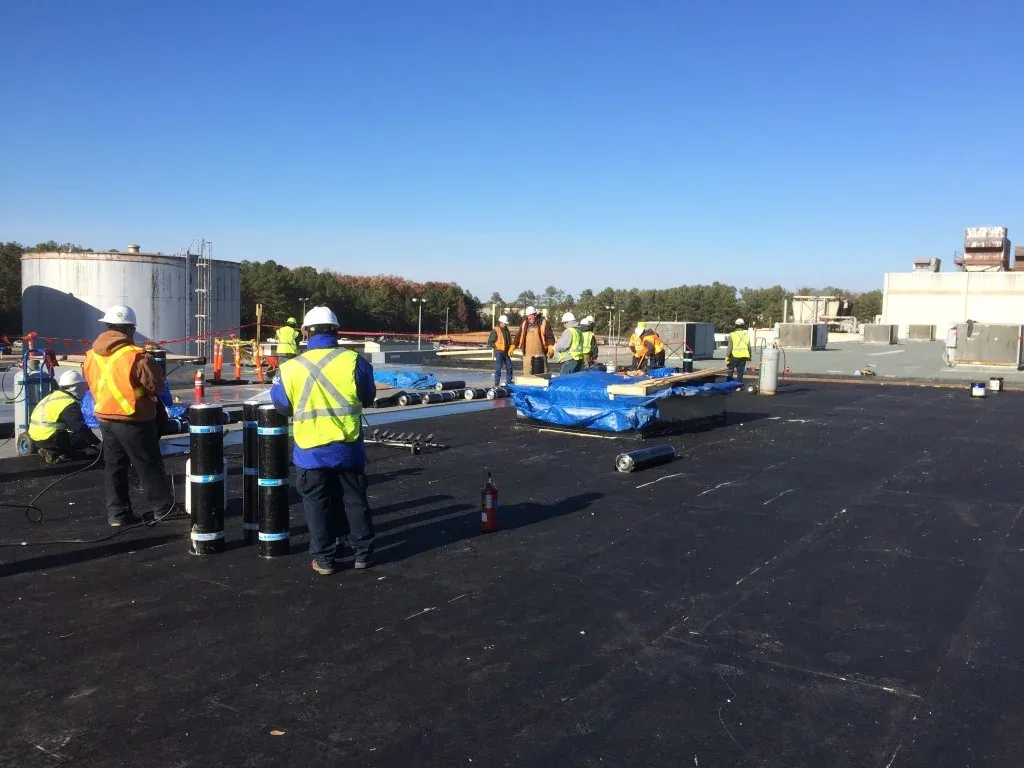
We walk every roof zone and mark each defect with paint and a photo. Findings split into three groups: repair now, repair at the next visit, and watch. Seams that probe open or flashings with visible daylight go first. Surface wear that has not breached the membrane goes on the watch list with a recheck date. Drains get a second look in every case. Debris, standing water, and loose strainers show up fast after a storm, and a clogged drain can turn a minor seam flaw into a leak.
If the walk raises questions about moisture, we add a scan. A leak trace or an infrared moisture survey separates dry insulation from wet. Where wet areas are limited, they are cut out and rebuilt as part of the repair. Where they are widespread, repair stops being the right tool and the conversation shifts to scope.
Scope options: patch, section rebuild, or coating
A patch handles one defect. A section rebuild replaces a defined area, such as the zone around a drain sump, with new insulation and membrane. A fluid-applied coating can seal a larger area of sound but aged membrane, and roof coating restoration is the route for that. Each choice trades cost against life.
The same roof can use all three. A distribution building may take patches on the field, a rebuilt area at the dock canopy, and new edge metal along the wind-exposed side. We write the scope zone by zone, so the GC and the owner approve each part separately.
Access and sequencing: keeping the building working
Most repair work happens with the building in use. We schedule it around loading windows, tenant hours, and shift changes. Hoists and ladders are placed away from entries and truck lanes. Hot-applied work, where used, is paired with a fire watch and a plan for the shutoff points below.
Weather decides the order. Repairs cure best in dry, moderate conditions, and Atlanta runs about seven days a year past 95°F, so adhesive work avoids the hottest afternoons. Spring storms can stop a day outright. Each open repair is dried in before the crew leaves the zone.
Records matter on a repair visit. We log the date, the zone, the defect, the material used, and the photo number. That log lets a property manager see whether the same curb or seam keeps returning. A repeat failure at one spot usually points to a detail problem, such as poor drainage or movement, that a patch will not cure.
Timing: when to act and when to plan
A defect found in April has a different clock than one found in August. April is the peak month for large hail across the north and central Georgia region, and the Peachtree City warning area counts roughly 19 damaging-wind days in a typical year. Repairs completed before those months hold up better than repairs made after a storm. The EF-2 tornado that tracked between Fairburn and Campbellton in March 2018 damaged homes, a reminder that the March-to-May peak is when edge metal and flashing get tested. Loose flashing and weak edge metal are where a roof gives way first, so they head the repair list.
Repair is also a way to buy time. When a roof is within a few years of replacement, we keep the repair scope tight and note what carries into the replacement plan.
Give us the access window and the defect list
How do you know a seam can be repaired and not replaced?
We probe it. A clean, dry seam with sound membrane on both sides takes a new weld or a seam tape. A seam where the membrane has shrunk, cracked, or lost plasticizer will not hold a repair. Those areas are cut out and patched with a full membrane piece. We record each seam we touch, with a photo, so the owner has a running list of what has been done.
Why do flashings fail more often than the field membrane?
They sit at the places where the building moves. Walls, curbs, and pipes shift at a different rate than the deck, and the flashing takes the difference. UV and heat then dry out the adhesive and sealant. In a South Fulton summer that cycle is fast. Repair means cutting back to sound material and rebuilding the termination, not smearing sealant over the gap.
What should a repair list for a warehouse show?
It should show each defect by roof zone, its location, a photo, the fix, and the cost. Penetrations, drains, and edge metal belong in separate groups from field repairs. A distribution building can have dozens of small items, so grouping them lets the GC approve work in pieces and compare a repair-only year against a replacement year.
Does a repair affect an existing manufacturer warranty?
Some warranties restrict who may repair the membrane and which materials may be used. Owners with an active warranty should send us the document before work starts. We match materials and methods to the system type, and we note on the scope sheet any item that needs the manufacturer's approval. Without a warranty, the repair follows standard good practice for the membrane.
Is a coating better than patching a roof with many small failures?
Sometimes. When the membrane is dry, adhered, and generally sound, a coating can seal many small flaws in one pass and extend service life. When the stack is wet or the membrane is loose, coating hides trouble. The moisture scan decides. We price both paths so the owner can see when a coating costs less than the sum of patches.