
- Home
- Roofing for Property Management Companies
Roofing for Property Management Companies in South Fulton, GA
A property manager with twenty buildings has twenty roofs and one phone. Leak calls arrive in a pile. Some are the roof. Some are an air handler. Some are a plumbing stack. The first job is sorting them. In South Fulton, GA the sort starts with a roof plan, a service log and a walk.
We treat a portfolio as a set of roof zones. Each zone has a condition, a leak history and a next action. The manager sees all of it on one list, ranked by risk and by cost.
Leak triage: which calls belong to the roof
A stain on a ceiling tile is a symptom. The source may sit anywhere above it. Condensate lines drip. Roof drains clog. Penetrations crack. Membranes split. Each leaves a different mark.
The triage walk matches the interior stain to the roof zone above it. It checks the drains first, then penetrations, then seams and edges. Weather on the day of the stain goes in the record. A leak that appears on dry days points to equipment, not rain. A leak that follows storms points to the roof. The manager then knows whom to call, and the owner is not billed for the wrong trade.
Keep the log tidy. Each stain gets a date, a unit number, a photograph and the weather. Over a year the log shows patterns. Three stains in the same stack of top-floor units point to one detail. Scattered stains across a building point to age. The pattern is often more useful than any single call.
Portfolio ranking: condition, leak history and remaining life
Rank buildings by what the roof is doing. Moisture readings come first. Leak counts come next. Age and system type follow. The result is a list from urgent to stable, with a rough budget window beside each building.
The same list serves budget time, refinance and sale. A roof capital plan turns the ranking into a calendar of repairs, restorations and replacements. The manager can defend each line, because a photograph and a reading sit behind it.
Four things move the price of a roof: its area, its penetrations, how hard it is to reach and how many times tenants force the crew to remobilize. The ranking lists those beside each building, so the manager can see why one roof costs more per square than another.
Local portfolios: corridors, districts and mixed use
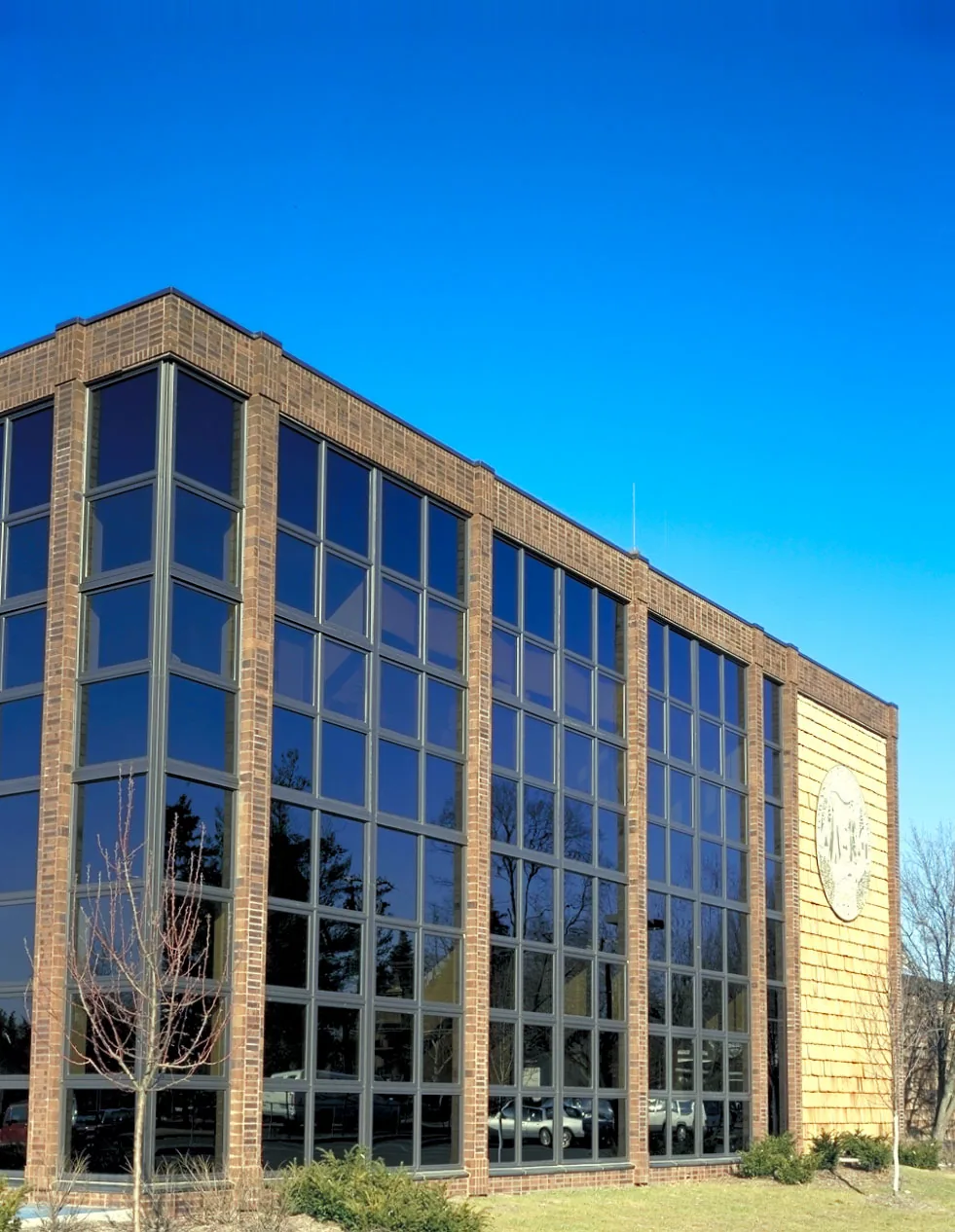
South Fulton's commercial districts sit along Roosevelt and Old National highways. The merchants' association counts roughly 500 establishments along Old National, which is Highway 279. The city names South Fulton Parkway as its largest commercial corridor. Industrial parks, flex space, mixed-use projects and professional offices are all listed among the city's real-estate offerings.
A manager in that setting handles shopping strips, apartments, offices and flex buildings in the same portfolio. Each has a different roof and a different tenant. The Old National Highway corridor and the Roosevelt Highway side near Red Oak each get their own section in the record. Neighbors share drains and approaches, so the log notes who else is on the roof.
Tenant coordination: notices, hours and access
Tenants live with the work. A notice goes out before each phase. It lists the dates, the hours, the noise and a contact. Heavy tasks run when most suites are empty. Air intakes are covered before adhesive work. Staging stays off customer parking and fire lanes.
Retail and restaurant tenants get extra care. Food areas need sealed penetrations and clean air. Offices need quiet hours. Warehouse tenants need dock access. Our occupied building reroofing plan lists each tenant, the roof zone above, and the rule that applies. The manager reads one page and knows what was promised.
Lease terms matter. Some leases make the tenant responsible for rooftop equipment and any damage it causes. Others put the whole roof on the landlord. The record separates findings by cause, such as equipment, age or weather, so the manager has a basis for a charge-back conversation. We never decide who pays. We document what happened.
Storm response: the first walk after a report
Georgia's severe weather runs on a spring peak. Hail is most common in April. Tornadoes bunch up from March to May. One EF-2 crossed South Fulton in March 2018. Damaging gusts occur in every month.
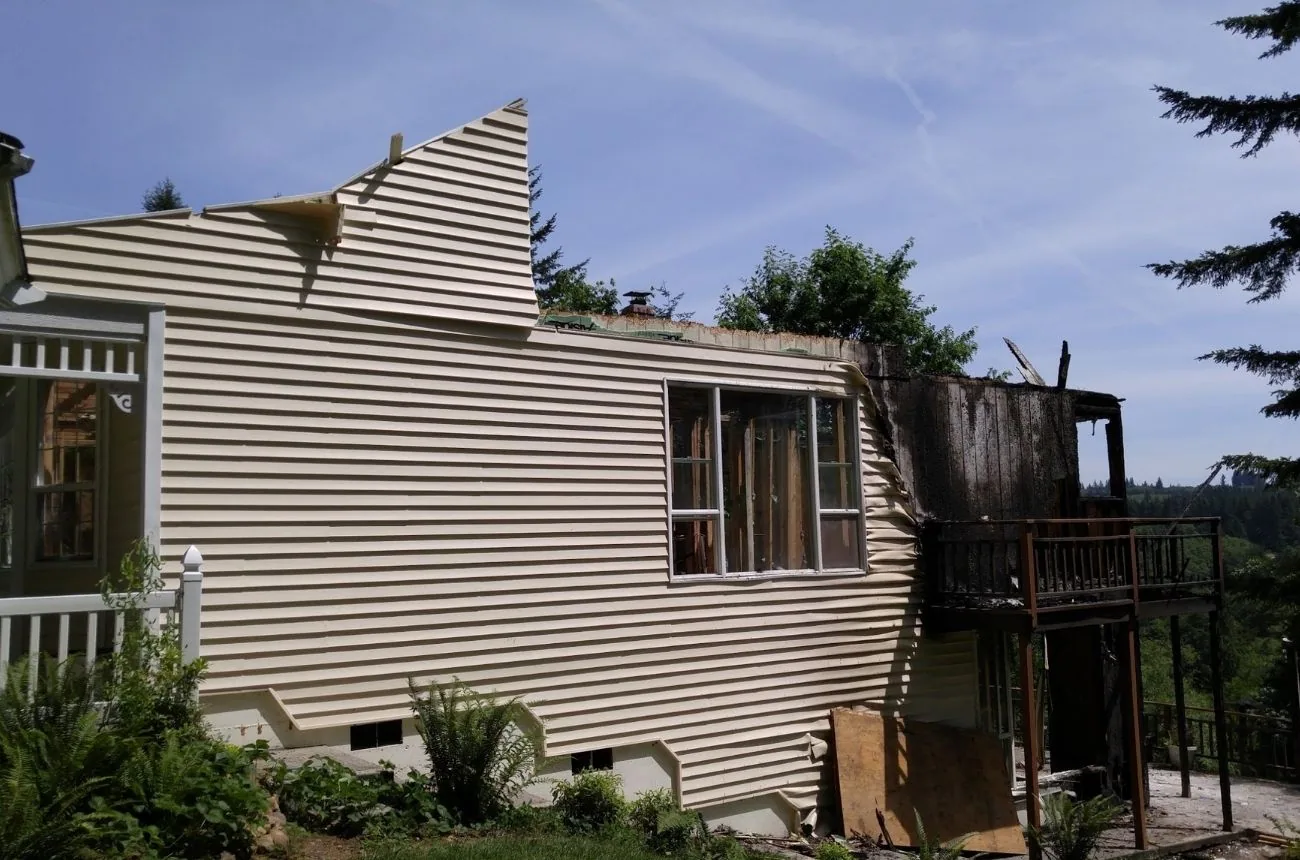
After a storm, walk the portfolio in order of risk. Start with buildings that had open repairs or known weak edges. Photograph each roof zone from fixed positions and compare with the last set. Mark bruises, lifted edges and displaced coping. Dated photographs separate new damage from old wear. They also give the owner a clean file for an insurer.
Reports go to the manager the same day. They are short: roofs walked, findings by zone, urgent items and a suggested order for the rest. A manager who gets that note by evening can brief the owner by morning.
Maintenance: a visit schedule that fits the budget
A roof that is looked at twice a year lasts longer than one that is looked at after a leak. A preventive roof maintenance program visits each building on a set schedule. It clears drains, checks flashings, tightens loose edge metal and photographs the roof. Small repairs happen during the visit. Larger ones go on the list with a date.
The program fits the budget year. Visits cluster before the spring storm peak and after the summer. The manager gets a short written report for each building, not a stack of paper.
Emergency coverage fits the same program. If a leak starts after hours, the on-call number connects to a person who can set a first step. We secure the leak, define the close-in limit and report to the manager the same day. Permanent scope follows, once the roof is dry and the cause is known. The manager is never asked to approve a repair at three in the morning without a plan.
Send the building list and the leak log
How do I know a ceiling stain is a roof leak?
Match the stain to the roof zone above it and check the weather on the date. A stain that appears on dry days points to condensate or equipment. We recommend logging each stain with a photograph and a unit number.
How should I rank which roofs to fix first?
Start with moisture readings, then leak counts, then age and system type. A dry roof with local faults can wait for a repair visit. A wet roof cannot. The ranking should list the reason beside each building.
Can roof work happen with tenants in place?
Yes. Notices go out before each phase, intakes are covered, noisy work runs midday and staging stays off customer lanes. The plan lists each tenant and the rule that applies.
How often should each building be walked?
Two walks a year make a sound baseline, one ahead of spring storms and one after summer. A major storm adds a walk. A building with known weak spots may need a third.
What does the manager keep after a repair?
A packet with the zone map, readings, product data, photographs and open items. It stays with the building if the manager changes.