
- Home
- Multi-Site Roof Programs
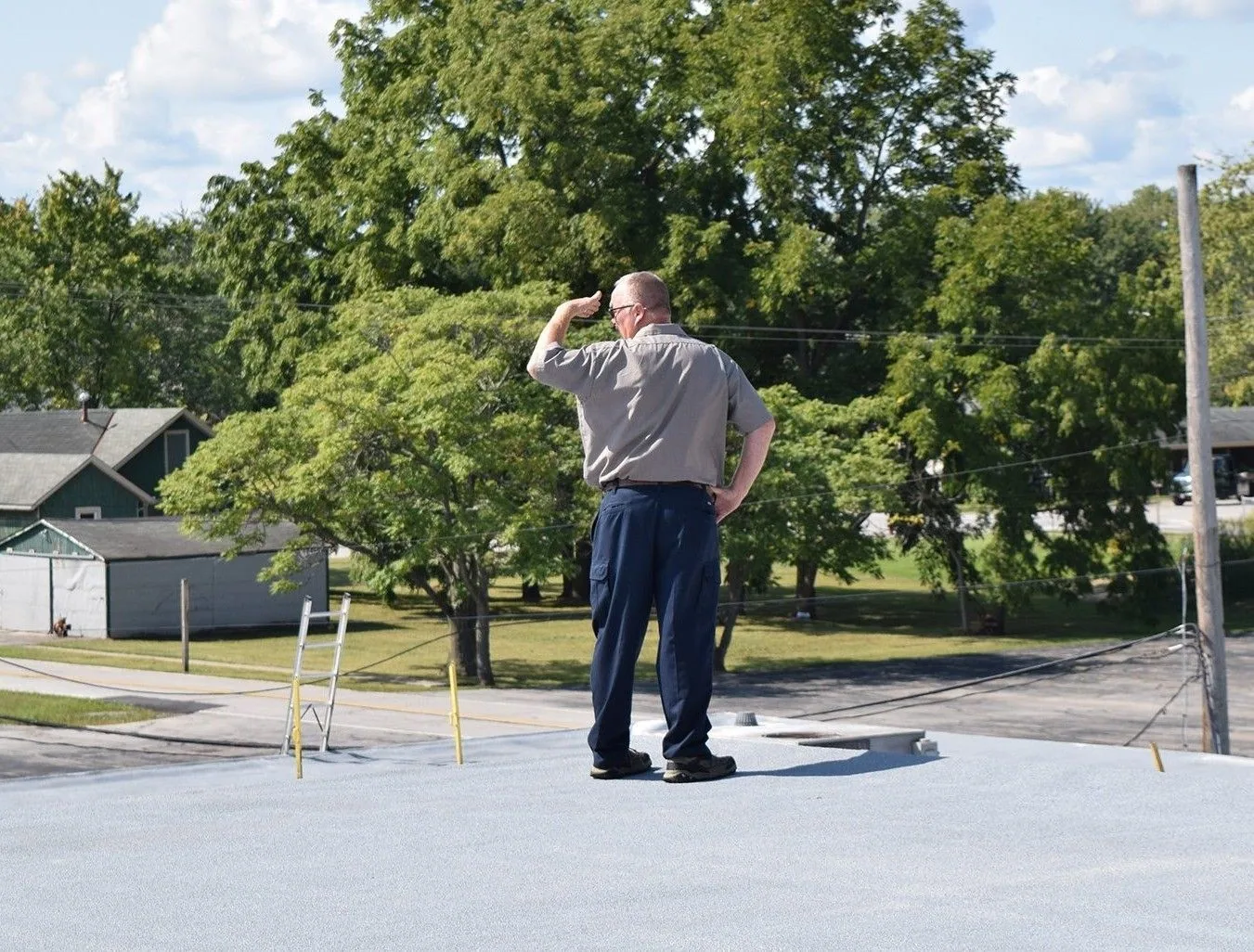
Multi-Site Roof Programs in South Fulton, GA
Ten buildings with ten roofers produce ten sets of records and ten ways to describe a leak. A program replaces that with one standard, one schedule and one file. For portfolios in South Fulton, GA, the program also has to account for a regional pattern: damaging thunderstorm winds in every month, a spring peak for hail and tornadoes, and long hot summers. We set the rules once and apply them at every roof.
Building use: portfolios that span corridors
The authority cites regional rail along with SR 138, I-285 and I-85 as the market's logistics edge. A portfolio that follows those routes can keep crews moving between sites without long deadhead trips. A logistics portfolio along those routes can include warehouse, distribution and flex buildings in several municipalities. In Forest Park, the city reports access to I-75, I-285 and I-675 and a location near Hartsfield-Jackson airport, so a logistics owner may hold sites there as well as in South Fulton.
A retail or office portfolio can span corridors the same way. East Point places shops, restaurants and retail activity in its Downtown District, on Virginia Avenue and at Camp Creek Marketplace. A manager with sites across those places needs one set of tenant notices, one emergency path and one report format. Each building keeps its own roof plan inside the program, and the manager keeps one point of contact for all of them.
Roof mechanism: why a program changes outcomes
Roofs fail on patterns. Seams open on the same system type. Flashings fail where the same detail was used. Drains clog on the same schedule. A program sees those patterns across buildings, which a single-site view cannot. If four buildings with the same membrane open seams in the same summer, the program treats it as a system trend and adjusts the plan.
Programs also change the cost mechanics. Repeated work in one visit saves mobilization. Material buys can be grouped. Crews that know the sites arrive with the right access plan. The cost of a leak call drops when the file already shows the roof, the zone and the prior repair. Storms hit several sites at once, and a program that ranks them by tenant exposure sends crews where they are needed first.

Inspection findings: the first pass across the portfolio
The program starts with a baseline pass across every roof. The same checklist, the same rating scale and the same photograph standard go to each site, so results can be compared. A drone pass shortens the first look on large roofs, and a moisture scan runs where age or history suggests it.
- Roof ID, building use, tenants below and access route for each site.
- Surface type, age if known and condition by zone.
- Drains, penetrations and rooftop equipment, with flashing condition.
- Moisture findings and any repeat leak locations.
- Open items ranked by risk and tenant exposure.
The ranked list feeds capital planning. The photographs and zone numbers feed the portfolio's asset record. Both update with each visit, so the ranking tracks the roofs and not last year's assumptions. A building that moves up the list gets its reserve flagged before the next budget meeting.
Scope options: tiers of program
A basic program covers scheduled inspections and a single emergency number. A standard program adds preventive tasks: drain cleaning, debris removal, sealant checks and small repairs, delivered through a preventive maintenance schedule. A full program adds capital planning, warranty tracking and storm response protocols.
Owners choose the tier by the portfolio and the staff. A manager with a small team may want the full program, since it absorbs scheduling and records. A manager with a facilities department may want inspections and a capital plan only. A warranty management layer applies where roofs are under manufacturer terms. The scope is written per site and rolled up for the portfolio, so the owner can add or drop a building without rewriting the rest.
Access and sequencing: one schedule, many sites
Scheduling is the main work of a program. We build a calendar that groups sites by geography, tenant calendar and roof condition. A crew that finishes a repair at one site can move to the next within the same trip. Tenant notices go out from one template, so every site hears the same plain message.
Each site keeps its own access rules. A distribution center has dock hours and truck routes. A retail center has opening hours and customer parking. An office building has security desks and freight lift limits. The program holds those rules in the site file, so a crew never arrives without the access plan. Hoisting and staging are planned once per site and reused each visit.
Code coordination: one edition, several jurisdictions
Georgia lists the 2024 IBC among its mandatory State Minimum Standard Codes, and South Fulton began applying it with Georgia Amendments on January 1, 2026. A portfolio that crosses city lines still works under the same state minimum, but each municipality runs its own permit desk and its own inspection routine.
The program file records the permit contact, the usual lead time and the inspection steps for each site. When a replacement comes up at the third building in a year, the crew and the GC already know which office to call and which documents it asks for.
Send the site list and the tenant calendar
How many buildings are needed before a program makes sense?
Two or three buildings with the same owner can justify one, since scheduling, records and storm response are shared. The benefit grows with the count. A single large building with many roof zones can also be run as a small program.
Can the program include roofs installed by other contractors?
Yes. The baseline pass treats every roof the same way. We record the system type, the visible condition and the warranty status, and we note what is unknown. Repair work follows the manufacturer's instructions for the system on each roof.
How do you handle different tenant requirements across sites?
Each site file lists its tenant contacts, operating hours, restricted areas and notice rules. Crews read the file before the visit. The program's templates handle the common messages, and site notes cover the exceptions, such as a medical tenant or a cold storage dock.
What does the owner receive after each visit?
A short summary: what was checked, what was found, what was repaired and what was deferred, with photographs by roof zone. A quarterly roll-up ranks all sites by open items. The roll-up shows the whole portfolio at a glance, and any building opens into its own file.
Can a program start with only the roofs that are causing trouble?
Many owners begin with the worst few sites and add others after the first cycle. The standard stays the same, so adding a site later means adding a file and a baseline walk, not changing the program.