
- Home
- Forest Park
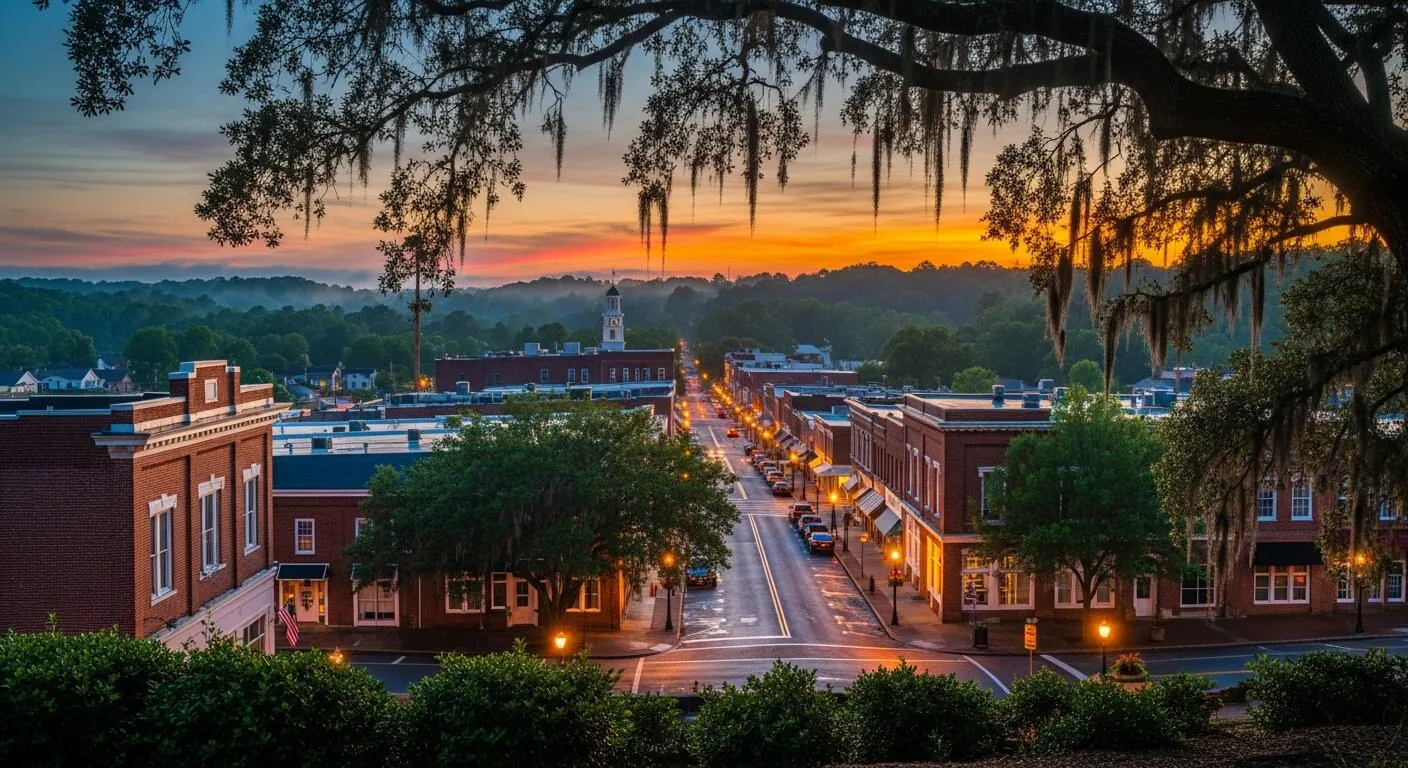
Commercial Roofing in Forest Park, GA
Forest Park counts over two thousand businesses, spread from construction and transportation to healthcare, warehousing and support services. A warehouse with loading docks and a clinic with exam rooms have almost nothing in common below the roof. Above it, the same few mechanisms decide the work: seam movement, corner pressure, ponding and the wet boundary. The city's economic-development department works on the Gillem Logistics Center, the Main Street District and commercial development in other strategic areas.
Building use comes first. The roof zone above it comes next.
Building use: warehouses, docks and the Gillem district
Logistics buildings tend to carry large flat roofs with few drains for their area. Dock doors line one or two walls. Trucks and forklifts own the ground below. A crew works around them.
Part of the Gillem Logistics Center holds a major Army facility. Roofing on or beside federal property follows gate, escort and badge rules set by the installation, and we plan for that before a start date is named. The steps run in a fixed order: access request, delivery clearance, escort and work hours.
On private logistics roofs, the loading schedule sets the work. We tie each phase to it and name the staging route away from truck lanes.
Access hatches and roof ladders sit at dock ends or inside mechanical rooms. We confirm which one is live and who holds the key. A hatch blocked by pallets costs a morning. The access log names the route, the key holder and the hours.
Roof mechanism: seams, ponding and the wet boundary
Single-ply seams move with every hot afternoon. A seam that opens at a cross joint lets water in at the lowest point of the nearest pond. Ponding adds weight and stress. The wet boundary spreads through the insulation.
We probe seams and map ponding on the first walk. A moisture survey draws the wet boundary. The repair line follows the survey. Dry board stays. Wet board comes out. This is how a large roof stays tied to real damage.
Penetrations get their own check. Exhaust fans, vent stacks and conduit runs are all openings. Each needs a boot or curb in good condition.
Corner pressure deserves a separate look. Wind peels a roof from the corner first. Fasteners at the perimeter carry more load than the field. We probe them at every corner and along the edge. Loose ones get replaced. Weak sections get extra rows before the next storm season.
Drains get the same attention. A bowl packed with debris turns a repair into a ponding roof. We clear them and photograph the outlet.
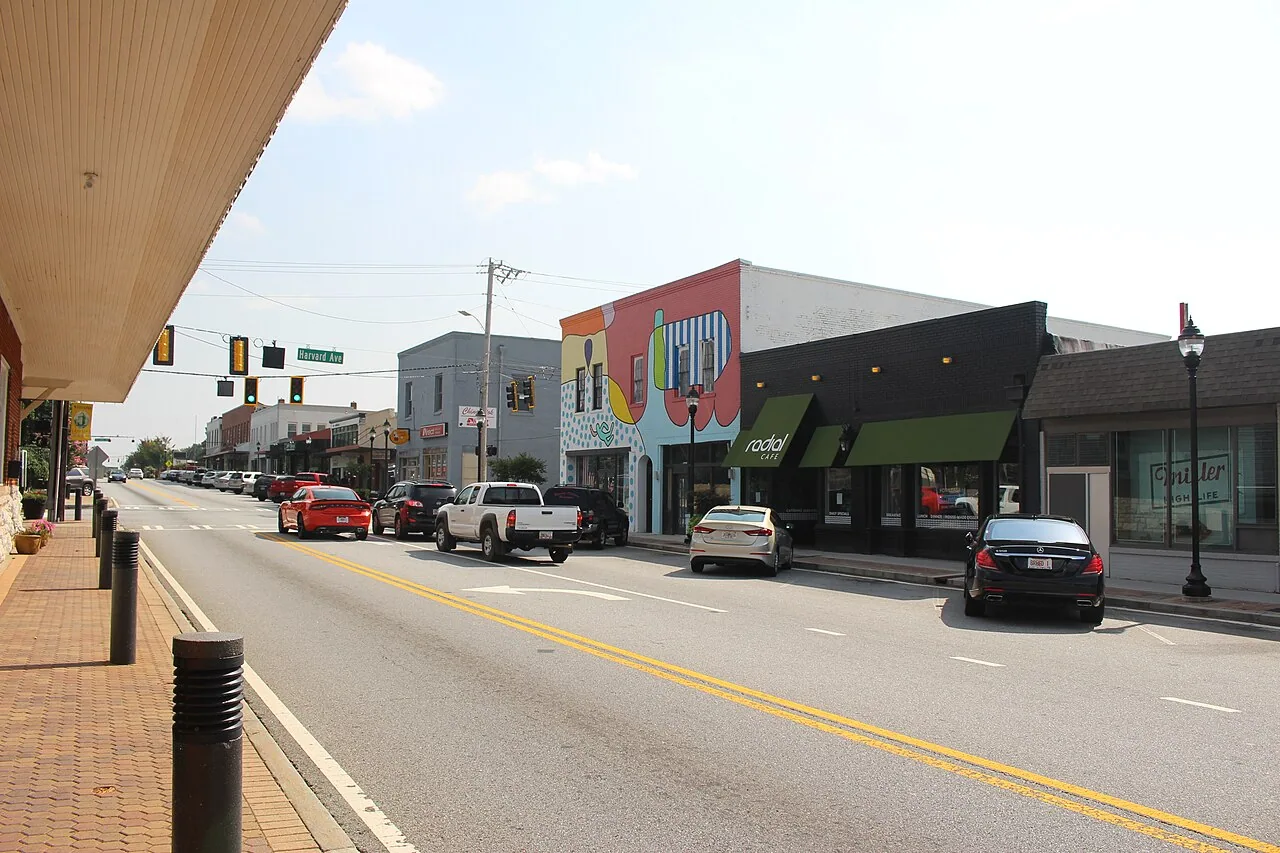
Wind, hail and tornadoes across the metro
Across the weather service's Peachtree City warning area, damaging wind arrives in every month, about nineteen days a year. Large hail adds about seven days a year, with April on top. Tornadoes are logged all year, mostly in spring. Nearby South Fulton recorded an EF-2 tornado in March 2018.
Those are regional counts, and they set the inspection calendar. Once a storm passes, the first walk compares the roof against the last photo set. Edge metal and the fastener line go first, because corner pressure acts there before the field.
Debris is part of the storm record. Loose gravel, tree limbs and sheet metal from neighboring buildings puncture membranes. We look for punctures and scuffs after each event and patch them before water finds the insulation.
Heat and humidity on a big dark roof
NOAA calls Georgia summers long, hot and humid, and its Atlanta average is about seven days a year over 95 degrees. A dark membrane on a big roof absorbs it all. Sealants harden. Seams relax. Flashing shrinks.
Humidity stretches cure times and leaves dew on the deck. Wet surfaces cannot take adhesive. Tie-ins go in after the deck dries and before the afternoon storm cell. A coating restoration over dry, sound board can cut surface heat on an aging roof.
Surface temperature drives the slow failures. Check seams at the end of a hot week. Look for chalking, shrunken wall flashing and cracked pitch pockets. Log each by zone with a photo and a next step.
Healthcare and Main Street buildings
Clinics and offices need the protected-rooms list first. Exam rooms and records rooms get a dry-in plan and a stop condition. Unit shutdowns are named by unit and hour.
Where Main Street buildings stand close together, shared walls carry water from one roof to the next. Parapet caps and counterflashing get the first look. Access is tight and sidewalk traffic is real. We mark the staging spot and the detour on the plan. Our medical office roof and distribution center roof plans follow the same sequence.
Support and service businesses can occupy flex space. Offices sit in front. Storage sits behind. One roof covers both. The rooms below have different tolerance for noise and dust, so the plan splits the roof the same way. Office sections get the quiet hours. Storage sections can take the loud work earlier.
Scope options: repair, recover or replace
Logistics owners usually weigh three paths. A repair works when the field is sound and one detail failed. A recover works when the board below is dry. A replacement is the answer when wet board runs across zones. Price moves with area, insulation depth, penetrations, access and the operations underneath.
The 2015 IECC with Georgia supplements is still the state's energy code, and the 2024 IBC with Georgia amendments sits in the state minimum standard codes. Confirm what the local permit office enforces before the specification is final.
Timing for a large project starts with lead times. Insulation, cover board and membrane are ordered to the final plan. Schedules carry weather holds because afternoon storms are common in summer. The scope sheet fixes the order of sections and an allowance for weather holds.
Ponding gets its own line. If the roof holds water, tapered insulation or added drains are priced as options. Water left on a membrane shortens its life.
Send the plans and the access window
How does a dock schedule change the roofing plan?
A crew can only open a section when trucks are clear of it. We tie each phase to the loading calendar, name a staging route away from truck lanes and keep a dry-in limit for every section.
What changes on a roof near federal property?
Gate, badge and escort rules set the start date and the crew size. We plan the access request, delivery clearance and work hours first and write them into the schedule.
Why map the wet boundary on a large flat roof?
Because cost follows damage. A moisture survey shows which board is wet. The repair line follows it. Dry board stays in place.
When is the best time of day for tie-ins in summer?
Morning, once the deck dries. Humidity stretches cure times and afternoon storm cells arrive quickly. We finish tie-ins early and secure open areas before the afternoon.
What does a storm report change in the plan?
It adds a check. We walk the roof, compare it with the last photo set and log each change by zone. A clean result goes in the record too.