
- Home
- Occupied Building Reroofing
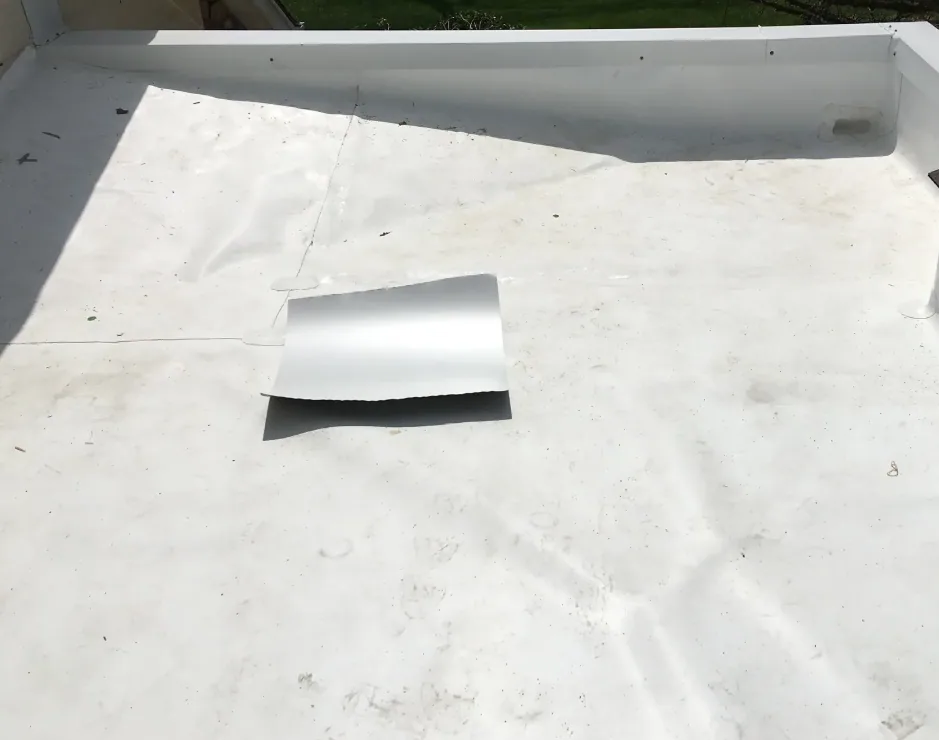
Occupied Building Reroofing in South Fulton, GA
Tenants do not stop for a roof. A shop opens at nine. A call center runs shifts. A dock receives trucks until late. The roof overhead has to be torn open anyway, and the plan has to let both things happen. In South Fulton, GA, afternoon storms arrive in every season, so a roof left open at five o'clock is a risk. We split the job into sections small enough to close each day, protect the space below, and tell the people inside what to expect. The GC gets one schedule that covers both the roof and the occupants.
Building use: who sits below the work
By the merchants association's count, roughly 500 establishments sit along the Old National Highway corridor, and the city calls Roosevelt and Old National highways established business districts. A strip center there may house many tenants under one roof. Each has hours, deliveries and sensitivities. A restaurant cares about odor and falling debris. A clinic cares about dust and noise. A shop cares about the entrance.
Business services such as back-office and customer-care centers are named by the development authority as an emerging sector. A space like that runs on shifts, and any work above it has to respect them. Industrial and flex tenants care about dock access and floor clearance. The plan lists every tenant by area, so each gets the protection that fits, and a tenant who joins or leaves mid-project is added to or dropped from the notice list.
Roof mechanism: what opening the roof does
Tear-off exposes the deck and insulation. Debris, dust, adhesive vapors and noise travel through the structure. Fasteners driven through the deck can poke into the space below. A rainstorm during the open period soaks the exposed layers, and water reaches the interior within minutes if the deck has gaps.
A recover has fewer effects, since it keeps the old membrane in place. It still brings fastener noise, adhesive odor and the weight of new materials. The choice between recover and replacement depends on moisture and the existing layers, and tenant impact is a cost to weigh. The recover and overlay route can cut disruption when the roof qualifies. A full replacement is the answer when insulation is wet or the stack has failed.
Summer heat matters too. Atlanta clears 95°F on about seven days a year, and a hot deck under a tear-off warms the space below. The plan accounts for air handling and shade.
Inspection findings: the tenant-impact survey
Before pricing, we walk the interior as well as the roof. We note ceiling types, fixtures, sprinkler lines, ductwork, sensitive equipment and stock under each roof zone. We measure how far below the deck the ceiling sits and what protects it. We list entrances, exits and loading doors in the work area.
On the roof, we check the access route, the staging area, the fall-protection needs and the drain plane. We test for moisture so we know how much tear-off is truly needed. The survey ends with a map that overlays tenants on roof zones. Each zone gets a sequence number, a close-in point and a protection list. The map is the working document for the GC and the property manager. A multi-site roof program uses the same map format across buildings, so a manager with several properties reads each plan the same way.
Scope options: phasing, hours and protection
Phasing is the main lever. We divide the roof into sections sized to what a crew can tear off, dry in and close in a day. Sections near sensitive tenants go at the quietest time. Noisy phases, such as fastening and tear-off, land outside tenant peak hours. Odorous work is scheduled with air handling adjusted.
Interior protection covers the rest. Plastic and board over equipment and stock. Ceiling protection below tear-off. Overhead canopies at entrances in the work zone. A debris chute to a container that is not blocking an entrance. Daily cleanup of the lot. For the public, signs mark the zone and any alternate entrance. Each measure is priced as a line, so the owner sees what tenant protection costs and can weigh it against a faster schedule.
Tenants get written notice. It names the dates for their zone, the hours of noisy work, any odor and the contact for questions. A first notice goes out ahead of mobilization, and a short update follows when the plan changes.
Access and sequencing: the daily close-in
Each day follows the same rhythm. In the morning, the crew checks the forecast, confirms the section and sets up protection. During the day, tear-off, deck repair, insulation and membrane go down in order. By the close-in point, the section is watertight, with flashings sealed and temporary terminations tied into the existing roof. The crew sweeps, photographs and logs the section, then removes protection that is no longer needed.
If a front approaches, the close-in moves earlier and the section shrinks. The crew keeps a stock of temporary materials on the roof for sudden weather. Calls are answered around the clock, holidays included, so a tenant who sees a drip at night reaches a person who can act. Emergency response and the planned work share one log, which keeps the GC informed.
Timing: season, storms and tenant calendars
NWS climatology reports damaging thunderstorm winds in every month and about 19 damaging-wind days a year, with large hail peaking in April and tornadoes most common from March through May. A reroof that runs through spring plans for weather holds, so the schedule carries float. Retail tenants may ask to avoid the holiday shopping stretch, and logistics tenants may ask to avoid peak shipping. We set the calendar with the property manager at the start.
Permit stops follow the 2024 IBC with Georgia amendments, in force in South Fulton since January 1, 2026. Permit and inspection stops are placed in the schedule so a tenant is not surprised by a halt. The same applies on Roosevelt Highway. For property managers, the property management view of the job is one schedule, one budget and one set of tenant notices.
Send the tenant list and the access window
Can tenants stay open during a tear-off?
Most can, with phasing and protection. Sensitive uses such as clinics or labs may need quiet hours or temporary relocation of a few rooms. We map each tenant to a roof zone and recommend the schedule that fits. If a use cannot tolerate the work, a recover or a night schedule may be better.
What if it rains while the roof is open?
The plan is built to prevent that. Sections are sized to close the same day, and the forecast is checked before each start. If weather turns, the section is closed early with a temporary seal. We keep temporary materials on the roof for sudden changes and answer calls around the clock.
How are tenants told what is happening?
With a written notice before the work starts and short updates as zones change. Each notice names the dates, the noisy hours, any odor and the contact. The property manager receives drafts and distributes them. A posted sign marks any entrance changes.
Does a recover really cause less disruption?
Often, since there is less tear-off, less dust and a shorter open period. It still has noise and odor from fastening and adhesives. A recover only works when moisture tests show dry insulation, so the survey comes first. If the roof does not qualify, replacement with good phasing is the right path.