
- Home
- Old National Highway Corridor
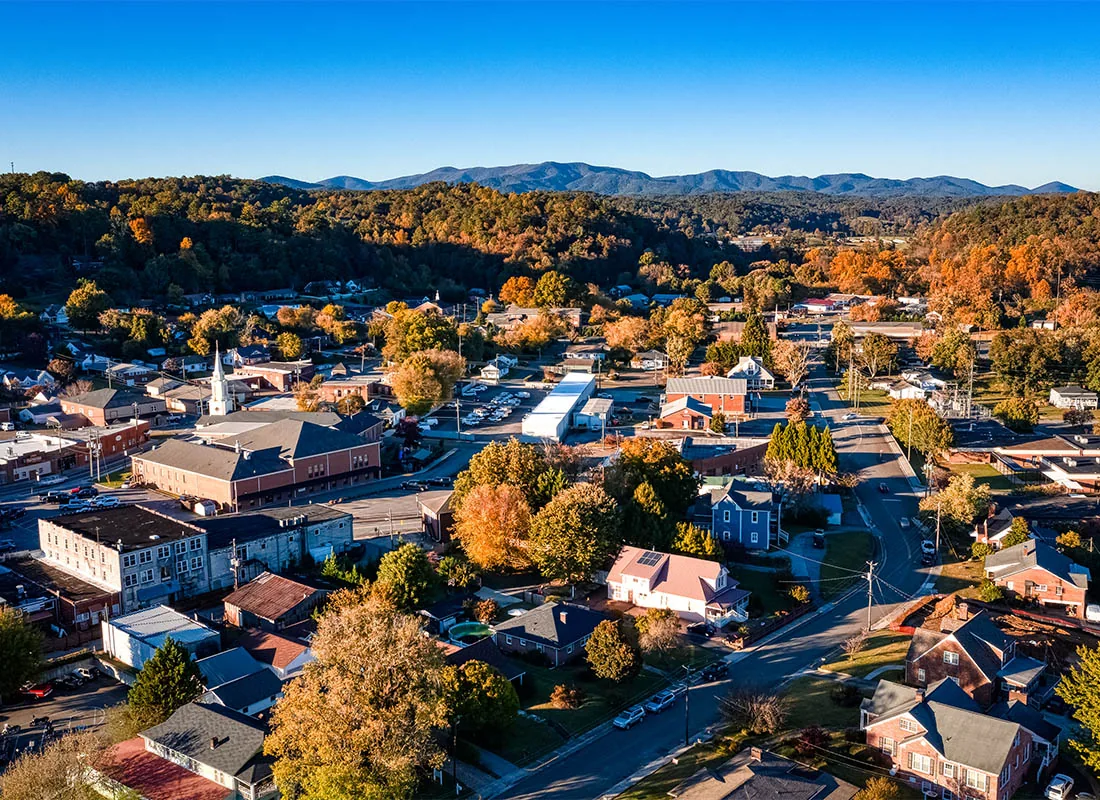
Commercial Roofing in Old National Highway Corridor, South Fulton, GA
A corridor is many small decisions made by many owners. The Old National Merchants Association identifies Old National Highway as Georgia Highway 279 and describes roughly 500 establishments along it. South Fulton's economic-development plan treats the corridor as a multi-node commercial redevelopment district with three focus areas. Old National is one of the city's two Main Street districts, with a city economic-development manager assigned to it. With that many businesses, one storm can put many owners on the phone at once. We keep the corridor file in triage order: use, roof zone, mechanism, then order of work.
Building use: retail, service, auto and food on one road
A highway corridor of that size mixes uses. Food service, auto service, strip centers and clinics are the usual neighbors on a road like this. Each has a different roof problem.
Auto service roofs carry exhaust and fumes. Shop doors open to heat and dust. Restaurant roofs carry grease. Strip centers carry many curbs. Clinics carry air handlers over patient rooms.
Each building along the road gets its own read. Layers show at a test opening, and water shows on a moisture scan.
Gas canopies and drive-through lanes add roofs that are easy to overlook. A canopy roof sheds water from a large span. Its drains are small. Its fasteners see wind. We check both. A canopy that leaks drips on customers and pumps.
Where a clinic or pharmacy sits on a road like this, interior moisture means mold risk. We treat that roof as high priority and dry it in first.
Storm triage: which roof first
After a big storm, calls pile up. Not every call is equal. Active water over stock or patients goes first. Open membrane goes second. Cosmetic damage goes last.
We triage by phone. Where is water? What is below? Is anyone at risk? How do we reach the roof? Those answers set the order. A crew with tarps and sealant goes to the active leaks. A second pass documents the rest.
Our emergency roof repair response answers around the clock, holidays included. The first step is a dry-in. The permanent plan follows once the roof is dry.
Follow-up is the second half of triage. Every temporary repair gets a recheck date. We list the tarps, patches and sealed openings on the roof. We return before they fail. The permanent repair is scheduled once the deck dries and the weather allows.
Insurers want order. Our roof insurance claim assistance records separate the storm damage from older wear. Photos are dated. Measurements are logged. Temporary materials are listed.
Access notes ride with each call. Roof hatch, ladder, key holder, lift clearance. A manager who has those ready saves the first hour. We keep them in the corridor file for repeat sites.
Photos from the street help too. A wide shot of the building and the roof edge tells us what equipment we need before we arrive.
Wind, hail and tornado record for the metro
The metro warning office logs damaging thunderstorm winds in every month; the yearly average is about 19 days. Large hail favors April and falls on about a week of days each year across north and central Georgia. Tornadoes happen in all months, with March through May the busiest.
Any one building may escape a given season. That is still a reason to keep a baseline. A dated photo pass before March lets a later pass show new damage. A storm damage review compares the two.
Timing for repair follows the weather. Humid air slows adhesive cure. Welds need dry sheet. We schedule those steps for early hours and keep a backup day. If rain moves in early, we close to the last dry-in point and stop.
Corridor program: one format for many owners
Owners on a corridor often act alone. A merchants group can share information, not roofs. We offer a common record format that any owner can use. The same fields. The same photo sequence. The same ranking of findings.
For an owner of several buildings, a multi-site roof program sets the schedule. It lists each building, its roof type, its last pass and its next action. Worst roofs go first. Sound roofs stay on maintenance.
The format helps a seller too. A buyer who reads a dated record prices the roof with fewer guesses.
Cost drivers do not change between buildings. Area. Wet insulation. Penetration count. Lift access. Work hours. The proposal lists each. An owner sees why one building costs more than another.
Old National is a Main Street district with a city economic-development manager assigned to it. A roof record that lists open items with dates gives an owner something concrete to bring to that conversation.
Roof mechanism: details fail before fields
On small commercial roofs, details fail first. Cap joints open, curb corners split, and boots crack. Scuppers end up above the sheet, and drain bowls clog. The field often stays sound.
Heat speeds the wear. Summers stay humid, and about seven days a year push Atlanta past 95 degrees. Sealants harden. Rubber cracks. A late-summer walk finds the damage before fall storms.
Terminations get pressed and laps get probed. A pour of water tests each drain, and each run of edge metal is checked for play. Repairs start at the detail. A commercial roof repair at a curb or a cap is a small cost.
Moisture scans catch what walking misses. A scan on a dry afternoon maps wet insulation as a heat pattern. A few cores confirm. The map sets the repair boundary. It also sets the order for a program: wet roofs rise to the top.
Access and sequencing: open lots on a busy road
Corridor lots are tight. Customers park near the work. Deliveries arrive on schedule. Traffic on the highway is fast.
We stage inside the lot. Only the stalls we need are closed, and a marked path runs past the work. Lifts stay clear of drive aisles. Loud steps run before opening or after close.
Each night the roof is closed in. Materials are covered. Tools are secured. The dry-in limit is stated each morning.
Fire lanes and loading zones stay open. Utility lines overhead limit lift position. We call for locates before setting outriggers. Pedestrian paths stay marked. A spotter guides trucks in and out of the lot.
Send the address, tenant hours and any leak dates
What should an owner send to get on a corridor inspection list?
Send the address, roof plan if you have it, tenant hours and a contact. We recommend adding any past leak dates. With those, we schedule a baseline pass before March.
How do you rank calls after a storm?
Active water over stock or people first, open membrane second, cosmetic damage last. We recommend sending photos of any stain with the time.
Can a merchants group share roof records?
It can share the format, not the roofs. We recommend each owner keep a dated packet, so a buyer or lender can read it.
Why do details fail before the field?
Details move with heat and wind. Sealants harden. Boots crack. We recommend two walks a year, spring and fall.
Can a storm report establish roof damage?
No. A storm report describes weather over a region, not one roof. We recommend a dated pass within weeks of the event, with photos and a moisture scan.