
- Home
- Military Hangar and Maintenance Facility Roofing near South Fulton, GA
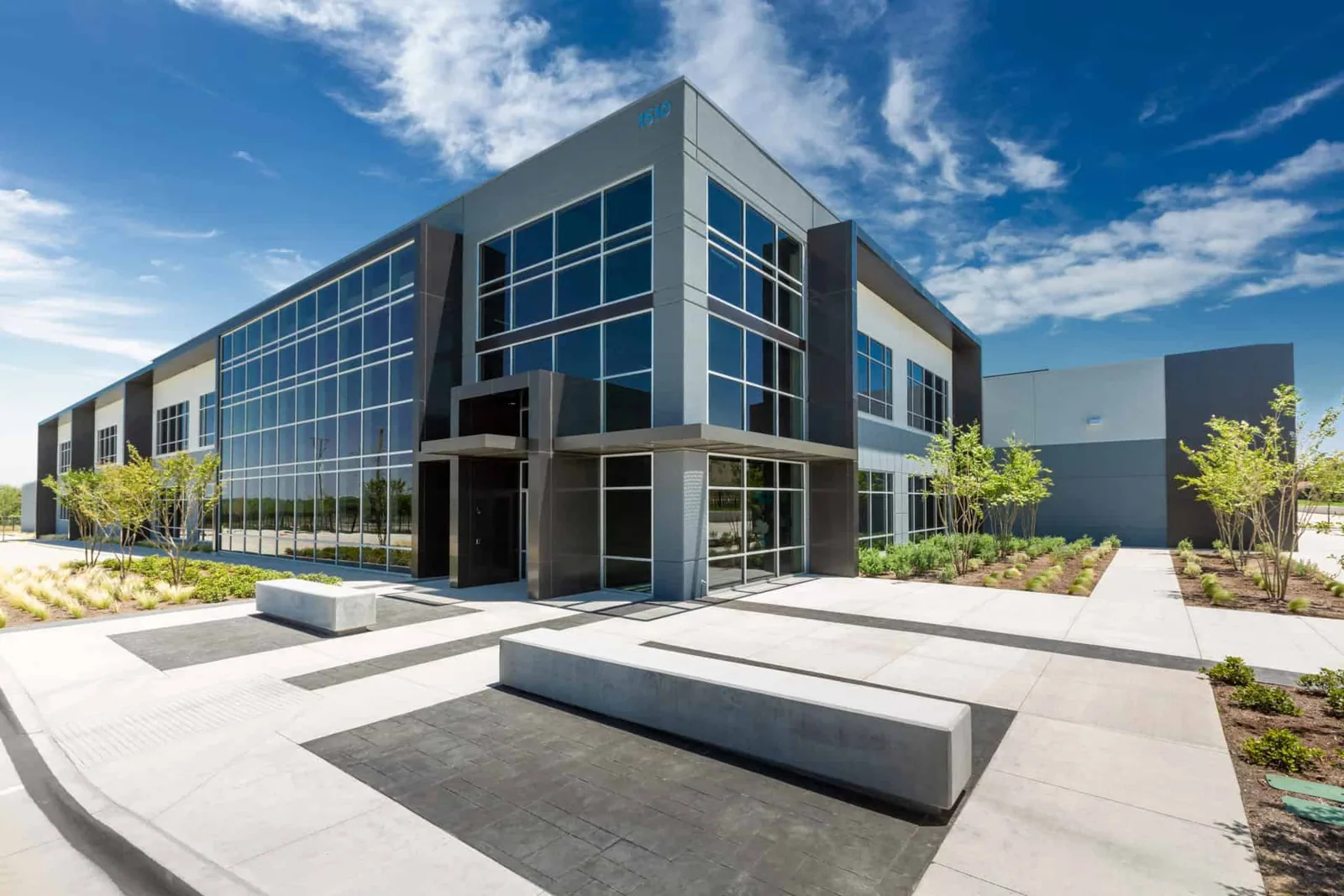
Military Hangar and Maintenance Facility Roofing near South Fulton, GA
A hangar roof covers a room with no columns. The span is long. The doors are tall. The aircraft inside are worth more than the building. That use changes the roof sequence in three ways: how debris is controlled, how fire protection is kept in service and how far the deck can flex. Near South Fulton, GA the flying mission is at Dobbins Air Reserve Base, some 23 miles from South Fulton, to the northwest, measured straight. Its 94th Airlift Wing operates eight C-130H3 cargo aircraft, and that active flying mission is why hangars matter in this market.
Maintenance shops and support buildings sit beside the hangars. They have ordinary roofs with unusual rules.
Debris control: why loose material is a safety issue
On an airfield, loose objects are hazards. A dropped screw, a scrap of membrane or a gravel piece can be drawn into an engine or a tire. Roofing sheds material by nature. Crews cut, fasten and clean up. The plan has to treat every scrap as an object that must not leave the roof.
Set the controls before mobilization. Magnet sweeps at the end of every shift. Covered debris chutes. Fenced staging with no gaps. A count of fasteners in and fasteners out. Tarps tied down in wind. Name the person who signs the sweep. Roof edges next to ramp areas get extra attention, since wind carries light pieces a long way.
Weather ties into debris control. A gust that lifts a loose sheet can carry it across a ramp. The rule is simple: if it can blow, it is tied down or it is inside. Material is staged in closed containers, and the roof is cleared of loose items before any forecast storm. The crew lead checks the forecast twice a day and logs it.
Roof mechanism: long spans, deflection and ponding
Long-span framing moves. Trusses and joists deflect under load and temperature. The deck above them dips between supports. Water collects in those dips. Ponding adds weight, stresses seams and wets insulation. A pond that stays for days after rain is a finding with a measurement: depth, area and position.
Mark where the drains are and where the low points are. They often do not match. Tapered insulation, a new sump or a second drain may fix it. Check the structure first. A roof near its design load cannot take added dead weight. Ask for the framing drawings and compare.
Doors and walls are part of the roof story. A hangar door pocket, a tall wall and a roof edge meet at a corner that takes wind from several directions. We photograph that corner from several angles and record the flashing and the edge metal in detail. Water that gets in there runs down into the one place nobody wants it.
Fire protection: keeping the system in service
Many hangars have fire suppression systems overhead. Roof work above them cannot damage piping, detectors or release devices. Hot work needs a permit and a fire watch, and in some buildings it needs the suppression system impaired and restored with documented steps. That is a decision for the facility's fire officials, not the roofer.
Write it into the sequence. List which systems sit below which roof zone. List who isolates them and who restores them. List the hours they are down. A roof opening above a system that is out of service is a closed roof or it is not allowed. We never touch the system. We schedule around the people who do.
Heat sources are mapped too. Torches, kettles and heat guns each need approval. Where open flame is barred, cold-applied, adhered and mechanically attached systems come first. Welded thermoplastic seams use hot air and still need a permit in many buildings. Check with the fire officials before the system is chosen.
Access: flight-line rules, escorts and lift limits
Flight-line work follows airfield rules. Workers are badged or escorted. Vehicles stay on marked routes. Lifts and cranes may need approval for height, and some areas bar them during flight operations. Aircraft movements can close a work area on short notice.
Ask for the rules in writing. Ask about quiet hours, taxi routes and tow paths. Ask where a dumpster can sit. Put the answers in the access log. If a ramp closes, the plan has a fallback task for the crew. Idle crews cost money. A sequence with a fallback does not.
Maintenance facilities beside the hangars use ordinary roofs and extraordinary rules. Fume hoods, parts washers and paint booths vent through the roof. Each discharge point is a penetration that stains or softens some membranes. List them, photograph them and match the membrane to what they release.
Timing: heat, humidity and the spring storm peak
The region runs hot and humid through summer. Atlanta sees roughly a week a year above 95 degrees, enough to shorten the safe day on a dark roof. Spring brings the storm peak: hail most often in April, tornadoes concentrated in March through May. South Fulton itself saw an EF-2 tornado in March 2018.
Wind matters more on a hangar than on most buildings. A long, tall roof catches pressure at its edges. Check the corners and the fastener line first, because wind damage starts there. The forecast office counts damaging gusts in every month. Set the dry-in limit for each open section and name a storm contact. Hail and wind findings are logged by roof zone, with dated photographs.
Scope options: repair, restore, recover or replace
Local faults on dry board call for repair. A dry roof with a worn surface may take a coating. A roof with sound board and a tired sheet may take a recover. Wet insulation takes replacement of the wet zone. The moisture scan and test openings decide.
Nothing about a hangar roof is assumed. The drawings and a test opening show the layers. Compare the existing stack with the proposed one. Note the deck, fastener line, insulation and transitions. Then price. A moisture survey comes first on any large hangar roof.
Cost drivers are plain. Span length drives lift size and sheet length. Wall height drives fall protection. Sweeps add labor each shift, and access limits cut working hours. Each line is priced alone, so the GC sees what airfield rules add.
Send the roof plans and the flight-line rules
Why does debris control matter more on a hangar roof?
Loose objects near aircraft can cause damage and injury. Magnet sweeps, covered chutes and a fastener count are written into the plan, and the person who signs each sweep is named.
Who handles the fire suppression system during roof work?
The facility's fire officials. We schedule around them and never touch the system. The plan lists which systems sit below each zone and the hours they are down. Get those hours in writing.
Does a flying mission tell you the roof type?
No. The 94th Airlift Wing's C-130 mission shows that hangars matter here. It says nothing about a membrane or a deck. Drawings and a test opening do.
How is ponding on a long-span roof handled?
Measure it first: depth, area and position. Then check the structure. Tapered insulation, a sump or a second drain may follow. A roof near its design load cannot take added weight.
What happens when a ramp closes mid-shift?
The crew moves to a fallback task planned in advance. Idle time is the costly part, so every access plan carries one.