
- Home
- Fairburn Downtown Historic Commercial District
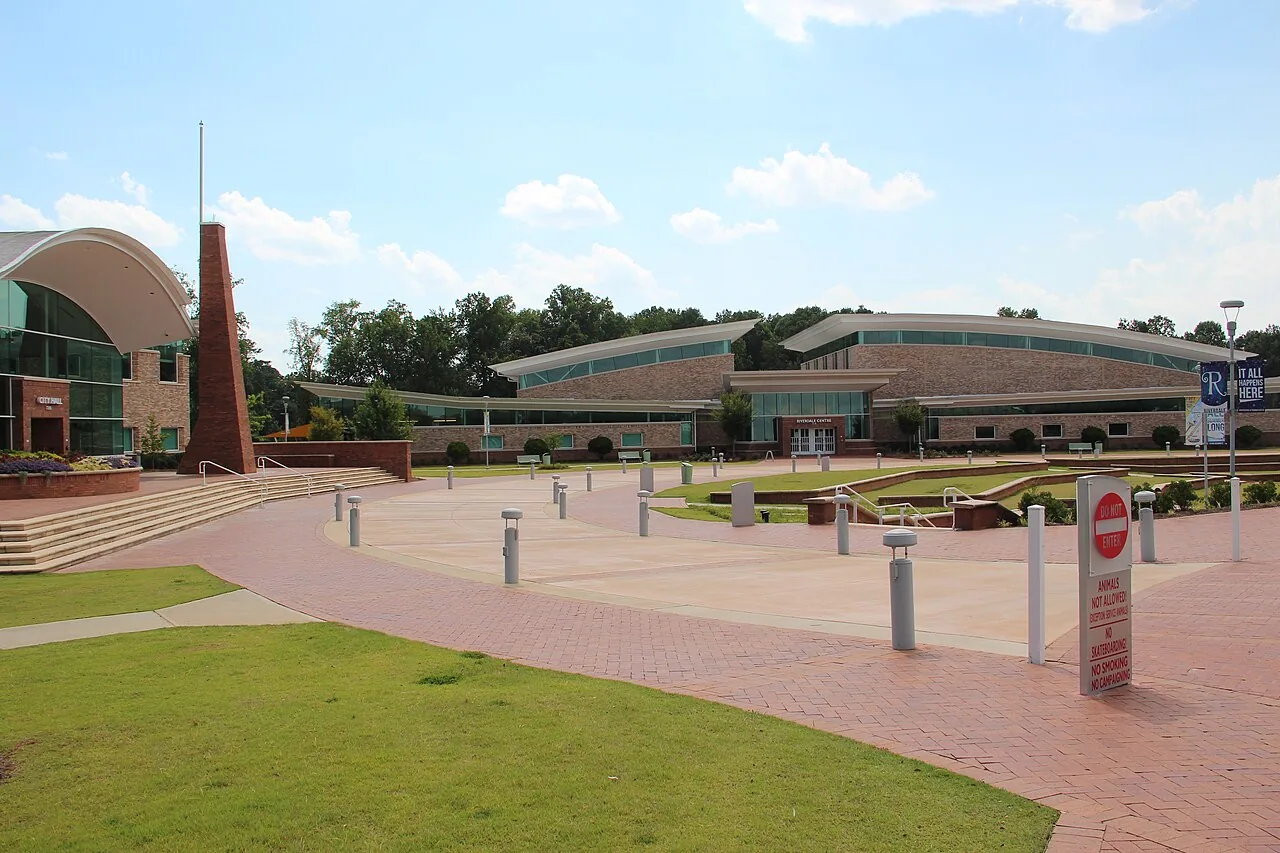
Commercial Roofing in Fairburn Downtown Historic Commercial District, GA
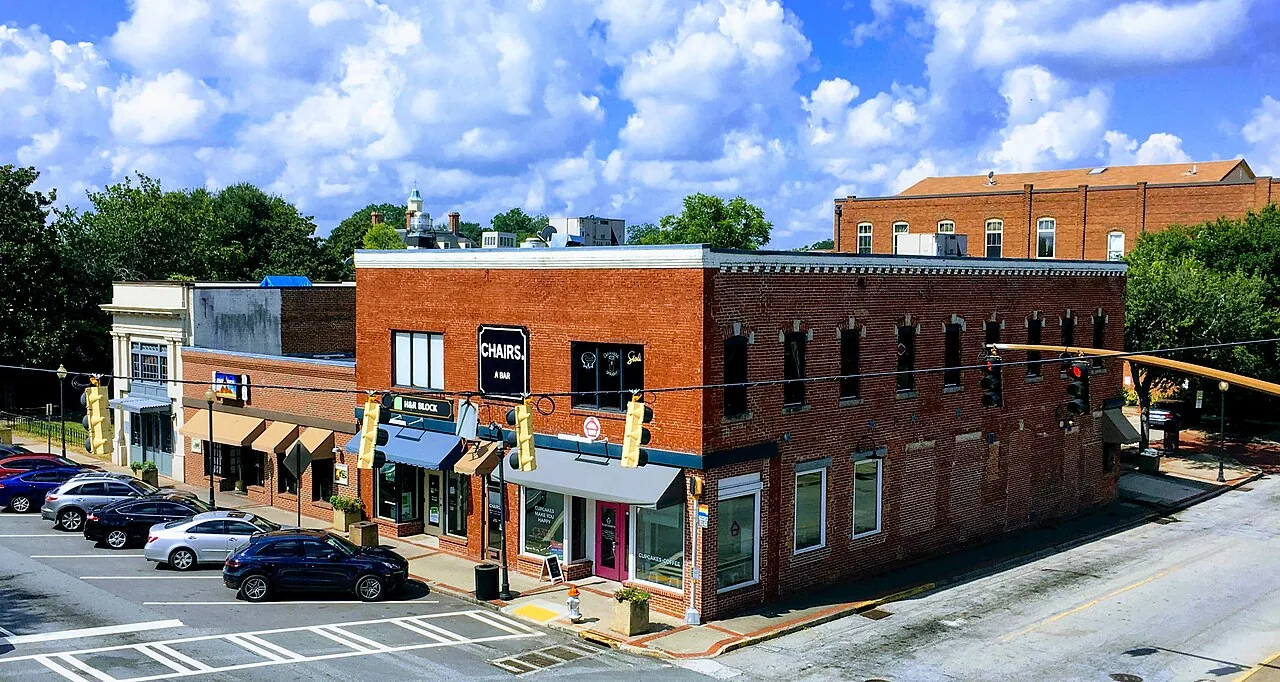
Behind the street face of a listed historic district, the roof still has to work. Fairburn's downtown is a listed Commercial Historic District centered on West Broad Street and the railroad-associated blocks. The Main Street program seeks to revitalize downtown as a business and retail district with pedestrian-oriented infrastructure, and the city identifies downtown as an emerging destination for development, arts, and entertainment. The first entry in a roof record is the building use and the zone above it.
A shop, a studio, a restaurant, and an event space each want something different from the same kind of roof. Parapets and shared walls set the rest.
Building use: storefronts, studios, and event rooms
We do not assume a building's age, structure, or roof type from its address or its look. A listed district can hold buildings of many eras and many repairs. We ask the owner what the building holds, how it is used, and what paper exists. Then we read the roof.
Use sets the priority. A retail storefront needs a dry ceiling and an open door. A restaurant needs exhaust management. An arts or event room may host crowds, so water over seating or staging is both a repair and a safety issue. A mixed-use building may have a tenant above. We rank the roof zones by what sits below them and by who is hurt first if water gets in. The ranking goes on the first page of the report, so an owner who has only a few minutes sees the urgent items first. Lower-priority items follow in order, each with a photograph, a location, and a suggested window for the repair.
Roof mechanism: parapets, shared walls, and slow water
Where a downtown roof is flat behind a parapet wall, it drains through scuppers or interior drains. Where two buildings share a wall, the flashing at the joint has to move with both. A parapet cap that has lost its slope holds water against the wall. A scupper set above the sheet leaves a lip where water stands. Water finds a mortar joint and travels.
Heat and humidity make the problem slower and steadier. Summers are long and humid, and Atlanta's record counts about a week of 95-degree days. Moisture sits in a wall cavity for weeks. The stain below may appear long after the entry point has dried. We trace upslope, probe flashings, and test with a hose in short sections. The entry point is rarely where the stain is. That is why a patch placed over a stain so often fails. The water was entering a few feet away, and the patch only moved it. A trace that follows the water from the stain back to the opening costs an hour and saves a second visit.
Inspection findings: the details that leak
On a downtown flat roof we check four details first. The parapet cap and its slope. The wall flashing and its termination. The scupper and its liner. The drain bowl and its strainer. Each gets a photograph and a roof-plan mark.
We also probe the wall for soft mortar, check coping joints, and look at the roof edge facing the street. Anything visible from the sidewalk gets recorded with extra care, since any change there may touch a preservation question. We photograph the street face before and after, and we match new metal to the existing profile and finish unless the owner and any reviewer agree on a change. Fasteners are chosen to avoid staining or marking the visible face, and sealant colors are matched on a sample before the run is installed. Where board may be wet, an infrared moisture survey maps the area. A drain and scupper repair is often the first and cheapest fix on a downtown roof.
Scope options: repair in kind, restore, or replace behind the parapet
The scope starts with a question: what can stay? Repair in kind keeps existing materials and details and fixes what failed. A coating restores a sound membrane and leaves the visible parts untouched. A replacement strips the flat roof behind the parapet and rebuilds it, with new flashing tied into the existing walls.
Moisture sets the boundary. Dry board keeps repair and restoration open. Wet board forces a larger scope. A modified bitumen or a single-ply sheet is a common replacement behind a parapet, chosen for how it handles wall tie-ins and tight spaces. We list each option with its effect on tenants and on any exterior element a preservation reviewer might care about.
Access and sequencing: sidewalks, rail blocks, and open doors
A downtown with pedestrian-oriented infrastructure means people on the sidewalk. Tear-off over a walk needs covered chutes or enclosed hoists, barricades, and a spotter. We plan the closure with the GC and the city before the crew mobilizes. Deliveries come in small loads at quiet hours, and the dumpster takes the smallest footprint the street allows. Where a street closure is needed, the permit date goes on the schedule early.
Tenants stay open. Noise windows, entry paths, and fume checks get set by tenant. The railroad-associated blocks may limit staging space and crane access, so we confirm lift reach and hoist routes on the first visit. The same approach works along the State Route 74 corridor and elsewhere in Fairburn. Owners who run a restaurant roof add grease and exhaust to the checklist.
Timing: downtown events, storms, and approvals
A downtown that is becoming a destination for arts and entertainment has dates, and a lot of foot traffic around them. Events fill the street. Roof work that closes a sidewalk should avoid them. We ask for the event calendar and set tear-off around it.
Storms set the other calendar. Weather service records show damaging thunderstorm winds in every month, large hail concentrated in April, and tornadoes mostly from March through May. Fix parapets and edges in winter, and write a dry-in limit for each open zone. If review or approval applies to any exterior element, put the review period on the schedule before the order date. Permits should cite the 2024 IBC with Georgia amendments, the statewide minimum, and the Fairburn permit office confirms what it enforces.
Send the roof plans and the downtown event calendar
Does a historic district listing limit roof work behind the parapet?
Not by itself. It raises the question of what is visible from the street. We ask the owner about any review that applies, list exterior elements in the scope, and place approval time on the schedule. A flat roof behind a parapet may have more freedom.
What leaks most often on a downtown flat roof?
Parapet caps, wall flashings, scuppers, and drain bowls. Water enters at those details, then travels. We check all four first, trace upslope from any stain, and test with a hose in short sections.
Can the shop stay open during a repair?
Usually. We set noise windows, keep the entry clear, and close each zone in before leaving. For an event room, we avoid event dates and protect seating and staging before work begins.
How do you protect people on the sidewalk?
Covered chutes or enclosed hoists, barricades, and a spotter. The closure plan is agreed with the GC and the city before the crew arrives, and the work zone is marked on the roof plan.
Which papers should the GC hand over for a downtown roof?
Drawings and loading limits, who occupies the building, the access window, and any preservation or review papers. A live leak is answered at all hours, holidays included.