
- Home
- Roof Drains and Scuppers
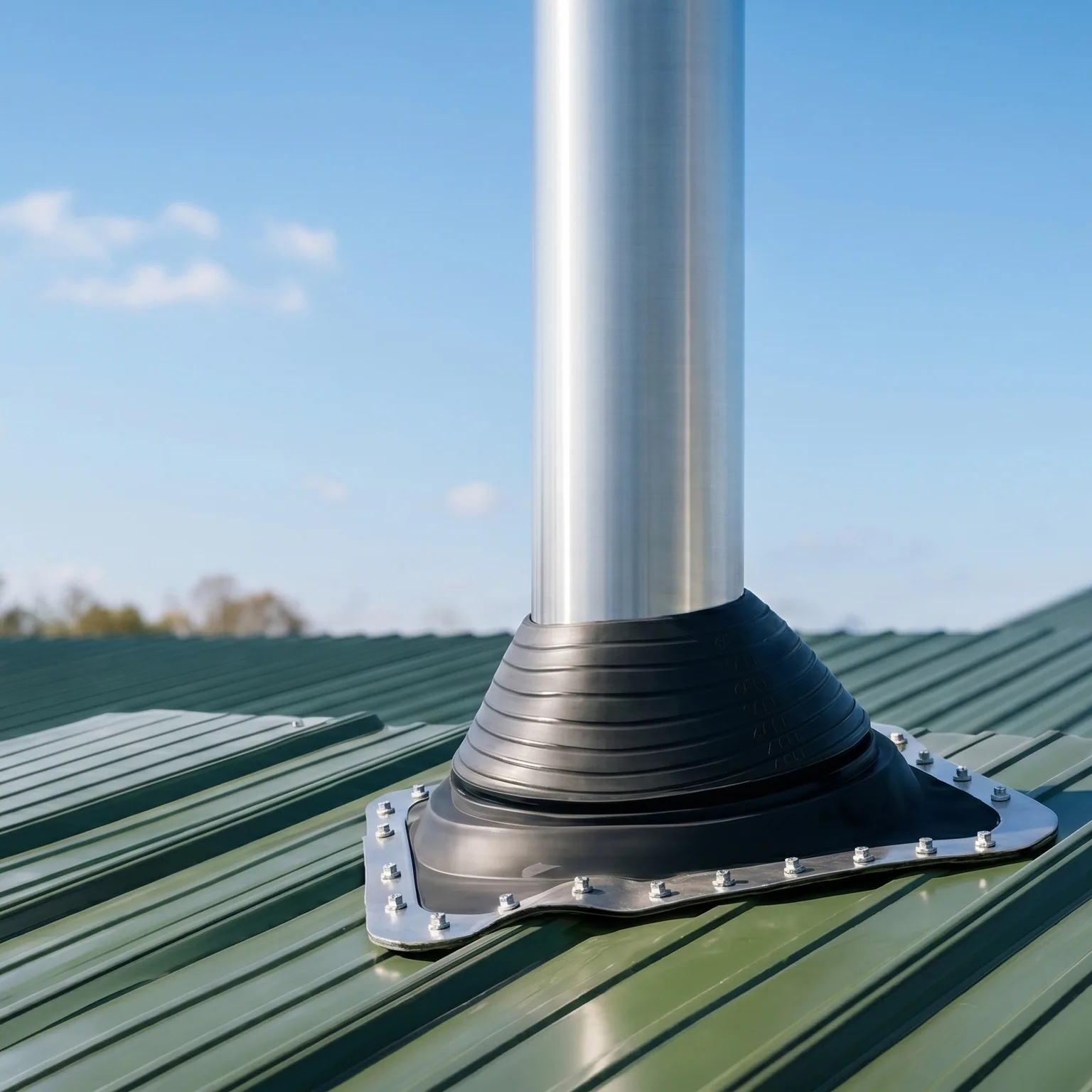
Roof Drains and Scuppers in South Fulton, GA
Water on a flat roof has one job: leave. Every roof zone needs a drain plane that carries it to an outlet. When the plane fails, water stands. In South Fulton, GA, that standing water bakes through long hot summers and meets thunderstorm winds in every month. A low spot that held an inch after a spring storm will grow into a membrane failure. We trace each drain path, test each outlet and fix the plane before the sheet pays for it.
Building use: where the water goes
Large distribution and manufacturing roofs often drain to interior drains through the building. Strip centers and office buildings often use parapets with scuppers through the wall. Flex buildings can mix both. Each layout fails in its own way. An interior drain clogs with debris and leaks at its collar. A scupper blocks and sends water back across the roof, or it spills onto a walk or a loading apron.
The city's development authority points to industrial parks, flex space and office corridors. A building in any of those categories, whether on the Oakley industrial corridor or a retail lot on Roosevelt Highway, can have several drain zones. We map each zone before any work is priced.
Drain count also tells the repair order. A roof with two drains and a pond between them has a different cure from a roof with eight drains and one pond at the far corner. The zone map shows which outlets share the load and which stand alone, so a clogged outlet can be ranked by how much roof it serves.
Roof mechanism: how ponding damages a roof
Standing water does four things. It adds weight to the deck. It ages the membrane faster, since water holds heat and soaks seams. It collects dirt that stains and eats at coatings. And it finds every small defect. A pinhole above a ponded area leaks daily instead of only in rain.
Ponding has three common causes. Drains set high leave a ring of water around them. A deck that sags between supports forms a bowl. Debris or failed crickets block flow to the outlet. Each calls for a different fix. A warm pond over a dark membrane stays hot for hours, and Atlanta's seven days a year above 95°F make it worse; seams stress and adhesives soften.
Wind can also move debris onto a roof. Damaging winds arrive in every month (about 19 days a year, per the NWS), so a drain clear in March can be blocked in April.
Inspection findings: flow tests and drain checks
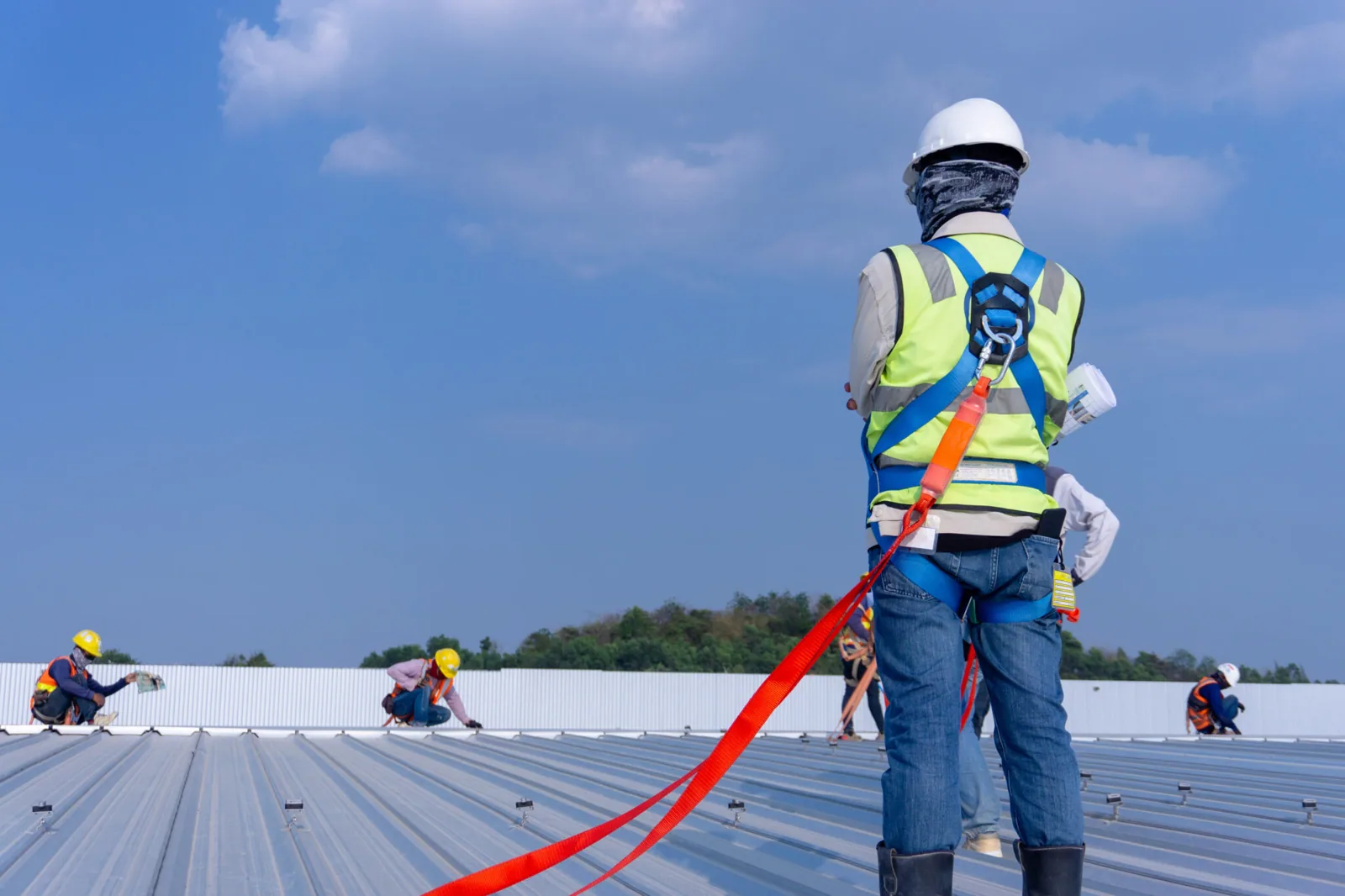
We inspect after rain, when ponds are visible, and again in dry weather with a hose flow test. First we note every drain, scupper and gutter outlet on the roof plan. At each one we check the strainer, the sump, the collar flashing and the pipe below. Cracked collars and missing strainers are common. We clear debris, photograph the outlet and run water to see how fast it leaves.
Next we look for low areas. We mark ponds with chalk and measure depth after the water is gone, using a straight edge and a ruler. A pond that is deeper than a little over a quarter inch after 48 hours deserves a fix. We note overflow scuppers too. A roof that has no overflow path turns a blocked drain into a flooded roof.
Interior checks follow. Stains near drain lines, rusted drain bodies and sweating pipes point to leaks at the roof drain. The leak repair trace follows those clues up to the roof.
Scope options: clean, repair, reslope
The mildest scope is cleaning and strainer replacement. It costs little and is worth doing twice a year as part of preventive maintenance. The next level repairs: new collar flashing, resealed sumps, replaced strainers, extended scupper throats and added conductor heads. A leaking drain body may need replacement through the deck.
The top level reslopes the roof zone. Tapered insulation builds a new drain plane over the old roof. A cricket, a small sloped saddle, diverts water around equipment or behind a curb. Adding a drain is possible where the structure allows, and it needs sizing and a permit check. Tapered systems tie into the insulation layer, so the cost depends on thickness and area. The insulation and cover board scope lists those details.
The ponding water repair option that fits is picked from the survey: cleaning for a clogged outlet, tapered fill for a shallow bowl, a new drain for a deep one.
Material choices follow the outlet. Cast drain bodies take a clamping ring and a membrane flashing. Scuppers take a formed metal throat that laps under the membrane and over the wall flashing. Downspouts and leaders need straps and joints that survive wind and ice-free expansion. Where gutters serve an eave, hangers are checked for strength and spacing, since a full gutter weighs far more than an empty one.
Access and sequencing: drains first, then everything else
Drain work comes before membrane work. A new membrane over a ponded area inherits the pond. Where tapered insulation is added, the drain sump is lowered or the drain body is raised to the new surface. The membrane then wraps the collar and the flashing is tested.
On an occupied building, drain work often requires interior access to the pipe below. We schedule that with the tenant, protect floors and ceilings, and shut off nothing without notice. Loading dock traffic can be affected where scuppers discharge, so downspouts and splash pads are planned with the site layout.
Each drain gets a number, a photograph and a flow time in the closeout file. A year later, the same hose test shows whether the outlet still clears as fast as it did.
Timing: before the storm months
Spring is the peak for large hail, tornadoes and strong winds; hail alone averages about seven days a year across the warning area. Hail and wind both feed debris into drains. Clearing before March and after the spring peak is a simple rule. A midsummer check covers heat effects and leaf drop where trees stand near the roof.
South Fulton's permit page lists the 2024 IBC with Georgia Amendments as effective January 1, 2026. Drain changes that alter roof slope or structural load are checked against that edition. Owners near the Fulton Industrial District with large decks should plan drain work as its own phase, ahead of any membrane project.
Send the roof plan and the ponding photos
How much standing water is too much?
Water that remains deeper than a quarter inch or so after two days of dry weather is a ponding area worth correcting. Shallow, short-lived puddles are common and often harmless. The deciding factors are depth, duration and what sits under the pond: seams, patches or a coating. We measure and record each one.
Do we need an overflow scupper?
Yes, on most roofs with parapets. If the main drain blocks, water rises until it finds an outlet or fails the structure. An overflow scupper set above the primary level gives it a safe exit. We check for one on every parapet roof and recommend adding it where missing, subject to code and structure.
Can tapered insulation fix a sagging deck?
It can hide the sag and restore drainage, but it does not fix a failing structure. If the deck is damaged, the repair comes first. Tapered insulation adds weight, so the structure is checked before the order. A test opening shows the deck condition and the existing layer stack.
How often should drains be cleaned?
At least twice a year, before spring storms and after summer, and after any major wind event. Roofs near trees or construction need more. A maintenance program logs each clearing with photographs so the owner can see which outlets clog fastest.