
- Home
- Camp Creek Shopping District
Commercial Roofing in Camp Creek Shopping District, East Point, GA
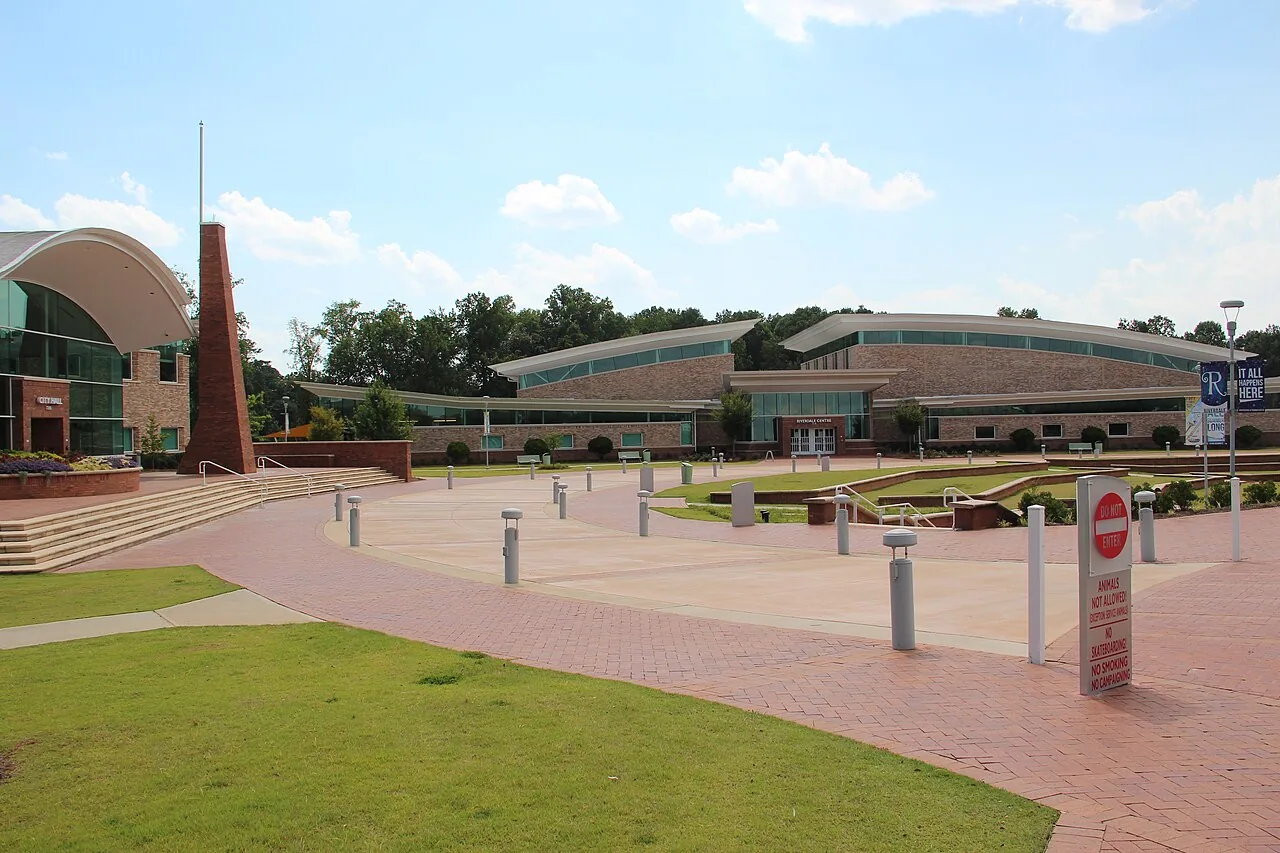
Retail on both sides of a parkway means two rows of roofs facing each other across traffic. East Point places the Camp Creek shopping district at Camp Creek Parkway and I-285, with stores and restaurants lining both sides of the parkway. Across the wider district the city counts about 1.2 million square feet of retail, in a multi-property mix of shopping and hospitality developments. A single roof plan cannot cover that mix. Each property needs its own.
Use comes first, then the roof zone above it.
Building use: shops, restaurants and hotels
A shop roof, a restaurant roof and a hotel roof can sit in the same district. They share the weather and little else. Shops need open doors and short work windows. Restaurants add grease and exhaust. Hotels add rooms that earn money by the night.
We write a separate protection plan for each use. Shops get quiet-hour limits and entrance protection. Restaurants get grease cleanup and kitchen-hours scheduling. Hotels get a room list and a noise window. One roof map per property keeps the zones clear. The general contractor sees all three plans side by side.
Hotels can bring laundry exhaust, pool dehumidification and boiler flues. Warm, wet air rises through the roof. It can soften sealant and condense under cold decks. A drip over a guest room may be condensation, not a leak. We compare the stain pattern with the weather before anyone cuts into a sound sheet.
Roof mechanism: grease, exhaust and softened laps
Kitchen exhaust throws oil onto the sheet. Oil softens some adhesives and stains the surface. A patch on a greasy deck will not bond. Laps near a fan lift at the edge first.
We find every discharge point on the roof and mark it on the plan. We clean the area with a degreaser matched to the membrane. The repair boundary clears the stained zone. A catch tray under each discharge slows the build-up. Fan curbs get a sealant check, because heat and vibration work at them every day.
Shops with food counters, bakeries and salons add their own vents. Each is another opening. Salon exhaust carries chemicals that mark some membranes. We note every vent type on the roof map and match the repair material to the exposure.
Walkway pads protect the sheet along the route technicians use. Wear lines along that route open into seams over time.
Wind, hail and heat in an open retail district
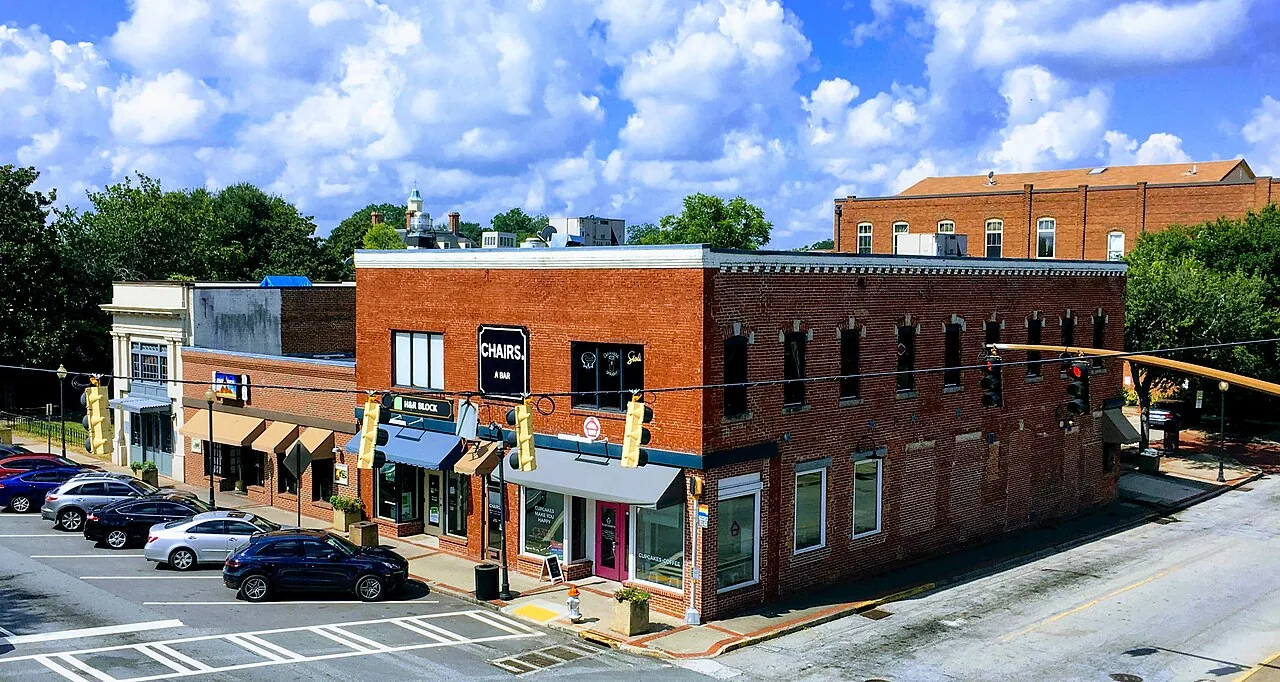
Open lots and wide roofs catch wind. The weather service reports damaging thunderstorm wind in every month in the Peachtree City warning area, close to nineteen days a year. Hail averages about seven days a year in the wider warning area, peaking in April. Tornadoes are logged year-round, mostly in spring.
Those counts describe the region. After a storm, we check edge metal, signage supports and rooftop units. New photos get checked against the last set. Hail marks show on soft metal and bruised membrane. A clean result goes in the record.
Atlanta averages around seven days a year above 95 degrees, and the summers around those days stay long and humid. Heat softens sealants. Humidity delays cure. Plan the heavy tie-ins for the morning.
Signage supports, parapet-mounted lights and satellite dishes catch wind and rattle loose. Their bases are penetrations. We check the sealant at each base and tighten what has worked loose. A sign that moves in the wind moves the roof under it.
Access and sequencing: open stores and busy lots
Retail keeps trading while the roof is worked. We work in sections. Each carries its own dry-in limit and close-in point. Noisy tear-off runs before opening where leases allow. Fumes stay away from air intakes.
Lots are busy. Lifts and hoists need a fenced spot. We mark it on the plan and name who approves it. Customer walks stay open. A spotter watches the hoist. Written notice names the roof area and the hours for each tenant. Our shopping center roof and hotel roof plans use these steps.
Hotel work follows the room blocks. Noisy tasks run in the late morning, when most guests are out. A top-floor section is closed before check-in. Staging stays away from the entrance and the pool deck. A single front-desk contact receives the daily log.
Delivery trucks use the same lots as the crew. We agree on windows that avoid peak customer hours. Pallets stage off the fire lane. The sweep at the end of each shift covers the lot, the walks and the gutters.
Scope options: repair, recover or replace
A sound field with one failed detail points to repair. Dry board under a worn sheet points to a recover. Wet board across several zones points to replacement. Area, insulation depth, penetrations, access and phasing set the price.
An infrared moisture survey finds where the board is wet, and the repair line is drawn there. Under the state minimum standard codes, the 2024 IBC with Georgia amendments applies, and the energy code remains the 2015 IECC with Georgia supplements. Confirm local enforcement before the specification is final.
Timing follows the lease and the weather. Retail avoids the holiday season for large tear-offs. Humid summer afternoons add weather holds. Material lead times run weeks, so the order goes in early. The scope sheet shows the section order and a margin for weather.
Tenant changes and the rooftop inventory
Retail turns over. A new tenant brings a new unit, a new exhaust or a new sign. Each addition is cut by whoever was on call. Over time the roof collects curbs and capped lines that no one can explain.
We build a rooftop inventory on the first walk. Active penetrations are checked. Abandoned ones are listed for removal. The inventory shows which opening belongs to which tenant, which helps in lease talks.
Lease language often sets who pays for roof work. Landlord, tenant and ground-lease owner can each hold part of it. The inventory lets the property manager show which penetration belongs to which party before a repair is approved.
Send the plans and the access window
How do you plan roofs on three different uses within one district?
One roof map and one protection plan per property. Shops get quiet-hour limits, restaurants get grease cleanup and kitchen scheduling, and hotels get a room list and a noise window.
Why does a patch near an exhaust fan fail?
Oil on the surface keeps adhesive from bonding. We clean the area with a compatible degreaser, widen the repair boundary past the stain and add a catch tray at the discharge.
Can a store stay open during tear-off?
Yes, in sections. Noisy work runs before opening where the lease allows, intakes are protected and each section is dried in before the crew leaves.
What is a rooftop inventory?
A list of every unit, curb, pipe and support on the roof, with its condition and its tenant. It separates active openings from abandoned ones.
What does a post-storm check cover?
Edge metal, signage supports, rooftop units, seams and drains. We compare fresh photos with the last set and log each change by zone.