
- Home
- Red Oak Historic District
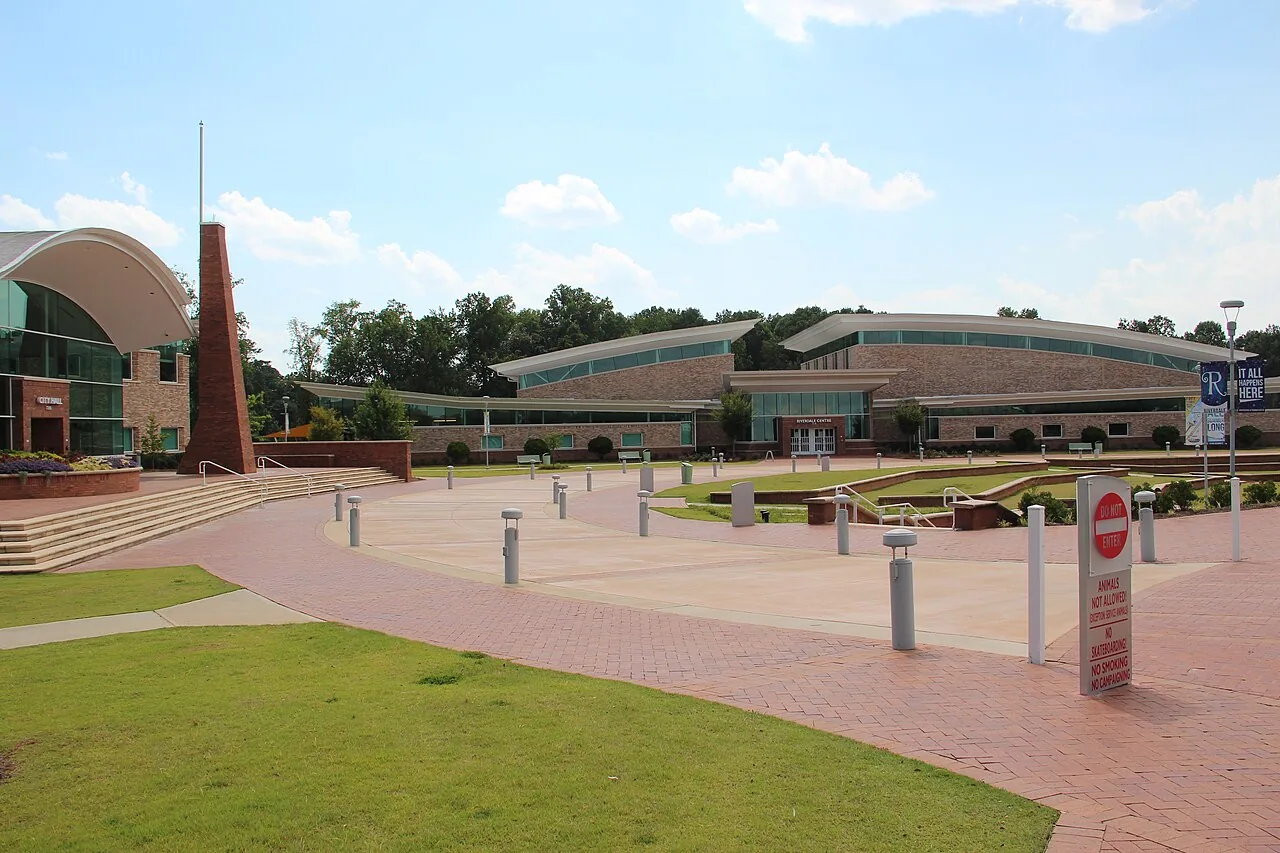
Commercial Roofing in Red Oak Historic District, South Fulton, GA
A main-street block is a row of roofs that lean on each other. The Red Oak community grew along the Atlanta and LaGrange rail line in the late 1850s, between College Park and Fairburn. South Fulton identifies Red Oak as a commercial area and a designated Main Street district targeted for revitalization. City planning places it among the areas in community visioning and redevelopment planning. Revitalization often means rehab, and rehab means opening roofs. We start with the use below each roof zone. Then we read the layers, not the legend.
Building use: storefronts, upper floors and shared walls
A main-street building may have a shop below and space above. It may share side walls with its neighbors. Its roof is narrow and deep. Water drains to the rear or to a single point.
The rail-line history locates the district in time. Each roof is read on site, and a test opening shows the deck, the insulation and the membrane.
Shared walls decide the repair. Flashing at a party wall depends on two owners. A leak at that joint can begin on one side and surface on the other. We photograph the joint from both sides when access allows.
Parapets matter on a block like this. Front parapets screen the roof from the street. Rear parapets trap water if scuppers fail. We test every scupper with water. We check the cap on each parapet for open joints. A cap that lifts in wind lets water into the wall.
Skylights and roof hatches add risk. Skylight domes crack with age and sun. Hatches sag and leak at the curb. Skylight and penetration flashing repairs rebuild those curbs with material that moves with the joint.
Roof mechanism: slow leaks into framing
A small leak does slow damage in a rehab building. Water enters at a flashing. It runs along a joist. It wets insulation or plaster. It rots the end of a beam. The ceiling stain shows months later.
The wet boundary is the key finding. We trace water from the stain upslope. We probe the deck and the framing where access allows. We use a moisture meter on exposed wood. Soft wood is a structural flag, and we pass it to the owner's engineer.
Repairs start with the entry point. Dry the layers. Replace what is rotted. Rebuild the flashing. Then restore the membrane. Skipping the dry step hides the problem.
Heat works on these roofs every summer, and Atlanta tallies close to seven days past 95 degrees with damp air around them. Dark membrane softens. Sealants dry. Humid air slows cure on new work, so tie-ins wait for the deck to dry and finish ahead of the afternoon cells.
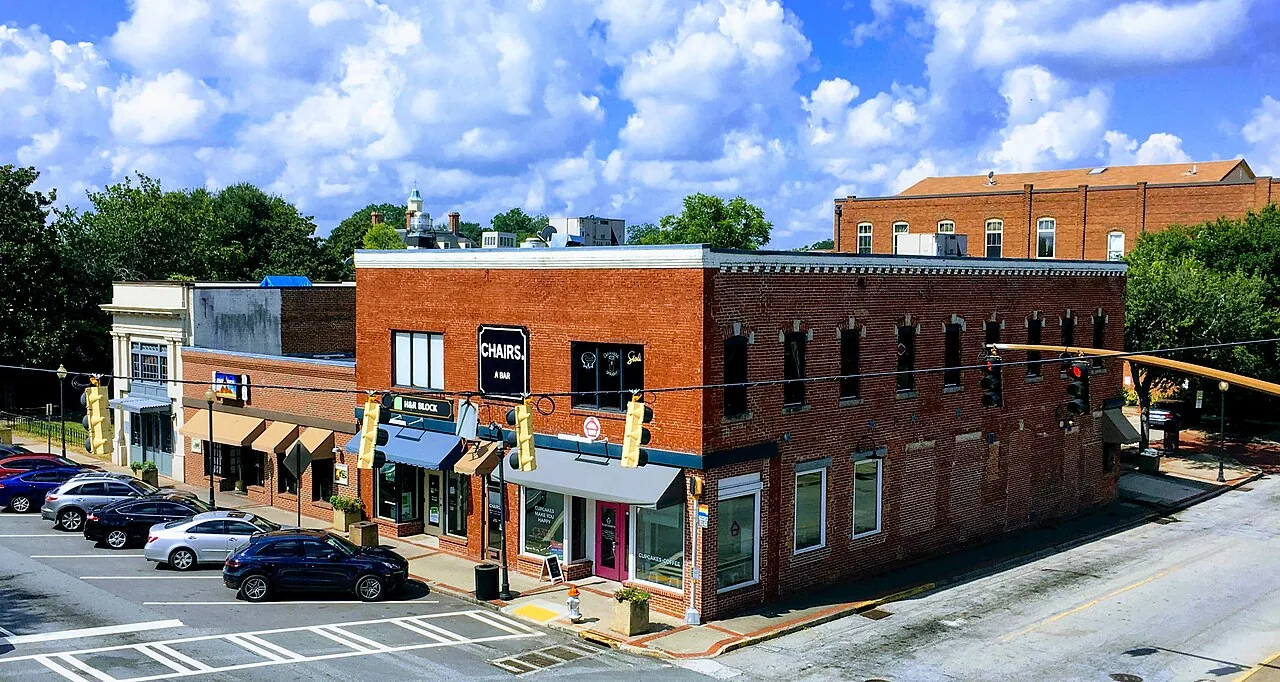
Revitalization timing: roof before interior
A Main Street program draws investment. Owners renovate storefronts and interiors. A new ceiling under a failing roof is money lost. The roof should be checked first.
We give a short roof summary that a design team can use. It lists membrane type, layers found, drainage, penetrations and moisture. It sets a roof budget beside the interior budget. If the roof needs replacement, the work runs before finish trades start.
A commercial roof inspection fits early design. A commercial roof replacement follows when the findings call for it.
Grants and loans can ask for roof evidence. A dated record with photos and readings answers the request. It also protects the owner if a lender asks about condition at refinance. We write the summary so a reader outside roofing can follow it.
Tenant improvements add roof loads. A new kitchen adds a fan. A new clinic adds a unit. Each one needs a curb and a penetration plan. We map existing penetrations first and mark where the deck can take more.
Storm record: wind, hail and the March 2018 tornado
In March 2018 the weather service documented a tornado rated EF-2 inside South Fulton, with a track between Fairburn and Campbellton. Red Oak lies between College Park and Fairburn along the old rail line, so that storm is a reason for care here.
The metro warning office logs damaging winds in every month. April is the peak for large hail. A roof with thin or brittle membrane takes marks easily. After a storm we compare the roof to its baseline. New marks stand out from old wear.
Scope options: repair, recover or replace in a rehab
A rehab roof may have layers. Several roofs may sit stacked. Weight and moisture hide between them. A tear-off may be required by code or by the findings. A recover is rarely wise on a roof of unknown layers.
We split scope by roof area. A sound section may take a repair. A wet section needs replacement. Price follows area, layer count, wet insulation, deck repair, access and work hours. The proposal lists unit prices for deck repair.
Hot work needs care near old framing. We prefer cold-applied or mechanically attached systems. Torches stay off combustible decks. A fire watch follows any hot step.
Moisture decides the call between partial and full replacement. A scan maps the wet zones and cores confirm them. Isolated wet areas take section replacement. Widespread saturation takes a full tear-off. The map is attached to the proposal.
Access and sequencing: sidewalks, alleys and open shops
Main-street blocks have little staging room. A lift may need a sidewalk or an alley. We agree on routes with the city and the owners. We post detours. We protect doors and windows below.
Shops stay open. Customers walk past. Falling object protection goes over entries. Debris chutes run to the rear. The daily close-in point is stated in writing. Nothing stays open overnight.
Utilities cross the alley. Overhead lines limit lift position. Buried lines limit outrigger pads. We locate both before we set equipment. Where space is short, we hand-carry materials in smaller loads and extend the schedule. Alley deliveries come in the early hours, before shops open, and the lift moves only when the spotter at the street end signals clear.
Send plans, repair history and the access method
What should an owner send before a main-street roof inspection?
Send any roof plans, repair history, tenant hours and the access method. We recommend adding photos of interior stains. With those, we trace water to the entry point.
Why check the roof before a storefront renovation?
New finishes under a failing roof get wet. We recommend a roof summary at design stage, so the roof budget sits beside the interior budget.
Can a recover go on an old roof with unknown layers?
Rarely. Hidden layers hide water and weight. We recommend test openings and a moisture scan first. Tear-off is often the sound call.
How do you handle a shared wall?
We photograph the joint from both sides and mark who maintains each part. We recommend a written agreement between owners on flashing repairs.
Does hot work belong on a rehab roof?
Not near old framing without a fire watch. We recommend cold-applied or mechanically attached systems where the deck is combustible.