
- Home
- Roosevelt Highway and Red Oak Corridor
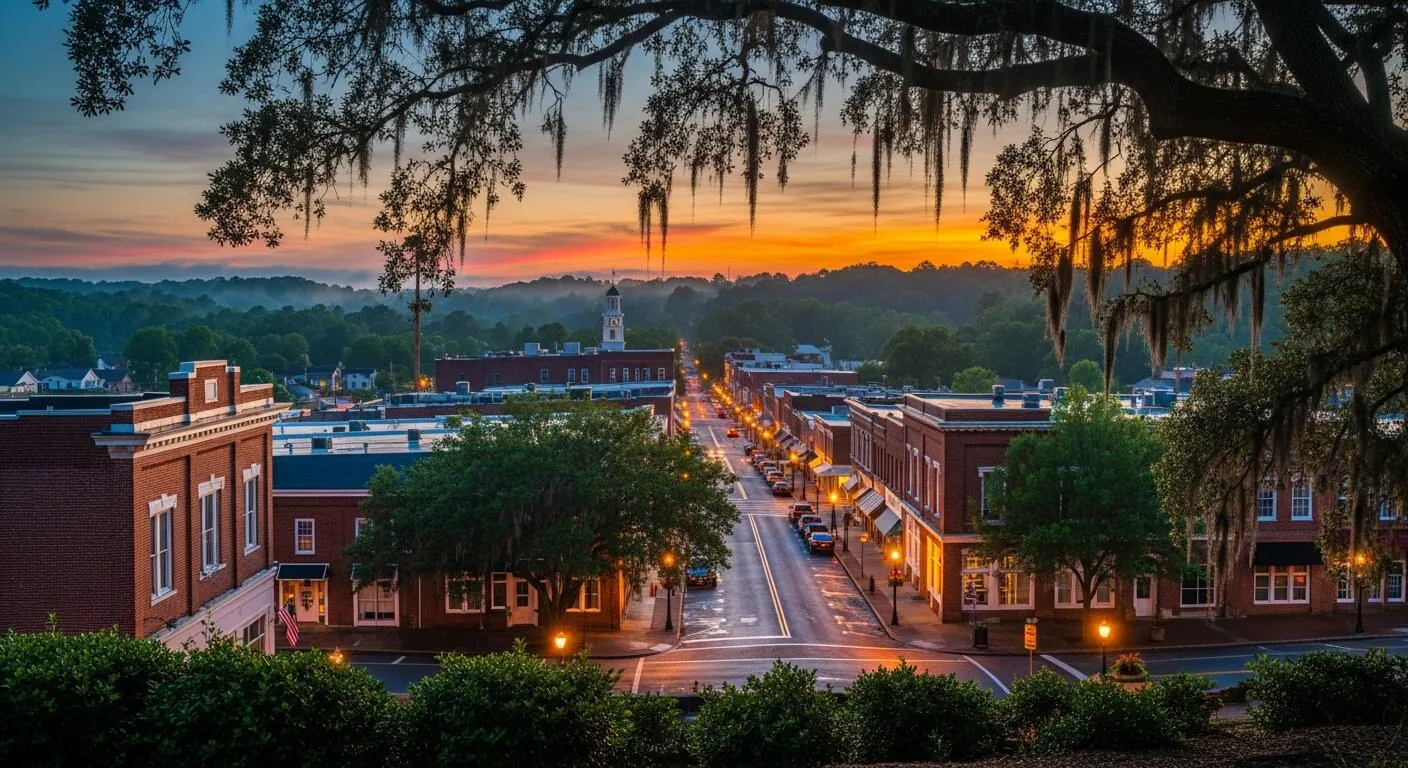
Commercial Roofing in Roosevelt Highway and Red Oak Corridor, South Fulton, GA
A change of use gives the roof a new job. South Fulton lists Roosevelt Highway as one of its established business districts. The city's 2026 development tour included the Roosevelt Highway and Red Oak area among its investment and land-use planning priorities. The Red Oak district grew on the railroad line linking College Park and Fairburn, which gives the corridor a long commercial and transportation context. Investment and land-use planning can mean buildings are bought, re-leased and re-used. Each change tests the roof. We start with the new use and the roof zone above it.
Building use: what a change of use does to a roof
A retail shell becomes a clinic. A shop becomes a restaurant. A flex bay becomes a showroom. Each new use brings new equipment. Each piece of equipment needs a curb and a penetration.
A clinic adds air handlers. A restaurant adds exhaust and grease. A showroom adds signs and lights. A warehouse bay adds dock equipment and louvers. The roof carries all of it.
What any building here carries now stays unknown until the roof is opened, so we read the layers at a test opening and map existing penetrations before design starts.
Signs and lights attach at the roof edge. A new sign needs fixing points through the parapet or wall. Each one is a hole. We recommend curbed or flashed supports, not caulk alone. We check each mount at turnover.
Loading changes too. A showroom with heavy rooftop units needs a deck check. We ask for structural limits before units are set. A deck that dishes under a unit ponds water for years.
Pre-lease review: roof questions before the lease is signed
A tenant signs a lease and finds a leak in month two. A landlord pays for repairs and loses a tenant. Both could have known sooner.
A pre-lease roof pass answers three questions. Is the insulation dry? Are the details sound? What will the new equipment add? The pass takes hours. The report lists findings under three headings: now, this year and watch.
The landlord can fix the first group in make-ready. The tenant can read the rest and plan. Our due diligence roof surveys follow this pattern for buyers as well.
Timing fits a deal. A lease negotiation runs weeks. A roof pass runs days. We schedule it early, so the findings can still shape rent, repairs and responsibility. The report names who pays for each item under the lease terms provided.
A tenant's own contractor often reaches the roof first. A short roof protocol for that contractor prevents most damage: which path to walk, where pads sit and whom to call after a cut.
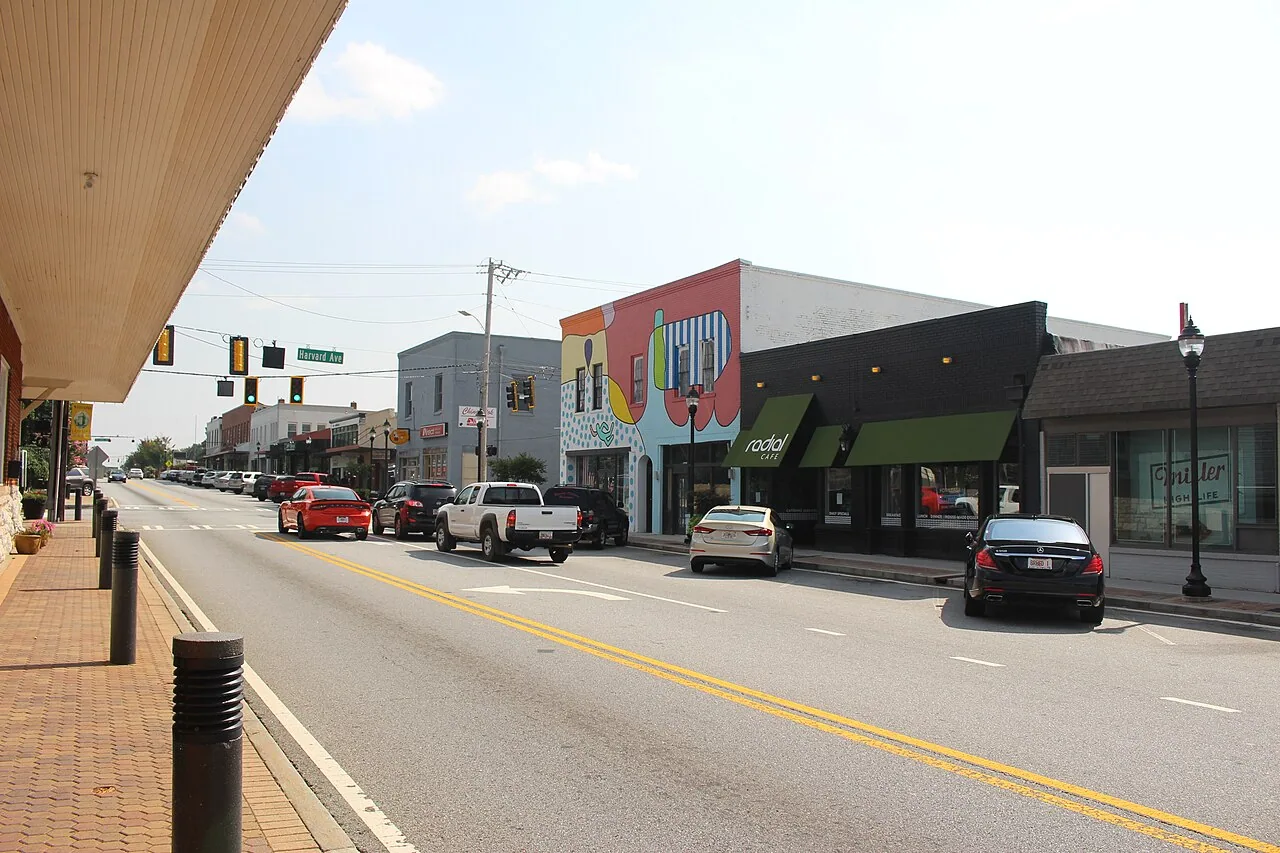
Roof mechanism: added load, added openings
Every added unit adds weight and holes. Weight compresses insulation under the unit. Compressed insulation dishes. A dish ponds water. Ponding stresses seams under the unit.
Holes add leak points. Gas lines, conduit and condensate lines cross the deck. Each one needs a boot or a curb. Boots crack in heat; Atlanta's roughly seven days a year beyond 95 degrees do the worst of it.
We check units for pads and rails. We raise lines off the sheet. We install walk pads on service routes. Our rooftop equipment curbs and supports work handles curbs, rails and sleepers.
Condensate lines drip on the sheet and grow algae. A line piped to a drain keeps the surface clean. Refrigerant lines on the sheet wear it through. Sleepers lift them. These are small items that decide whether a roof lasts or leaks.
Service routes need pads. Technicians walk the same path each visit. A worn path leads to a cut. Pads cost little. A cut over a tenant's stock costs more.
Storm calendar and the baseline
Damaging winds are logged in every month by the metro warning office. April is the hail peak and tornadoes have been recorded in all months. A path between Fairburn and Campbellton carried an EF-2 tornado through South Fulton in March 2018.
Treat that as the calendar to plan around. A baseline before March gives a later pass something to compare. A hail damage review samples the surface and checks moisture under marks.
After an event the steps run in order. Dry-in. Photos. Permanent repair. We seal openings and list temporary materials with removal dates. A commercial roof leak repair follows the wet boundary found by the moisture scan.
Scope options: repair, recover or replace at re-lease
Re-lease is a natural point for roof work. The space is empty. Access is easy. The fix is cheaper than a mid-lease emergency.
A repair fits a known leak with dry insulation. A recover fits a sound base. A replacement fits wet zones or a damaged deck. Cost follows area, wet insulation, penetrations, access and hours. The proposal lists each driver.
The city's permit page lists the 2024 IBC as effective January 1, 2026, with Georgia amendments. The state energy code remains the 2015 IECC. A replacement scope names both.
Moisture decides the call. A scan maps wet zones. Cores confirm. A roof with isolated wet areas takes section replacement. A roof with wide saturation needs full replacement. The map is attached to the proposal so a tenant and a landlord can read the same evidence.
Access and sequencing: occupied neighbors
A corridor building rarely stands alone. Neighbors share lots and walls. We tell them the work window. We cover intakes during adhesive use. We keep fire lanes open.
Lifts stay out of drive aisles. Pedestrian paths stay marked. Falling object protection goes over entries. Each night the roof is closed in and materials are secured. The access log names every entry to the roof.
The corridor grew along a rail line, so we confirm truck routes and any rail crossings before the first delivery. Drivers get the route and a backup in writing.
Send the roof plan, equipment list and the access method
What should a landlord send before a pre-lease roof pass?
Send the roof plan, repair history, the new tenant's equipment list and the access method. We recommend adding any seller or former tenant notes. With those, we flag what to fix in make-ready.
How does new rooftop equipment hurt a roof?
It adds weight and openings. We recommend pads under units, raised lines and a penetration map before the unit is set.
When is the best time for roof work in a re-lease?
While the space is empty. We recommend a roof pass at move-out and repairs in make-ready.
Does a corridor's investment priority change roof planning?
It raises the odds of new tenants and new equipment. We recommend keeping a dated baseline so each change is on record.
Which code editions apply to a replacement?
The city's 2024 IBC took effect on the first day of 2026, and the state's energy code has not moved off the 2015 IECC. A call to the permit office before pricing settles how both apply.
What goes in make-ready for the roof?
Repair of known leaks, boot and curb corrections, drain clearing and a baseline photo pass. We recommend finishing it before the new tenant's equipment goes up.