
- Home
- Tornado Damage Roof Repair
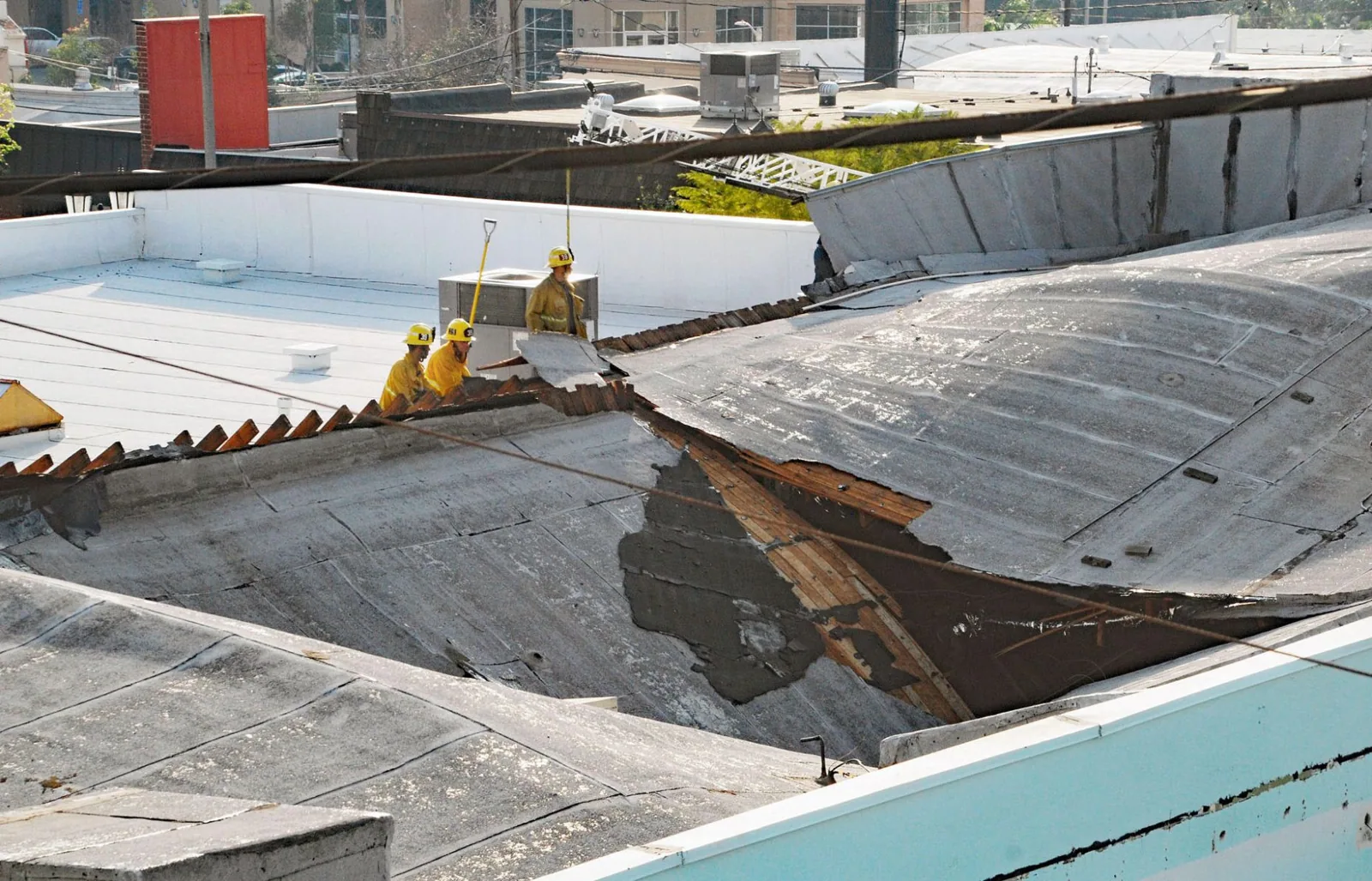
Tornado Damage Roof Repair in South Fulton, GA
After a tornado, the first question is whether anyone should be on the roof at all. Deck, joists and wall ties may have moved even where the surface looks whole. In March 2018 the National Weather Service documented an EF-2 tornado in South Fulton, GA whose track ran between Fairburn and Campbellton and badly damaged homes. The same regional record shows tornadoes in every month, most often in March, April and May. We clear the structure first and write the roof scope second.
Building use: what a tornado leaves behind
The 2018 track ran between Fairburn and Campbellton, and both places figure in the city's commercial picture. Historic Campbellton Crossroads is a cross-border focus area covering part of South Fulton and part of Chattahoochee Hills, and the city describes a planned mixed-use concept for it. In Fairburn, the city points to a thriving industrial area and an active development authority. A roof in either place needs a tornado plan that matches its use.
For a plant or warehouse, the plan starts with what is below the opening: stock, process equipment, racking and people. For a retail or office roof, it starts with the tenants and the exits. A tornado does not respect tenant lines. One roof can open over three businesses, and the response has to reach all three at once.
Roof mechanism: lift, debris and structural loss
Tornado winds exceed the design wind speed for ordinary storms, and the loading pattern changes. Uplift on the roof rises sharply, and pressure drops inside a building when an opening forms, pulling the roof up from beneath as well as lifting it from above. Edges peel, then sections of deck can lift and tumble. Walls can lose their top ties. Debris from neighboring buildings becomes a second source of damage, cutting the sheet and bending the deck.
The result may be an obvious hole or a hidden problem. A deck sheet that has lifted and dropped back may look flat but lack fasteners at its ends. A parapet that leans an inch may be one more gust from failure. A damaged retrofit metal roof may hold panels loosely over a deck that moved beneath it. All of these require measurement, not a glance.
Inspection findings: the structural walk
A structural engineer or competent person reviews the building before the roofing crew goes up. Drone imagery from outside the hazard zone maps the damage while the roof is still off limits. When access opens, we walk the safest path first, with spotters and fall protection placed before the first step.
- Missing or lifted deck sheets, and fasteners sheared at their ends.
- Leaning or cracked parapets and displaced coping.
- Tilted or shifted rooftop units and broken curbs.
- Open penetrations where pipes, vents or ducts were torn away.
- Debris embedded in the sheet, including nails, glass and metal shards.
We photograph all of it by roof zone and tie each photograph to the engineer's notes. A moisture survey follows once the roof is secure, because tornado rain runs into the building through openings that do not show on the surface.
Scope options: secure, stabilize, rebuild
The first scope secures the building: tarps and temporary membrane over every opening, with edges fastened to survive the next storm. The second stabilizes: removing loose material, shoring or repairing deck as the engineer directs, and closing penetrations. The third rebuilds the roof, in phases if the building must stay in use.
Partial rebuilds work when damage is confined and the rest of the roof is sound. A full replacement is the better answer where the deck needs widespread repair or the membrane is torn across several zones. We coordinate the work with the owner's insurance claim, keep the temporary work as a separate line, and compare the cost of phased and full work in writing. A roof that also shows wind damage at the edges gets the perimeter rebuilt first.
Access and sequencing: a site with downed lines and debris
A tornado scene has hazards that an ordinary storm does not: downed lines, loose debris, damaged walls and unstable ground. Crane and lift locations are chosen away from the hazards, and a utility check comes before equipment moves in. Staging space may be limited by debris and by emergency vehicles, so the staging route is agreed with the property manager and the GC.
Where the building is still in use, the crew works in zones, with a trade handoff to the electricians and glaziers who share the space. The emergency roof repair response is answered around the clock, holidays included, and it starts with a safe first step and a close-in limit.
Code coordination: rebuilding to the current edition
South Fulton moved to the 2024 IBC and its Georgia Amendments at the start of 2026, so storm rebuilds are read against that edition. The deck repair, the attachment pattern and the edge metal are the items an inspector is likely to read closely. We confirm the permit path with the building department before material is ordered.
Records matter as much as the work. The engineer's letter, the fastener schedule and the membrane manufacturer's instructions are kept together, so the close-in inspection can approve each layer in turn.
Send the storm date and what the engineer found
Can the roofing crew start before the engineer finishes the review?
Only for work the engineer clears, such as tarping from a safe lift position or sealing openings from outside the hazard zone. Anything that requires walking a damaged deck waits. We document the building from a safe position and schedule the walk the moment access is approved.
Our building is leased by several tenants. Who decides on the temporary cover?
The owner or property manager does, usually with the GC. We provide a short note on the openings, the hold, the cost line and the limit of what the temporary work can handle. That lets the decision be made in minutes rather than days.
What belongs in the file for the insurer after a tornado?
Dated drone and ground photographs, the NWS storm record, the engineer's findings, a roof zone plan, and an itemized scope that separates temporary, repair and rebuild work. We also keep the pre-storm maintenance records, which show the roof's condition before the loss.
Is a tornado repair different from a high-wind repair?
The method is similar, but the scale and the structural risk are greater. Wind damage often stops at the perimeter and the fastener line. A tornado can move the deck, break walls and scatter debris across the roof, so the structural review comes first.
How do we protect the roof between the storm and the permanent repair?
With a temporary membrane fastened to the deck or the parapet, not a loose tarp, plus sandbags or battens at the edges. We inspect it after every front, log what we find and adjust the cover. If permanent work is weeks away, the temporary system is upgraded.