
- Home
- Metal Roof Retrofit and Restoration
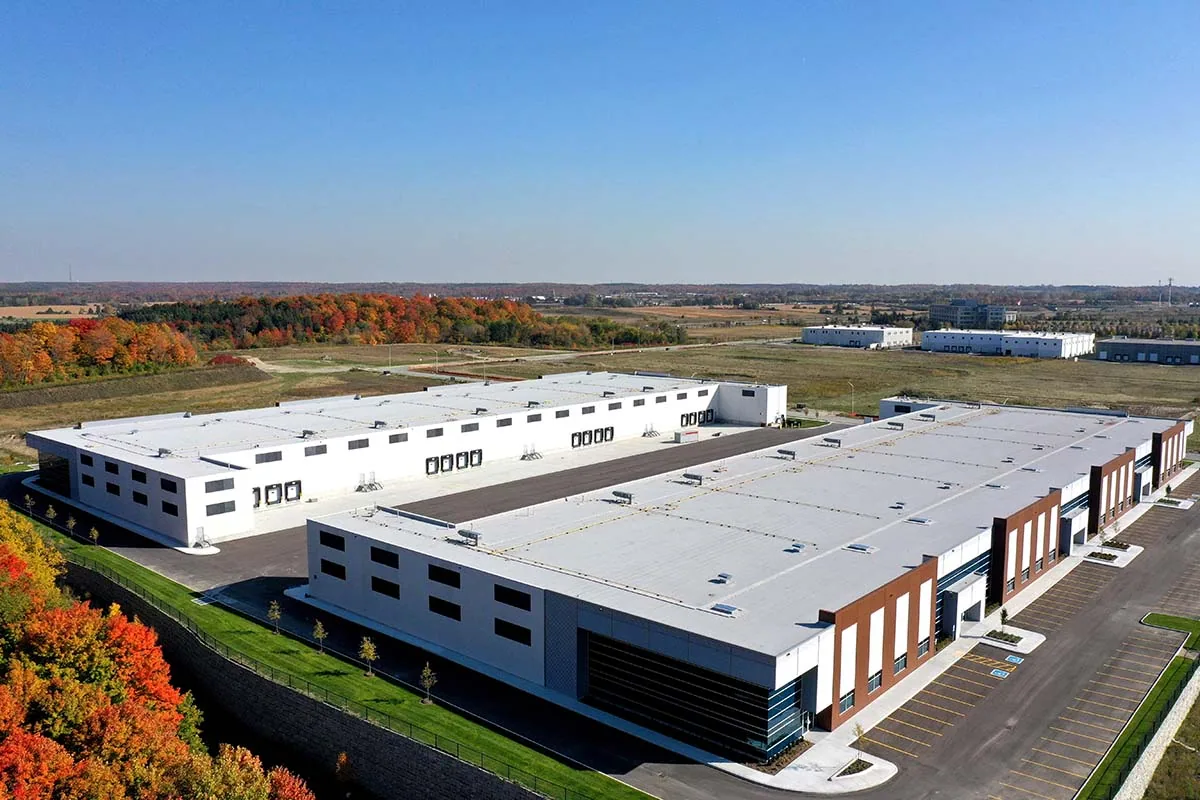
Metal Roof Retrofit and Restoration in South Fulton, GA
Many shops, small warehouses and light industrial buildings carry an exposed-fastener metal roof. The building use sets the traffic, equipment and interior humidity. The roof zone sets the panel run and the eave. The mechanism that changes the sequence is the fastener: thousands of screws, each with a rubber washer, each a possible leak. Our first walk counts the loose ones, checks the laps and reads the finish.
An exposed-fastener panel is screwed through its flat into purlins. The washers age in sun and the screws back out as the metal moves. Laps open. Rust starts at cut edges and scratches. A retrofit keeps the old roof as a base and adds a new system over it. A restoration repairs and coats the old panels. The right path depends on the panels, the framing and the moisture below.
Shops and light industrial buildings are the usual hosts for exposed-fastener panels. South Fulton's industrial neighbors, including the Fulton Industrial District next door, are places where that roof type could turn up, but only the roof itself says so, so each building is read on its own. A flex industrial roof may join an office wing with a metal shop bay, and each section gets its own rating.
Roof mechanism: screws, washers and laps
Each screw sits in a hole the metal moves around. Daily heating and cooling work it loose. The washer crushes, cracks or dries out. Water then tracks down the screw into the insulation or onto the ceiling. We press each fastener line with a hand tool, mark loose screws with paint and count them per panel run.
Georgia summers are long, hot and humid, NOAA says, with Atlanta above 95 degrees on about seven days a year. That regional figure points to strong daily movement from late spring through early fall. It does not tell us the condition of one roof. The count of loose screws, the state of the washers and the width of the laps do.
Panel profile matters too. Ribbed panels hold fasteners on the flat between ribs, and the screw line sits low where water runs. Corrugated panels have a different pattern. We record the profile, the gauge where it can be read and the purlin spacing. Those facts set the retrofit options and the fastener schedule. A drawing of the purlin layout goes into the file next to the fastener count.
Inspection findings: rust, laps and condensation
Rust tells its own story. Surface rust at screw heads and cut edges can be cleaned and treated. Rust that has pitted through the panel cannot. We probe suspect areas with a screwdriver and photograph each one. Then we check laps: sealant, gap width and any visible light. Then the ridge, the eaves and the penetrations.
Condensation fools many owners. Warm moist air meets a cold panel and drips from the underside, often in a pattern that follows the purlins. The roof looks wet from inside, but the panel is sound. We compare the pattern with the weather and with interior sources before drilling any new hole. A vapor fix or ventilation change may be the repair. An infrared survey helps separate the two.
Insulation under exposed-fastener panels is often a blanket held by a liner. Water that enters can saturate it with no sign on the ceiling. Where access allows, we lift a section and read the blanket's condition. Wet blanket sags, loses value and holds moisture against the purlins. It is replaced in the repair boundary. Surface rust treated now costs less than a panel replaced later.
Wind, hail and the spring peak
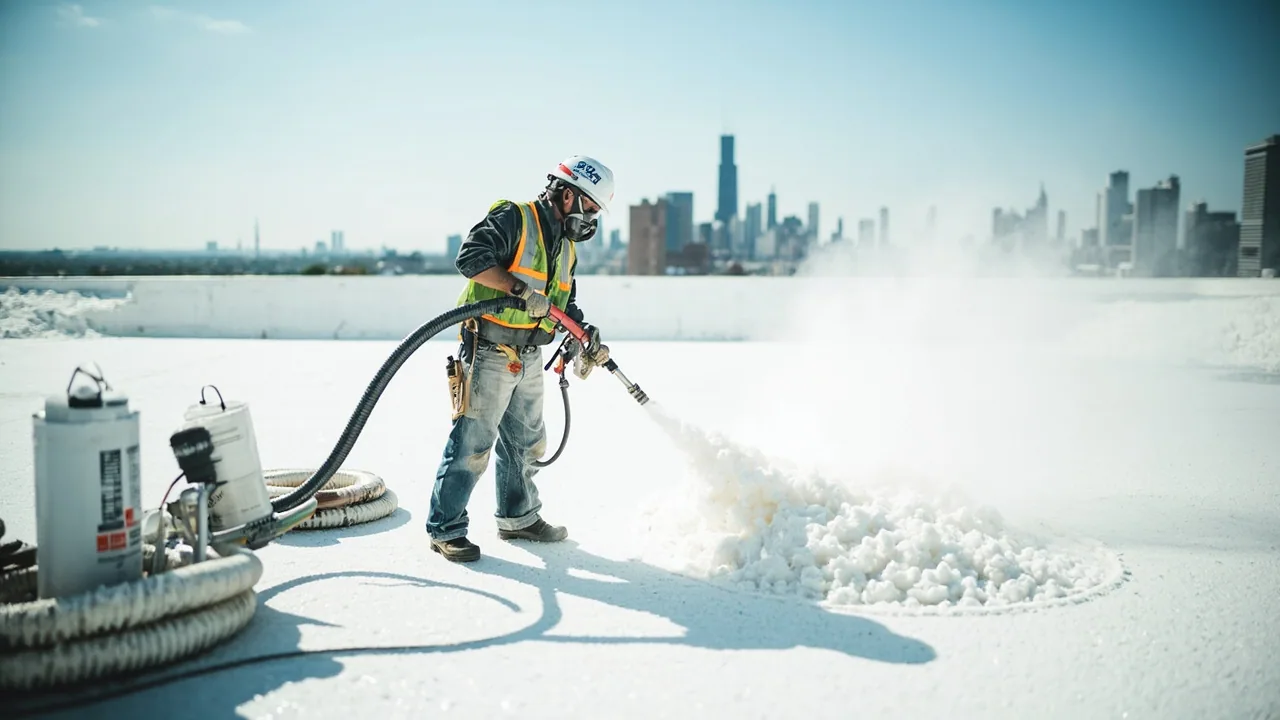
NWS records damaging thunderstorm winds in the Peachtree City warning area in every month, around 19 days a year, strongest in spring and summer. Large hail comes to northern and central Georgia chiefly in April, in an average year on about seven days across the region. Tornadoes can strike in any month, though March, April and May bring most.
Wind lifts loose panels at the edges and ridge. Hail dents flats and can crack the finish. After a major storm, we check edges first, then the fastener lines on the windward side. We photograph dents with a scale and note whether the finish is broken.
Dated photographs of dents, laps and fasteners after a storm are the evidence for a repair or a claim, and they are filed by roof zone.
Scope options: tighten, coat, retrofit or replace
Tightening and re-washering fasteners is the first repair. Open laps get new sealant or tape. A sound roof with rust under control can take a coating system that seals the fastener heads and the laps. A retrofit adds new framing or a new standing seam skin over the old panels, as with standing seam metal. Heavy corrosion or wet insulation moves the scope toward tear-off.
In South Fulton, the 2024 IBC with Georgia amendments has applied to new permits since January 1, 2026. The 2015 IECC with Georgia amendments remains the energy code. A retrofit adds weight and changes insulation, so the structural frame and the code are checked before the order is placed.
Cost depends on roof area, screw count, lap length, rust extent and access. A retrofit carries framing, new panels, trim and insulation. A restoration carries cleaning, fasteners, sealant and coating. Each driver is a line in the scope. A commercial roof repair visit can be a stopgap while the larger decision is made.
Access and sequencing: retrofit over occupied space
A retrofit can often go on while the building operates, since the old roof stays in place as a deck. We still plan the work. Noise from screw guns carries. Debris falls through gaps. Interior protection goes up under open areas. In East Point, Willingham Industrial Park holds automotive repair, warehousing, manufacturing and recycling uses by the city's description, and over any of those the interior cover plan is agreed first.
The work window follows the weather. Spring storms can close a day fast, and a half-installed retrofit has to be sealed at the end of each shift. We set the dry-in limit and the close-in point for each phase. Once the work ends, the owner receives photographs, a plan showing each repair, test results and product data.
Utility lines, rooftop units and skylights all need coordination. Each is flashed after the trade finishes. We keep a log of who entered the roof and when.
Send the roof plans and the access window
Can leaking screws be fixed without replacing the roof?
Usually yes. Replace loose or corroded screws with correctly sized ones and new washers, and reseal laps. Count the loose screws first so the repair is priced by quantity.
Is a retrofit better than tear-off?
When the frame is sound and the insulation is dry, a retrofit avoids tear-off and keeps the building open. Check the structure, since the new layer adds weight, and confirm moisture with a survey.
Why does my metal roof drip when it has no leak?
Condensation. Warm moist air meets a cold panel and drips from below. Map the pattern against the purlins and interior sources before cutting into the roof.
Will a coating stop rust?
A coating can seal sound metal and slow rust after the surface is cleaned and treated. It does not repair pitted-through panels. Test the metal before choosing a coating.
What should I record after a hailstorm?
Dents per test square, finish condition and any open laps, all with dates and photographs. Photographs with a scale and a date are what support a repair or a claim.