
- Home
- Roofing for Hotel Owners and Hospitality Groups
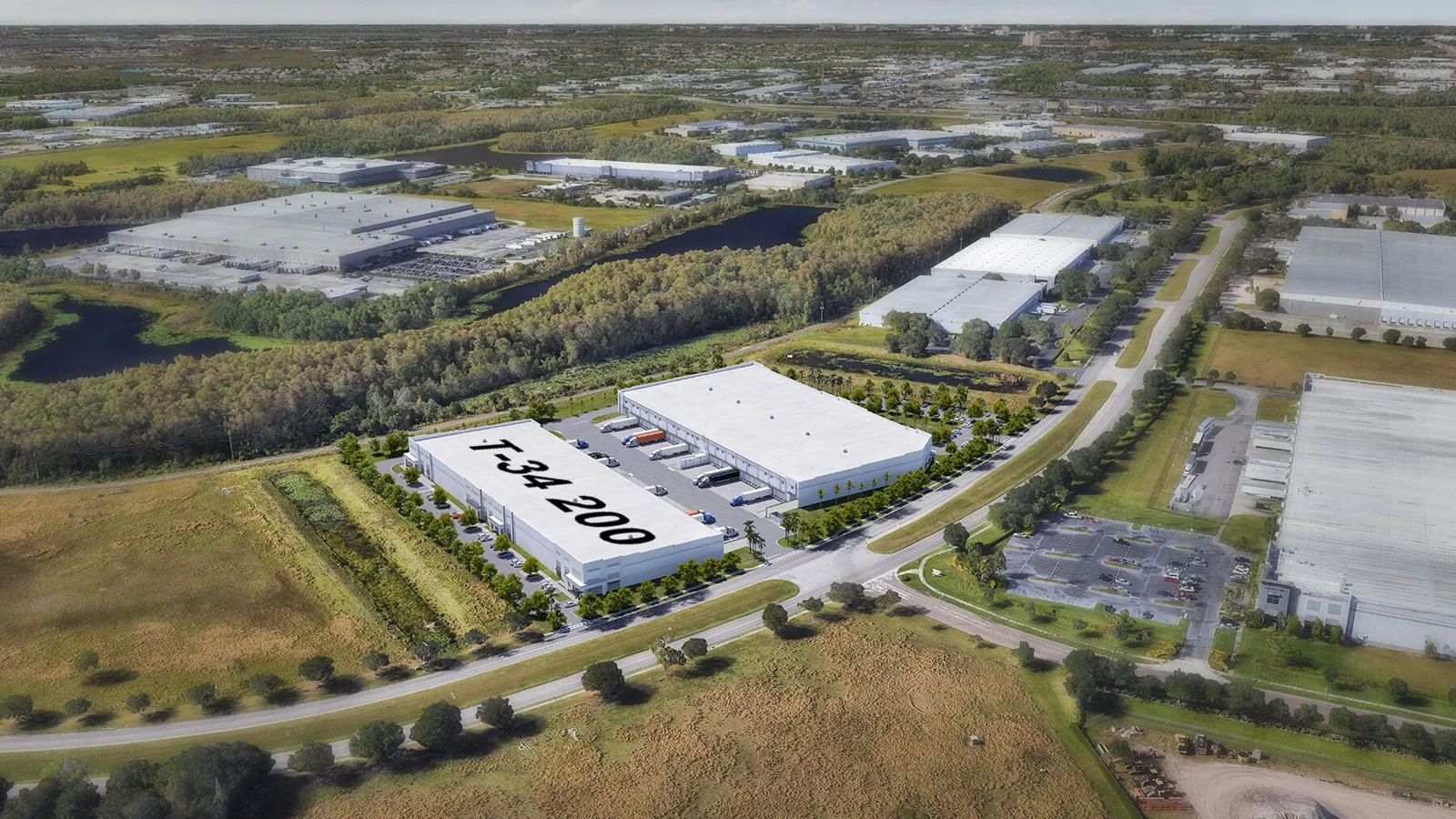
Roofing for Hotel Owners and Hospitality Groups in South Fulton, GA
A hotel roof sits over beds. The top floor is the product. Every room below the roof is inventory, and a leak or a loud morning costs a night's revenue and a bad review. In South Fulton, GA the first page of the roofing plan is a room map: which rooms lie under which roof zone, and which can come out of sale for the days work is overhead.
The mechanism that changes the sequence is occupancy. Occupancy moves by day of week and by season. The roof schedule follows it, wing by wing.
Local lodging: the airport side and the corridors
By the city's own profile, South Fulton is a short drive from Atlanta and from Hartsfield-Jackson airport. Fairburn's SR 74 corridor lists hotels among its restaurants and apartments. East Point describes Camp Creek's shopping district as a multi-property mix of shopping and hospitality developments. The city's strategic plan imagines a Town Center on about 400 acres near Camp Creek Parkway with possibly a hotel and conference center.
Those facts show where lodging sits and where it may grow. They do not describe any particular hotel's roof. The assembly comes from drawings, cores and a walk, one building at a time.
Guest impact: noise, dust, odor and checkout times
Guests do not tolerate what residents might. A tear-off at nine in the morning above a sleeping floor means complaints. So the work window puts loud tasks in the middle of the day, when the floor below is mostly empty, and keeps staging away from the entrance, the pool and the patio.
Odor is managed at the intakes. They are covered before adhesive or heat work. Low-odor systems are favored where the roof allows. A daily note reaches the general manager before each shift: rooms affected, hours of noise and the point at which the crew closes in. Late checkouts and early arrivals are listed in the access log, so the lobby is never the loudest place on the property.
Group blocks and events change the calendar. A wedding weekend or a conference fills the property and raises the cost of any disruption. The access log lists known events, and heavy roof work avoids them. If an event is booked late, the plan shifts the crew to a different wing or a dead day. The general manager decides, and the plan lets the decision be made with the facts on hand.
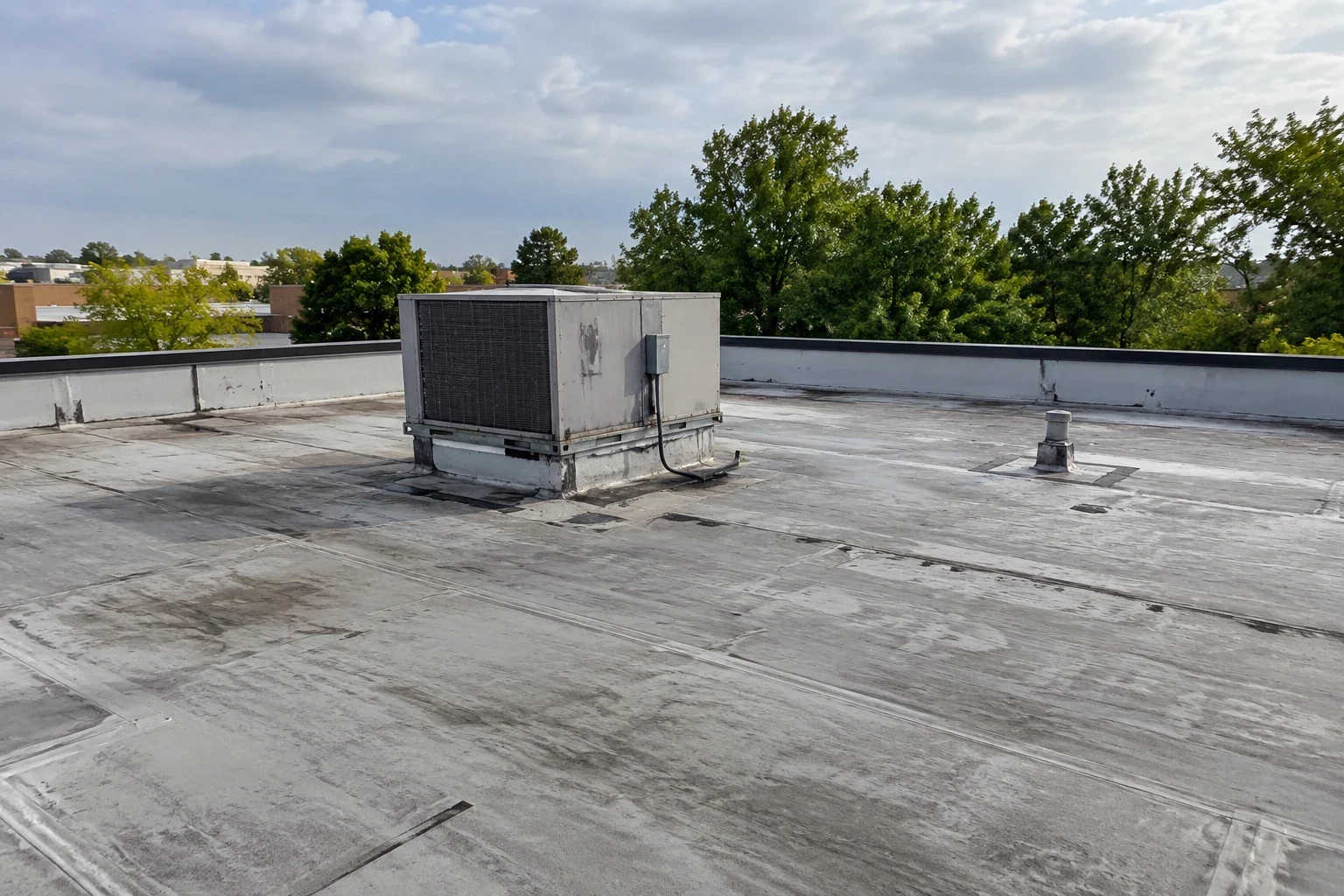
Rooftop plant: kitchens, laundry and mechanical
Hotels carry heavy plant on the roof. Kitchen exhaust. Laundry exhaust. Water heating flues. Packaged HVAC. Stair and lift-machine penthouses. Each is a curb, a flashing and a support.
Laundry exhaust is warm and wet. It tends to age membranes in its plume. Kitchen exhaust adds grease. Flue terminations set too close to a parapet can scorch the wall flashing. Number every unit, photograph each curb and log the sealant. Our rooftop equipment curbs and supports review ties each to a drawing, and shutdowns come through the engineering team, never the roofer.
Cost drivers are specific to lodging. The number of wings sets the phases. The count of rooftop units sets curb work. Pool and terrace decks add waterproofing items. Guest rules set the working hours. Each is priced on its own line, so the owner can see how a different renovation schedule changes the number.
Amenity decks: pools, terraces and podium roofs
Some of a hotel's roofs are not roofs by name. A pool deck over meeting rooms is a waterproofing assembly. So is a terrace over a lobby. They have drains, expansion joints and perimeter flashings, and they fail the same way any roof fails.
List them with the main roofs. Core them. Read moisture. Where a deck lies over occupied space, a flood test or electronic leak survey may be proposed before repairs, so the failure line is found before the deck is opened. The proposal states what each method can find and what it cannot. Roof drains and scuppers on these decks are cleared and flow-tested on every visit.
Roof drains on amenity decks catch things other drains do not: sunscreen, leaves, bottle caps, hair. A clogged drain under a busy pool deck ponds fast. The pass clears each drain, runs water through it and logs the time it takes to clear. A slow drain becomes a line on the maintenance list before it becomes a leak into a meeting room.
Weather: storms, heat and guest safety
Storm season peaks in spring. April has the most hail, March through May has the tornadoes and building-damaging gusts can come in any month. In March 2018 an EF-2 tornado hit the city. After a wind event, balconies, signs and loose equipment covers are checked for anything that could fall into a guest area, and the area below stays closed until the walk is done.
Summer is long, hot and humid. The safe roofing day is short. The pool is busy then, so the lift location and the material route are planned around it. Crews start at dawn and stop at midday heat.
Phasing: wings, brand standards and renovation cycles
Many hotels answer to a brand with property standards, and a roof job may ride on a renovation cycle. The plan lists options with their effect on room inventory: the order of wings, the likely weather risk and the records each path produces. Commercial roof replacement can be phased by wing to hold inventory, or timed to the low season.
Each wing is dried in and tested before the crew leaves. The access log records the time of each seal and the person who confirmed it. A room under a finished wing returns to sale on the day the wing is signed off.
Brand standards matter in one more way. Some brands require specific warranties, inspection steps or product lists on a roof. Send the standard early. We match methods to it and flag any item that needs the brand's sign-off before work starts. A missing approval costs more than a delayed start.
Send the room map and the occupancy calendar
How do you keep roof noise away from guests?
Loud tasks run in midday hours when the floor below is mostly empty, staging stays away from entrances and pools, and the general manager gets a daily note.
Can rooms under the roof stay in sale?
Some can. The room map shows which rooms sit under each zone and which should come out for the days work is overhead. We recommend pulling only the top-floor rooms under the open wing.
Why are pool decks and terraces treated like roofs?
They are waterproofing assemblies over occupied space. They have drains, joints and flashings, and they fail like any roof.
Can a replacement be phased by wing?
Yes. Each wing is dried in and tested before the crew leaves, and rooms below return to sale when the wing is signed off.
What does the owner keep at closeout?
The room map, zone map, readings, material sheets, access log, photographs and open items, topped by a one-page summary.