
- Home
- GAF Commercial Roofing
GAF Commercial Roofing in South Fulton, GA
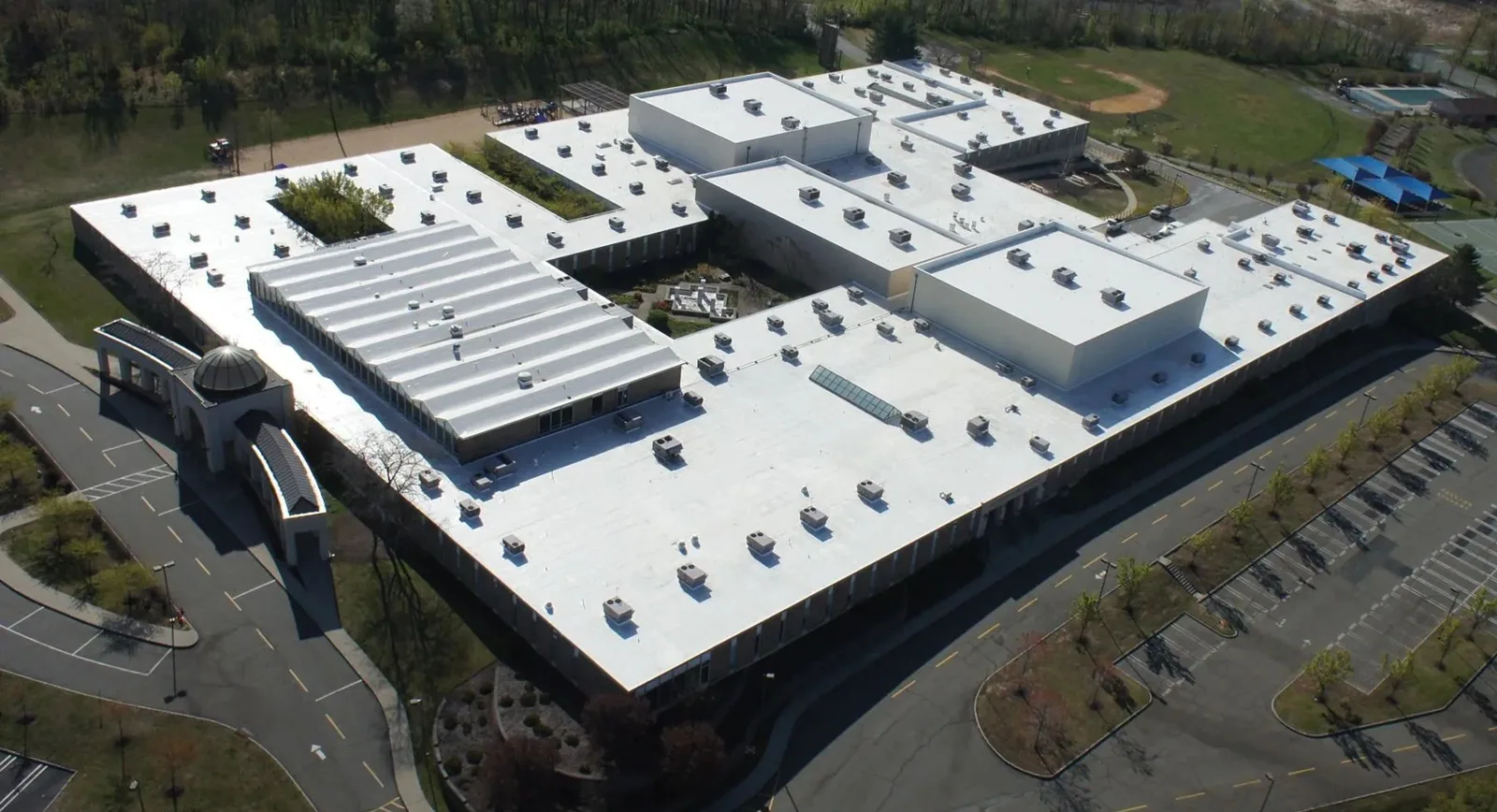
A distribution bay needs the roof zone above it checked before a GAF assembly is specified. The deck, insulation, edge, and rooftop equipment set the sequence. GAF commercial systems include single-ply membranes and modified bitumen assemblies. We identify the existing layers first. Then we compare the proposed system with the building use and loading limits. Industrial parks, flex space, and professional office corridors are all part of what the South Fulton Development Authority markets. Those uses help frame a site walk. They do not identify a particular roof.
For a TPO assembly, the field seams are heat-welded. A proper weld needs clean surfaces, correct temperature, and consistent pressure. We inspect sample seams and probe transitions. We note the fastener line, cover board, and perimeter attachment. That record sets the repair boundary. We install, repair, inspect, and maintain commercial roofs.
System choice: membrane, base sheet, deck
GAF commercial roofing is not one assembly. The project may call for a thermoplastic membrane, a multi-ply bitumen system, or another specified option. Each has a different layer stack. We review plans, cores, and existing product information where available. If the deck profile is concealed, a test opening can confirm it. The scope identifies the insulation, cover board, attachment, and field membrane. A TPO roof review explains the seam and flashing checks that control a single-ply detail.
On a replacement, the substrate must be stable before new material is installed. We check for wet insulation, loose cover board, corrosion, and uneven transitions. If an old roof remains beneath the new layer, compatibility and added load need review. A recover can reduce tear-off, but only when the existing layers support it. The recover assessment maps moisture and attachment before that choice is priced.
A system comparison still starts with the deck and exposure. We can assess a Carlisle SynTec assembly or a Holcim Elevate membrane against the same roof-zone requirements. The selected system needs a clear transition and test record.
South Fulton exposure: heat, wind, and detail
Georgia has long, hot, humid summers and short, usually mild winters, according to NOAA. The Atlanta-area heat signal includes roughly seven days above 95 degrees each year. That regional measure helps explain why roof surfaces cycle through heat. We inspect welds, sealant, flashing, and fastener lines for movement or loss of bond. A temperature reading alone does not set the repair. The South Fulton Parkway and Cedar Grove area includes planned commercial and office uses, but the assembly is confirmed at each property.
Spring and summer carry the peak of damaging thunderstorm winds in the Peachtree City warning area, though the National Weather Service logs them in every month. An edge can lift at the corner while the membrane field still looks flat. After a storm we go over perimeter securement, coping joints, penetrations, and rooftop units. A wind damage inspection documents the condition and the dry-in boundary. We do not infer damage from a regional forecast.
The Parkway is South Fulton's largest commercial corridor, while Roosevelt and Old National highways are the older business districts. A corridor name says nothing about the deck underneath. For an Old National Highway corridor property, we confirm access and staging with the site contact.
Repair method: preserve the sound field
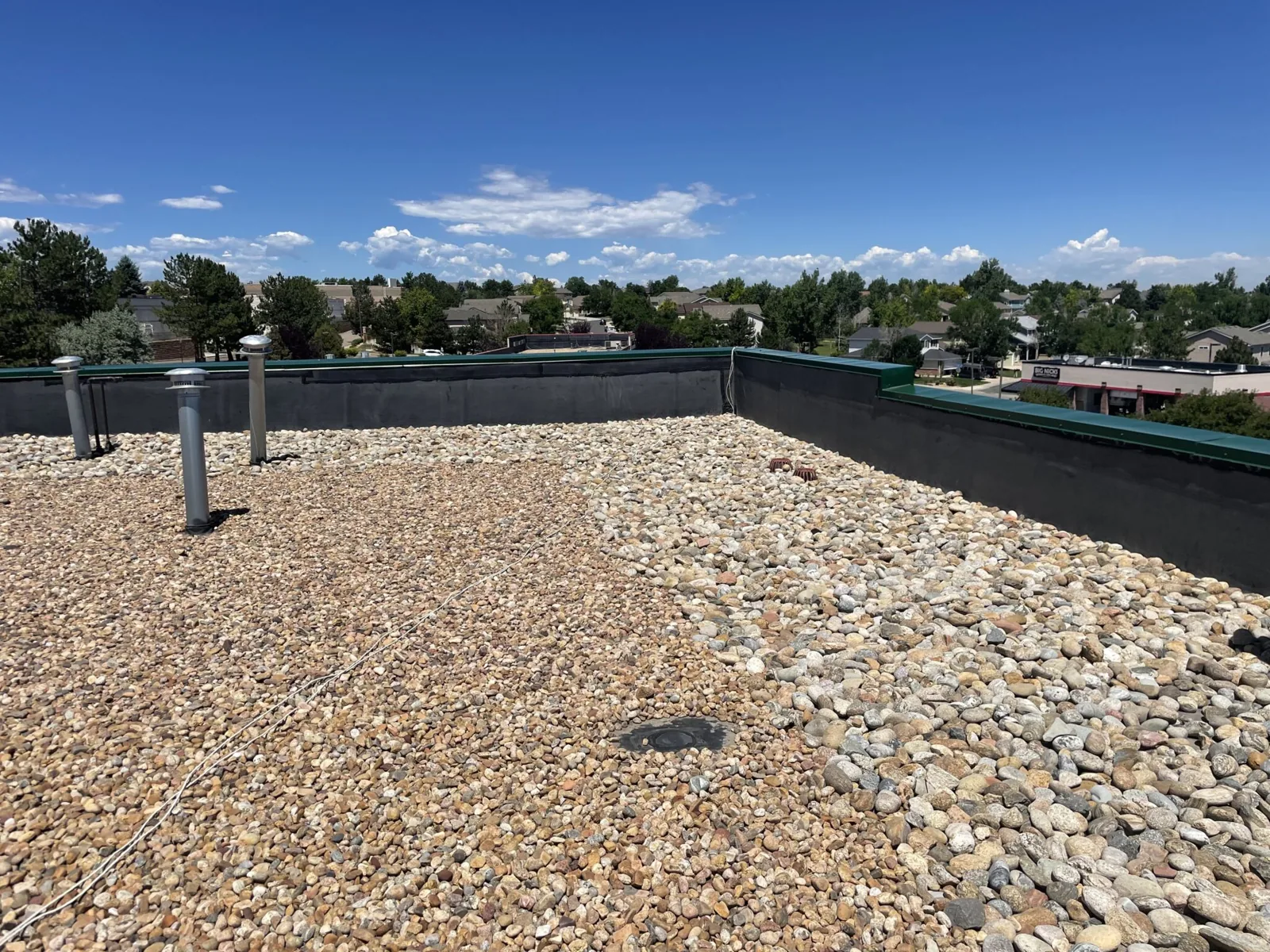
A damaged TPO seam may need a cutback, cleaning, and a new compatible weld. A puncture may need a patch with rounded corners and a sound bond around it. The repair method depends on sheet condition, not simply the GAF label. We test the prepared area and probe the finished seam. If the sheet has stiffened or the damage crosses a transition, the repair may need to extend farther. The commercial repair scope names the zone and the material.
Flashings around curbs and pipes are common handoff points between roofers and other trades. We check the flange, vertical leg, termination, and sealant. If mechanical equipment is moved, the old opening must be closed with a compatible patch. New penetrations are coordinated before the membrane is cut. A curb and equipment review can set the flashing detail after the mechanical layout is known. That prevents a finished roof from being reopened without a defined tie-in.
Scope options: repair, recover, replace
Repair fits a localized failure with sound material around it. Recover may fit when the old assembly is dry, attached, and suitable for added layers. Replacement is considered when moisture spreads, the deck is unstable, or repeated failures make isolated patches unreliable. We show the findings behind each option. GAF product selection follows the assembly requirements and project documents. It does not decide the amount of tear-off by itself. A replacement plan includes deck, insulation, drains, edge height, and close-in points.
South Fulton codes matter when the work changes the assembly or requires a permit. Georgia Amendments to the 2024 International codes have applied in the city since January 1, 2026, so a scope that changes the assembly gets its code review lined up before work starts. The energy code remains a separate consideration. The condition report can preserve the roof-zone map, test openings, moisture readings, and photographs for review. The decision stays tied to observed conditions.
Timing also depends on access, building occupancy, material staging, and weather. We agree on the dry-in limit before tear-off begins. Each phase has a close-in point. The crew documents the work zone and leaves an exposed area protected before a shift ends. For properties in the South Fulton service area, the route and loading limits are confirmed on site. No corridor name substitutes for that coordination.
Sequence: production, loading, and trade handoff
A plant or warehouse may keep receiving deliveries while roofing proceeds. We review the loading schedule, staging route, and occupied areas with the general contractor. Work can move by roof zone if each stop leaves a secure tie-in. A production room below may require interior protection. A dock may need a clear truck path. We mark the work limits before materials arrive. That sequence helps operations staff know where crews will be and what is changing that day.
South Fulton development materials identify logistics, distribution, and advanced manufacturing among local industry categories. We coordinate mechanical and electrical trades before stacks or curbs move. Photos show each completed flashing.
Emergency calls are answered at any hour, including holidays. We set a safe first step for active water entry. Temporary cover has a defined dry-in limit. The permanent scope follows after the roof can be inspected. For planned replacement, we separate tear-off, installation, and close-in phases. If wind or rain shortens the work window, the crew secures the open zone and records the point reached. The close-in record helps the next shift resume without opening an unchecked area.
Closeout: what the GC can verify
The closeout package identifies the GAF system installed, roof zones completed, and transitions checked. It can include product data, photographs, seam test notes, and the location of any test openings. If a repair remains outside the approved scope, it is listed with its location and next decision. The general contractor can compare the finished work with the plan. Maintenance staff can revisit a specific edge, curb, or drain instead of searching the whole roof.
Set the system and the close-in point
Can a GAF membrane go over an existing roof?
A recover is considered only after moisture, attachment, loading, and compatibility are checked. We use cores or test openings where needed. The scope shows what remains and what must be removed.
How do you check a welded seam?
We inspect the weld for a consistent bond, then probe representative seams and transitions. Openings are marked by roof zone. A repair is tested after the surface is prepared and welded.
Does a storm report prove the roof was damaged?
No. Regional wind conditions guide the inspection. We document lifted edges, open laps, punctures, and water entry at the building before describing a repair.
What changes the price of a GAF roof project?
Deck repair, wet insulation, edge details, access, staging, and occupied operations affect the scope. We identify those conditions before setting quantities and phase limits.
Can work be divided around loading hours?
Yes, when each phase can be secured at its stop point. We confirm the delivery window, staging route, and clear zones with the GC before materials arrive.