
- Home
- College and University Roofing
College and University Roofing in South Fulton, GA
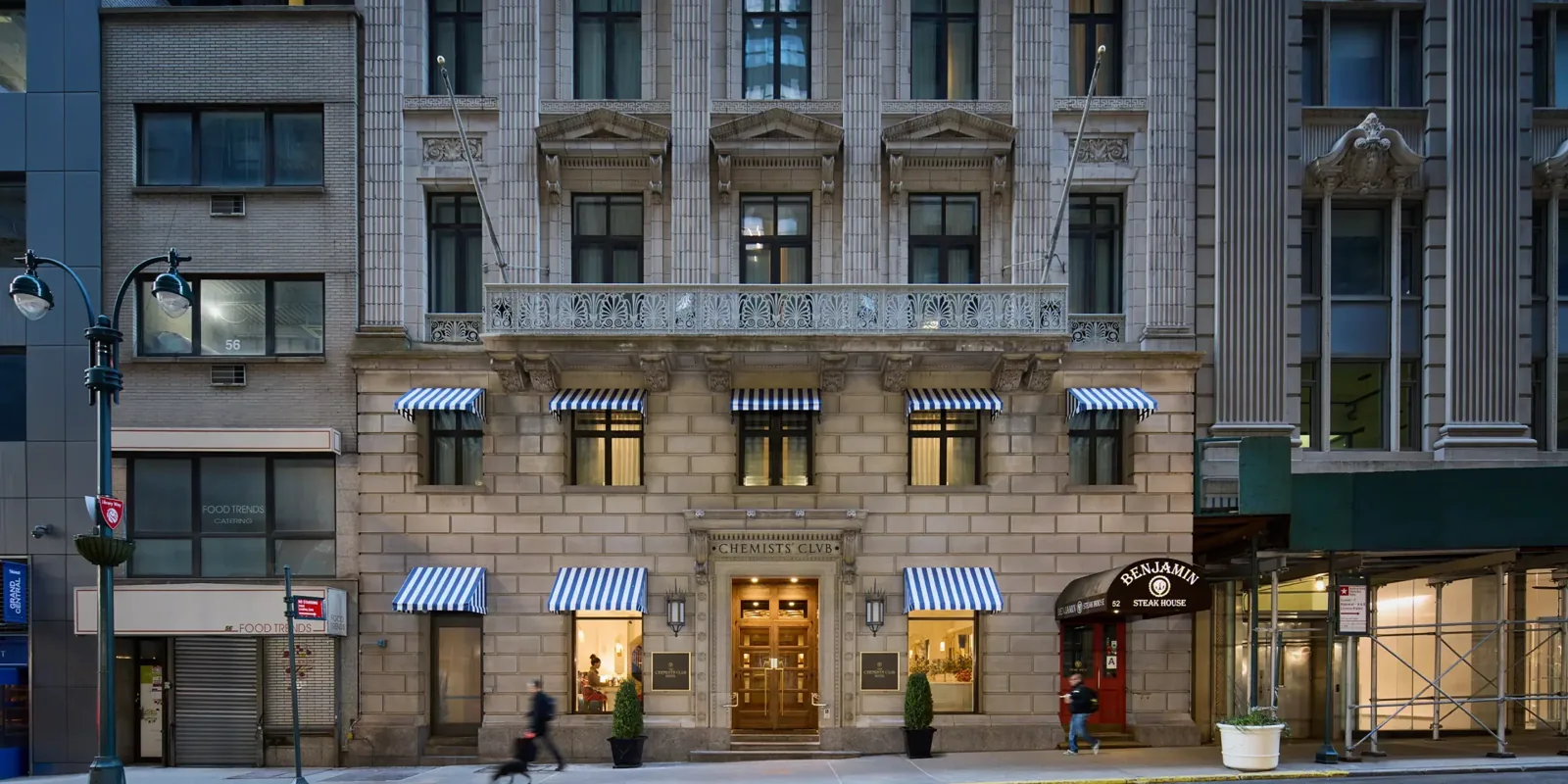
A campus roof inventory reads like a timeline of building eras. Lecture halls, labs, residence halls, libraries and athletic buildings go up in different decades, with different decks, insulation and flashing details and different rooftop loads. No single standard repair fits all of them. In South Fulton, GA, long hot humid summers wear every surface, and storm wind can arrive in any month. The first job is a roof-by-roof record that states what each building actually has.
Building use: labs, halls and residence blocks
The use below sets the risk. A lab building carries exhaust stacks, fume hood fans and makeup air units, and every one is a penetration. Some discharge vapors that attack membranes. A residence hall puts sleeping students under the roof, so a leak turns into a room closure within hours. A library or archive holds paper that water ruins.
Lecture halls and student centers span wide and open. Water that enters travels far from the entry point, and a ceiling stain can sit several feet from the defect.
Each roof zone is tagged with its use and its exposure, listing what lies beneath: labs, electronics, records or beds. That ranking decides which building gets the first dollar.
South Fulton covers more than 90 square miles and includes commercial districts along Roosevelt and Old National highways. A site visit near South Fulton begins with the campus map and the roof plan, side by side.
Roof mechanism: heat cycling, foot traffic and drains
Georgia summers are long, hot and humid, and a 95°F afternoon turns up about seven times a year in Atlanta. A dark membrane runs hotter than the air above it. Seams and flashing grow each afternoon and shrink overnight, and after enough cycles the weak spots open.
Equipment multiplies the wear. Technicians walk the same route to the same units, and the sheet fails there first. Walkway pads help. Curbs shift with their units and the flashing cracks.
Drainage is the third mechanism. Many campus roofs have few drains for the area they serve, and leaves from campus trees block them. Ponding adds load and finds seams. The drain and scupper check is part of every pass.
Wind reaches corners and edges first. The Peachtree City warning area logs building-damaging gusts through the whole year. A tall residence hall takes stronger gusts at the parapet, so the edge metal there gets extra attention.
Inspection findings: building-by-building records
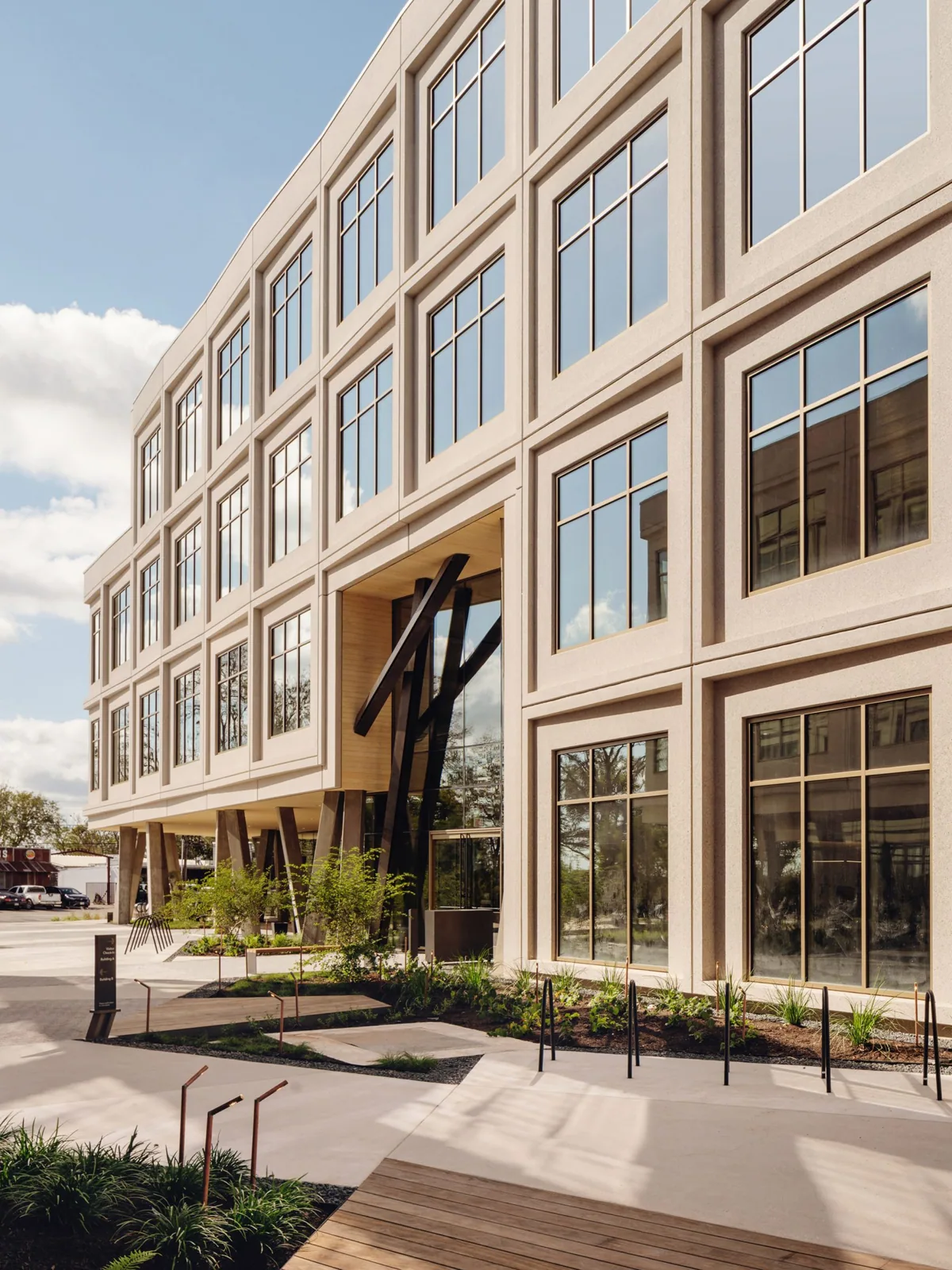
Each roof is walked and photographed, first the whole zone, then every edge, curb, drain and penetration. Findings are numbered on the plan. A campus-wide survey ends as a ranked table listing building, roof zone, system, visible condition, moisture status and a recommended path.
Where stains or soft spots show, moisture readings follow. An infrared moisture survey draws the wet boundary across large roofs in short order, and a test opening confirms the layers. Cores show whether an earlier recover sits underneath. Two roofs on one deck carry extra weight and hide moisture.
An EF-2 tornado documented by the NWS in March 2018 ran between Fairburn and Campbellton inside South Fulton, and The same region sees large hail on about seven days in a typical year. Following a storm, the earlier photo route is walked again and compared.
A condition report pulls all of it into a file the facilities office can keep and compare year to year.
Scope options: repair, restore, recover, replace
Each zone can go one of four ways. Repair handles local defects. Coating restoration stretches the life of a sound, dry membrane. A recover puts a second sheet on a dry roof whose deck can carry it. Replacement is for roofs where moisture runs wide or the layers are used up.
Cost follows scope and access. Tear-off, disposal, insulation, lift time, interior protection and weather holds are separate lines. A coating restoration costs less than replacement, and it fits only a clean, dry membrane.
Campus budgets run on cycles. A capital plan ranks buildings and assigns a replacement year, so a failure does not land outside the budget year. Roofs that can wait receive a maintenance schedule, and roofs at risk go first.
Alternates help a facilities office. A cover board over the insulation, walkway pads along equipment routes and extra drains on ponding roofs can each be priced as an add so the committee chooses with real numbers in front of it.
Access and sequencing: terms, breaks and move-in dates
The academic calendar decides the windows. Summer is the long one, winter break is shorter, and move-in dates are fixed. The schedule is worked backward from them.
Residence halls take the earliest slot, classroom roofs follow, and offices and labs come when their schedules allow. Sections are sealed the same day they open, which keeps the interior dry through storm season.
Staging routes avoid walkways, dining areas and event spaces, and fencing separates the work zone from foot traffic. Cranes and lifts stand away from building entrances. Deliveries arrive outside class hours.
Lab buildings need coordination with research staff, since exhaust fans may have to keep running and some units shut down only at set times. The handoff with the mechanical contractor is planned ahead. A leak call is answered at any hour, holidays included, and the first step is a safe dry-in.
Code coordination: permits, owner standards and warranties
Georgia's state minimum codes point to the 2024 IBC, and South Fulton's permit office has applied it since the start of 2026. The state energy code remains the 2015 IECC with supplements. Replacement design meets both: insulation thickness follows the energy code, while attachment and wind uplift follow the building code.
Owners may add their own standards, and those are read before design starts. Warranty terms get the same reading because an off-spec repair can void coverage, and where a metal or membrane roof is under warranty the manufacturer's repair method governs and the notice date is logged. Residence halls share sleeping-occupancy limits with hotel roofing, and classroom blocks share break-window limits with a school roof.
Send the campus map, roof plans and term dates
Which campus buildings get inspected first?
The roofs over the highest-consequence use: residence halls, labs and archives. After those come the oldest roofs and any with a leak history. A ranked table shows the order and the reasoning, and it becomes the base for the budget request and the yearly re-inspection.
How is exhaust from lab buildings handled?
Each stack is photographed with the membrane around it. Chemical vapor can soften some membranes, so wear near the discharge is a finding. Where wear shows, a resistant membrane or a taller stack is the fix. Roof work near fume hoods is coordinated so exhaust is not interrupted without notice.
Can a roof replacement finish before move-in?
Usually, if the work is phased and material is ordered early. Residence halls go first and each section is sealed daily. Any section that cannot finish is temporarily sealed and completed after move-in on a quiet schedule. The plan names which sections are in that state.
Is coating restoration right for an older campus roof?
Only if the membrane is sound and the insulation is dry, which a moisture survey and cores settle. Coating over wet insulation traps the problem. Where a roof qualifies, restoration costs less than replacement and its expected extension is stated in the report.
What records should facilities keep for each roof?
The roof plan, system type, install date, warranty paperwork, inspection reports, repair logs and photographs, packed in one file per building. A new facilities manager a year later can open it and see what was done and when.