
- Home
- School Roofing
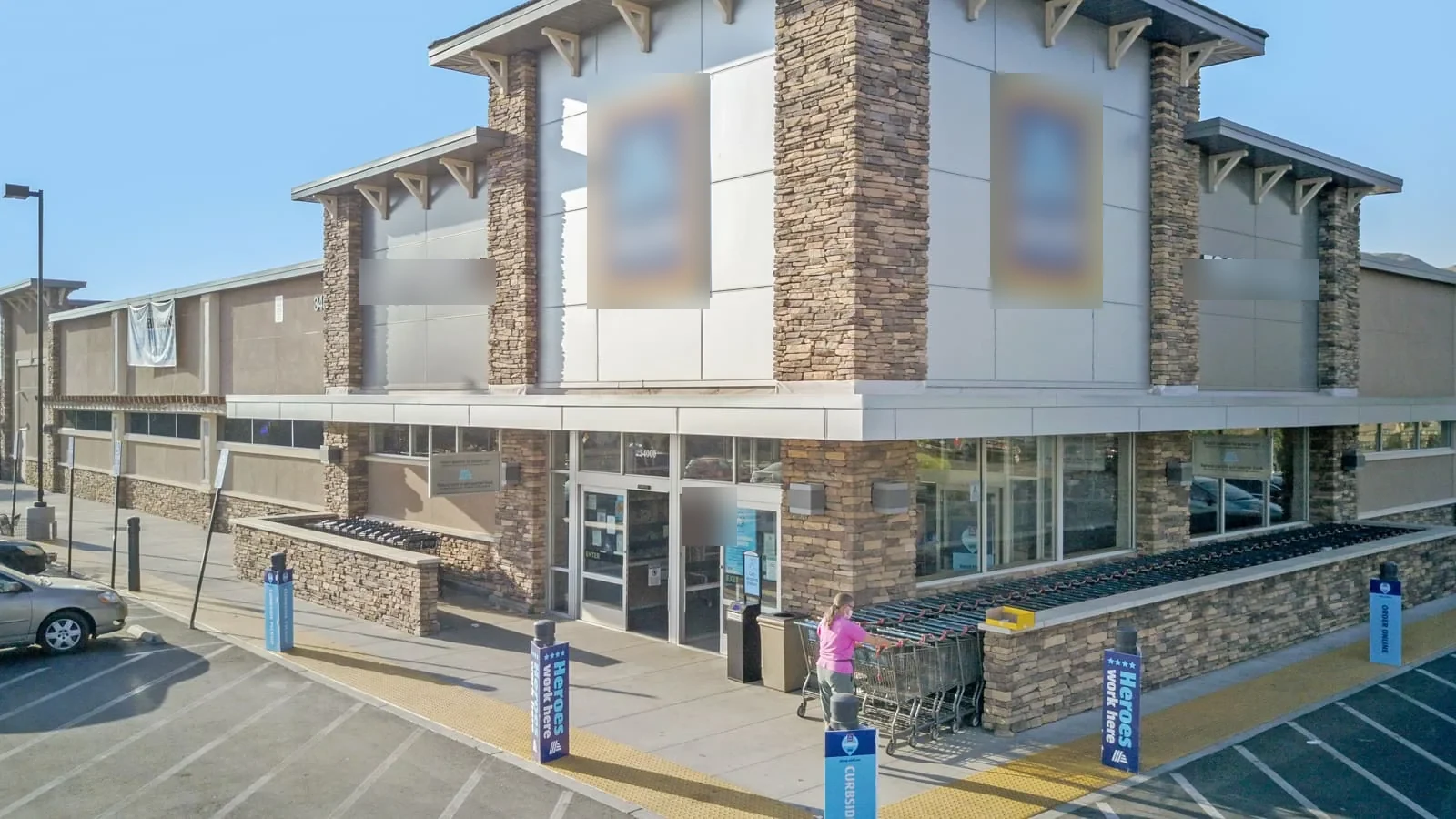
School Roofing in South Fulton, GA
A school is several roofs wearing one name. The classroom wing, the gym, the cafeteria and the covered walkways each sit under a different deck, a different span and often a different year of work. Start there. A repair that suits the flat classroom wing may be wrong over the tall gym. In South Fulton, GA, the seasons add pressure. Summers run long and humid, and damaging thunderstorm wind reaches the region in every month. The roof plan has to name each zone before any scope is priced.
Building use: wings, gyms and walkways
Each part of a campus asks something different of its roof. Classroom wings are low and wide. Water drains toward a few outlets. Gyms and cafeterias have long spans and tall walls. Wind loads them differently, much as it does on fitness center roofs. Covered walkways are small, but they sit above students every day.
We sort the campus into roof zones. Each zone gets its own record: deck type, layer stack, drain plane, penetrations, and edge detail. Rooftop units on classroom wings are the most common source of leaks. Every curb is a seam in the roof.
The use below the roof sets the priority. A leak over a gym floor damages flooring that costs far more than the patch. A leak over a server closet or a records room has a different cost than one over a hallway. We rank zones by what the water would reach, not just by age.
The city describes South Fulton as covering more than 90 square miles, with established business districts on Roosevelt and Old National highways. Those place names help frame a site visit around South Fulton. They do not reveal what is on a given school roof. Campus buildings of a college follow similar planning, as in college and university roofing.
Roof mechanism: corners, curbs and ponding
Wind pulls hardest at corners and edges. The field of a roof sees less. If the edge metal is loose or the membrane is poorly secured at the perimeter, uplift starts there. Across the Peachtree City warning area the weather service records damaging thunderstorm winds through all twelve months, near 19 days annually, and a campus has plenty of exposed edge to catch them.
Heat works on seams. Georgia summers run long, hot and humid in NOAA's telling, and Atlanta passes 95°F on about seven days a year. A single-ply seam expands each afternoon and contracts overnight. Over years, that movement opens weak welds.
Ponding is the third mechanism. A low-slope roof that holds water after rain adds load and speeds wear. Clogged scuppers cause most of it. Leaf litter from campus trees is a steady supply. The drain and scupper check comes before any membrane work.
Sealant over a failed detail is a temporary hold. It does not change the mechanism. We mark each hold as temporary in the record.

Inspection findings: what gets marked
The first walk is slow and specific. We photograph the whole roof zone, then each edge, drain, curb and seam run. Every finding is placed on the roof plan with a number.
Common school findings: open flashing at wall terminations, loose coping, saturated insulation near drains, and punctures from past equipment service. Abandoned penetrations from old equipment are common, and each is a leak path if the cap fails.
Where a stain suggests wet insulation, we take a moisture reading. An infrared moisture survey traces the wet boundary and leaves the membrane uncut. If the map is unclear, a test opening settles it. The wet boundary then sets the repair boundary.
After a hail or wind event, the same walk is repeated and compared to the earlier photographs. NWS climatology puts large hail over north and central Georgia on roughly seven days annually, with April leading. Such a report justifies a look and says nothing yet about one roof.
Scope options: repair, recover or replace
Each zone leaves the inspection with one of three paths. Repair holds when the membrane is sound and the defects are local. A recover adds a new membrane over a dry, sound roof when the deck and layers can carry it. Replacement applies when moisture is widespread or the layer stack is spent.
School districts weigh cost against the number of summers left in the roof. We price each path in lines: tear-off, insulation, access, interior protection, and weather hold. A recover avoids tear-off cost but cannot go over wet insulation. The moisture map decides whether it is available.
Phasing is often the practical answer. The worst zones go first. The rest get a maintenance plan and a dated replacement target. A capital plan turns that into a budget request with evidence behind it.
Access and sequencing: summer breaks and live campuses
The summer break is the main work window. It is fixed, and a delay does not move it. So the schedule works backward from the first day of school. Material is ordered early. Submittals and permits are done in spring. Tear-off starts the week students leave.
Each day closes with its section dried in, the dry-in limit, and in storm season nothing stays open overnight. The staging route is set away from buses, play areas and entrances. Fencing goes up before equipment arrives.
Work during the school year follows tighter rules. During the school year a leak call is picked up at any hour, holidays too, and the first move is a safe dry-in. The crew checks in at the front office, uses an agreed route and keeps tools out of corridors. Permanent work waits for a break.
The trade handoff matters on a school too. Roof work meets mechanical, electrical and fire-alarm work at rooftop units. We coordinate who disconnects, who lifts and who reconnects.
Code coordination: what applies to a South Fulton permit
School reroofing in South Fulton falls under the 2024 building code family with Georgia Amendments, effective January 1, 2026, plus the 2015 energy conservation code that the Department of Community Affairs lists for the state. Insulation thickness follows the energy code. Wind uplift and attachment follow the building code.
We confirm the edition in force at the time of permit. Owner standards go into the specification.
Send us the roof plans and the break dates
Can a school roof be replaced entirely in one summer?
Often yes for a single wing or a smaller campus. A large campus may need two summers. The deciding factors are roof area, material lead time and weather. We split the work by zone and finish each zone dried in. If a zone cannot finish, it is sealed to a temporary state before classes begin, and the plan says which zones are in that state.
What should we do about a gym roof that leaks only in heavy rain?
Treat it as a drain or flashing problem first. Heavy rain means a high volume of water reaching the roof edge, a scupper, or a wall joint. We check overflow drains, wall flashing and coping. A water test with a hose, zone by zone, finds the entry point. A repair at the wrong spot will not stop the leak.
Does a school need a cover board on a new roof?
In most cases it is worth specifying. A cover board over insulation protects against hail, foot traffic from rooftop service, and punctures. In a region with large hail about seven days a year in the warning area, the added layer protects the insulation, which is the costly part. The cover board choice follows the system and warranty.
How do we separate storm damage from old wear after a storm?
Compare against an earlier photograph set. If none exists, take cores and moisture readings. Fresh hail bruising and fractured facers look different from age cracking. The report lists new findings apart from existing conditions, so any insurance conversation uses one record.
Who coordinates with mechanical trades when a rooftop unit is in the way?
We do, with the district's facilities lead. The unit is disconnected by the mechanical trade, lifted by us, and set back on a rebuilt curb. We record the curb condition before and after. Reconnection and start-up belong to the mechanical contractor, and the date is set in the schedule.