
- Home
- Acrylic Roof Coatings
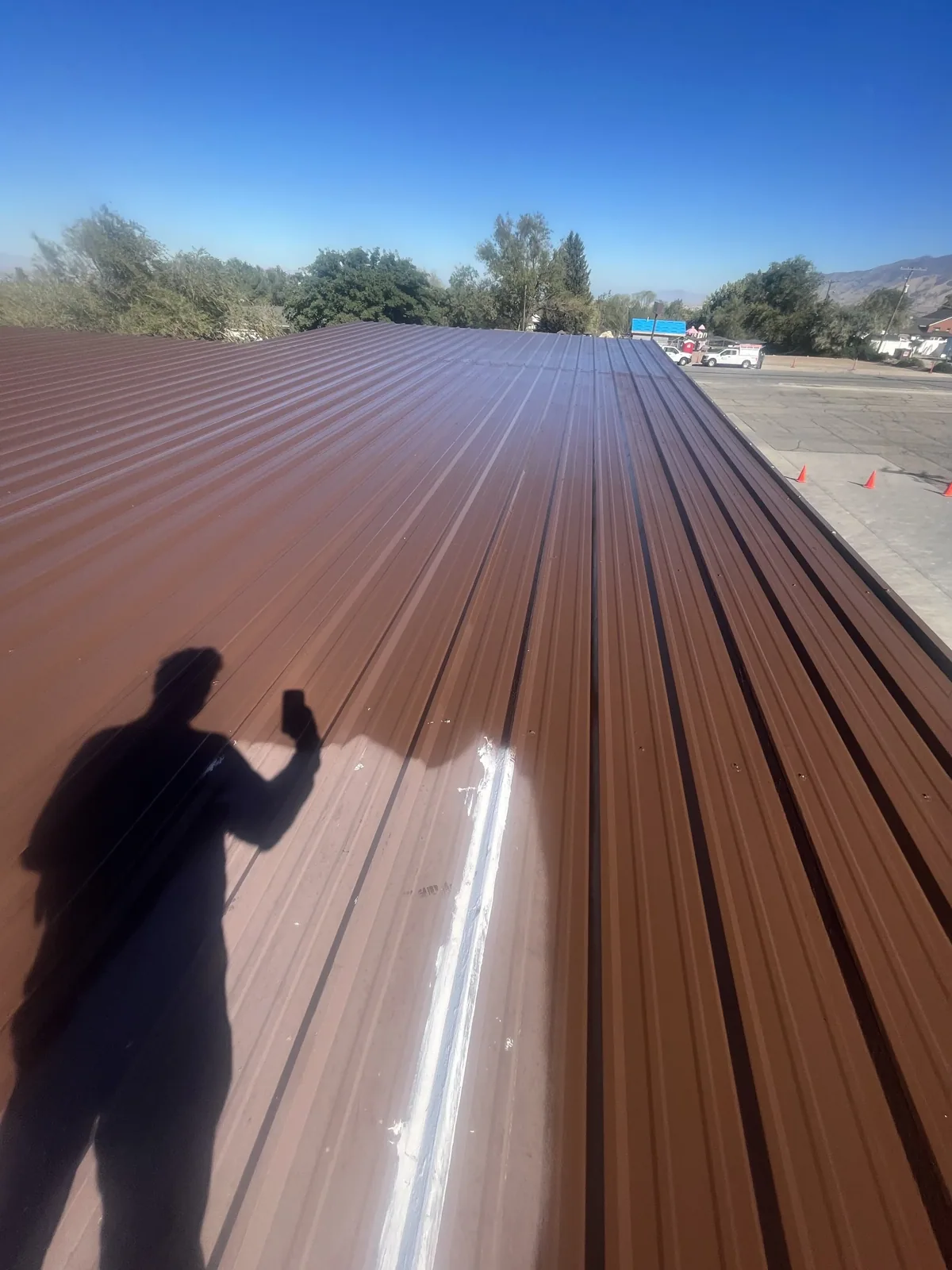
Acrylic Roof Coatings in South Fulton, GA
An acrylic coating is a water-based layer that dries into a white, reflective skin. It goes over metal, single-ply, modified bitumen and some foam surfaces when the roof beneath is sound. The building use sets the traffic. The roof zone sets the drainage. The mechanism that changes the sequence is water: acrylic does not like to sit in it. Our first walk checks where water stands and where it goes.
Acrylic is easier to apply and to recoat than many coatings. It reflects sun and lowers surface heat. It does not tolerate long ponding, because water can soften the film. In humid country it can also grow mildew where moisture lingers. A roof with good drainage suits acrylic. A roof with ponds needs the ponds fixed or a different coating.
Old National and Roosevelt carry South Fulton's established commercial districts, and the Fulton Industrial District lies beside the city. Acrylic can go on metal panels, single-ply sheets and other surfaces, with the right primer. Where a building stands says nothing about its surface, so the adhesion test on the actual roof settles the choice.
Roof mechanism: drainage and standing water
Standing water breaks down acrylic over time. The rule of thumb is that water should leave the roof within a day or two of rain. We measure ponds after rain and record depth, extent and duration. Persistent ponds go on the plan with a recommended fix: drain work, tapered insulation or a different coating for those areas.
A drain or scupper check starts every coating scope. Strainers are cleared, bowls are inspected and the line is tested. Clogged drains turn small ponds into big ones. After the coating is on, a visit following the first heavy rain confirms that water leaves as expected.
Pond edges often show a ring of dirt where water evaporates. That ring marks the ponding line, and it helps show how deep and how long the water stood. We photograph it, measure the area and compare it with the plan. Rings that grow between visits mean the slope is changing. Ponds that clear within that window stay on the watch list rather than the repair list.
Heat, humidity and mildew
Georgia's long, humid summers keep shaded roofs damp, and NOAA counts about seven Atlanta afternoons a year above 95 degrees Fahrenheit. Heat and humidity favor mildew on any surface that stays damp. Shaded roof edges, areas under trees and spots beside rooftop units are common sites. We look for dark staining and test it with a bleach drop to separate mildew from dirt.
Mildew is cleaned before coating, and a mildew-resistant formula is specified where the risk is high. Reflective white lowers surface heat, which also helps. The regional numbers set a reason to check. The roof itself sets the finding, and we photograph it with a date.
Washing is part of prep. Low-pressure water and a cleaner lift dirt, chalk and mildew. The roof must dry fully before coating. We check dryness with a moisture meter at test points, since a surface that looks dry can hold water in a lap or a crevice. Readings are logged with the time.
Inspection findings: seams, flashing and substrate
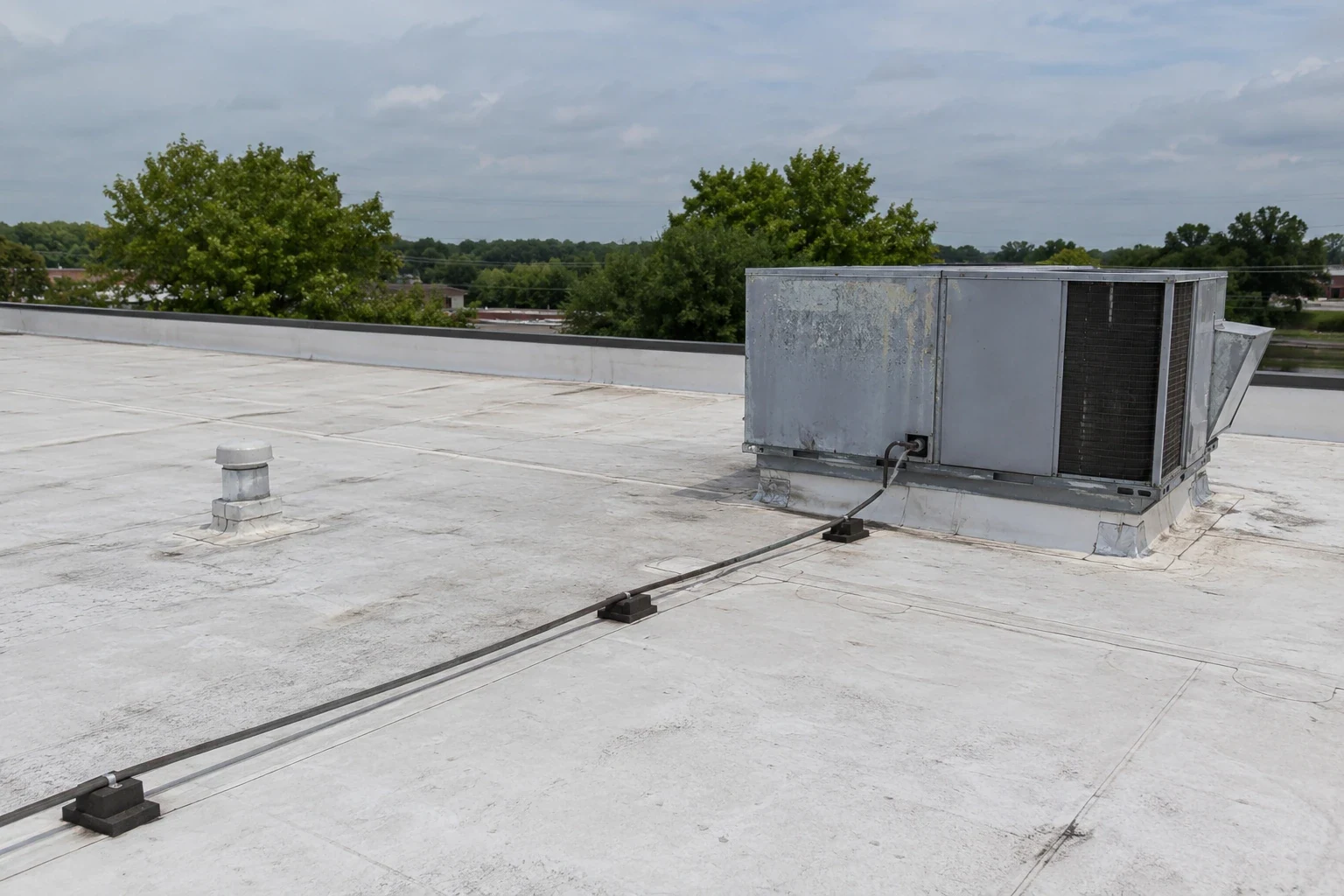
As with any coating, acrylic hides nothing that is open. Seams, laps, flashings and punctures are repaired before coating. Rust on metal is treated. Loose granules on modified bitumen are swept. Blisters are cut and dried. Each repair is logged. A moisture survey and cores confirm that the insulation below is dry.
An adhesion test follows cleaning. We apply a small patch, let it cure and pull it. If it lets go, we change the prep or the primer. The test result and the location go into the file. Silicone systems and acrylic systems do not mix well, so the existing coating, if any, is identified before the order is placed.
Fabric reinforcement across seams and penetrations is a core detail. A strip of polyester fabric is bedded in wet coating and covered by another layer. It bridges small movement. Tears, bubbles and wrinkles are photographed and fixed before the next coat. The detail is marked on the plan.
Weather windows and storm peaks
Acrylic dries by evaporation, so it needs a dry day and enough time before rain. A shower soon after application can wash the coat away. Spring is the risky season for a fresh coat. The NWS logs damaging wind in the Peachtree City warning area during every month, large hail falls most often in April across north and central Georgia, and tornadoes cluster from March through May.
We start after a dry night and stop in time for the coat to set. The forecast is checked each morning, and the dry-in limit is set each day. After a hail event, the surface is walked for breaks in the film, which are patched and recoated.
Wind during application can spray coating where it is not wanted, and gusts can lift fabric. We hold work if gusts rise. Hail, if it falls, is documented as soon as the roof can be walked.
Scope options: coat, repair or replace
A sound, dry roof with a worn surface suits a restoration coating in two coats with fabric at seams. A roof with wet insulation or open seams needs repair first, or a recover or replacement. The scope states the coverage rate, the number of coats and the recoat interval.
Since January 1, 2026, South Fulton permits have been reviewed against the 2024 International codes as amended by Georgia. Energy rules stay with the 2015 IECC. A reflective coating may help energy performance, and the scope notes how it is credited and what warranty terms apply.
Cost follows area, prep, repairs, coverage rate, coats and access. A thicker film costs more and lasts longer. The scope lists each driver as a line.
Access and sequencing: occupied buildings
Coating work is quieter than tear-off and often fits around tenants. Fresh air intakes are covered because of odor. Wash water is kept out of storm drains where rules apply. Walkways stay open during cure, with pads where traffic crosses fresh coating. In the Old National Commons area, where the city's plan notes existing commercial space, the plan routes materials away from entrances and parking.
After the job, the owner receives photographs, the plan with coated areas, test results, thickness readings and product data. A yearly inspection follows, and a recoat is scheduled before the film wears thin. Primer and fabric strips cure on their own clock, so the schedule shows each cure window beside the dry-in limit.
Send the roof plans and the access window
Is acrylic suitable for a roof that ponds?
Only after the ponds are fixed, since standing water softens the film. Measure the ponds after rain. If they last more than a day or two, correct the drainage or choose a different coating for those areas.
How soon after application can it rain?
Each product lists a minimum dry time on its data sheet. Check the forecast each morning and stop early if the sky turns.
Will acrylic grow mildew in Georgia humidity?
It can where moisture lingers. Clean first, use a mildew-resistant formula in shaded zones and inspect those areas yearly. Photograph them to track change.
Can I put acrylic over silicone?
Generally not. Most acrylics do not bond to cured silicone. Identify the existing coating before choosing a new one.
How often should an acrylic coat be renewed?
Thickness, exposure and wear set the interval. An annual inspection fixes the date, and a recoat goes on before the film thins to the base.