
- Home
- Standing Seam Metal Roofing
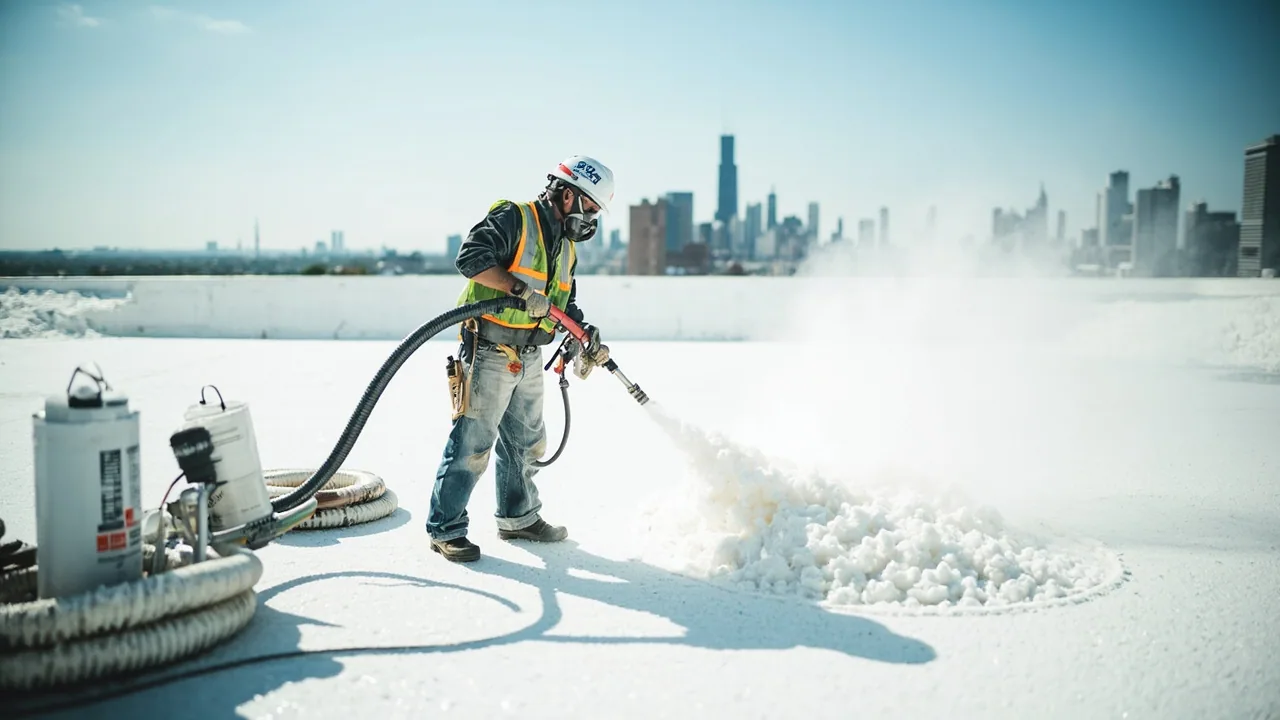
Standing Seam Metal Roofing in South Fulton, GA
A standing seam roof covers many commercial buildings with a sloped or low-slope metal skin. Think of flex space, offices, and light industrial shops. The building use sets the traffic and equipment. The roof zone fixes the panel run and the eave line. The mechanism that changes the sequence is movement. Metal expands and contracts every day, and the clips under each panel have to let it slide.
A standing seam panel locks to its neighbor along raised seams. Hidden clips attach the panel to the deck without piercing it. That removes exposed fasteners from the field. It does not remove failure points. Clips can bind. Seams can open at the ends. Sealant at penetrations can crack. Our first walk checks the clip line, the seam lock and every penetration.
Light industrial and flex shells are typical hosts for metal panels, and South Fulton's largest commercial corridor, South Fulton Parkway, and the neighboring Fulton Industrial District are places such shells could be found, but only the roof itself says what a building carries, so we read it zone by zone and write down what we see.
Roof mechanism: thermal movement and clips
A long panel changes length with temperature. In a Georgia summer, the metal heats well above the air and then cools at night. If the clips allow slide, the panel moves freely. If a clip binds, the panel buckles or the seam opens. Signs include oil canning, noise at dawn and dusk, and gaps at trim.
NOAA's summary of Georgia weather is long, hot, humid summers, with Atlanta passing 95 degrees Fahrenheit about seven days a year. That regional signal points to daily movement through the warm months. We do not assume a roof moved a given amount. We measure the gap at the eave and the ridge, photograph the trim and note any distortion.
Fasteners at trim and flashing are the exposed parts. They back out with movement, and their washers age in sun. A backed-out fastener leaves a path for water. We check a sample along every trim run, replace what is loose with correctly sized fasteners and photograph the result. The count and location of each replaced fastener go in the log.
Corner pressure, hail and tornado season
Wind presses hardest at corners and eaves. A panel end that lifts can peel the row beside it. The NWS warning area around Peachtree City records damaging thunderstorm winds each month, roughly 19 days a year, with a spring and summer peak. We check the trim, the eave clip spacing and the panel ends after strong storms.
Large hail comes to north and central Georgia chiefly in April, and tornadoes can come in any month but cluster in March through May. Hail dents ribs and flats. Dents that leave the finish intact are cosmetic. Dents that crack the coating invite corrosion. We count dents per test square, photograph them and note the finish condition.
Edge conditions deserve a second look. Rake trim, eave trim and ridge cap all take wind first. We look for lifted ends, gapped laps and missing sealant. A lifted piece is secured on the first visit, and the permanent repair follows. A wind damage record keeps the finding with its date.
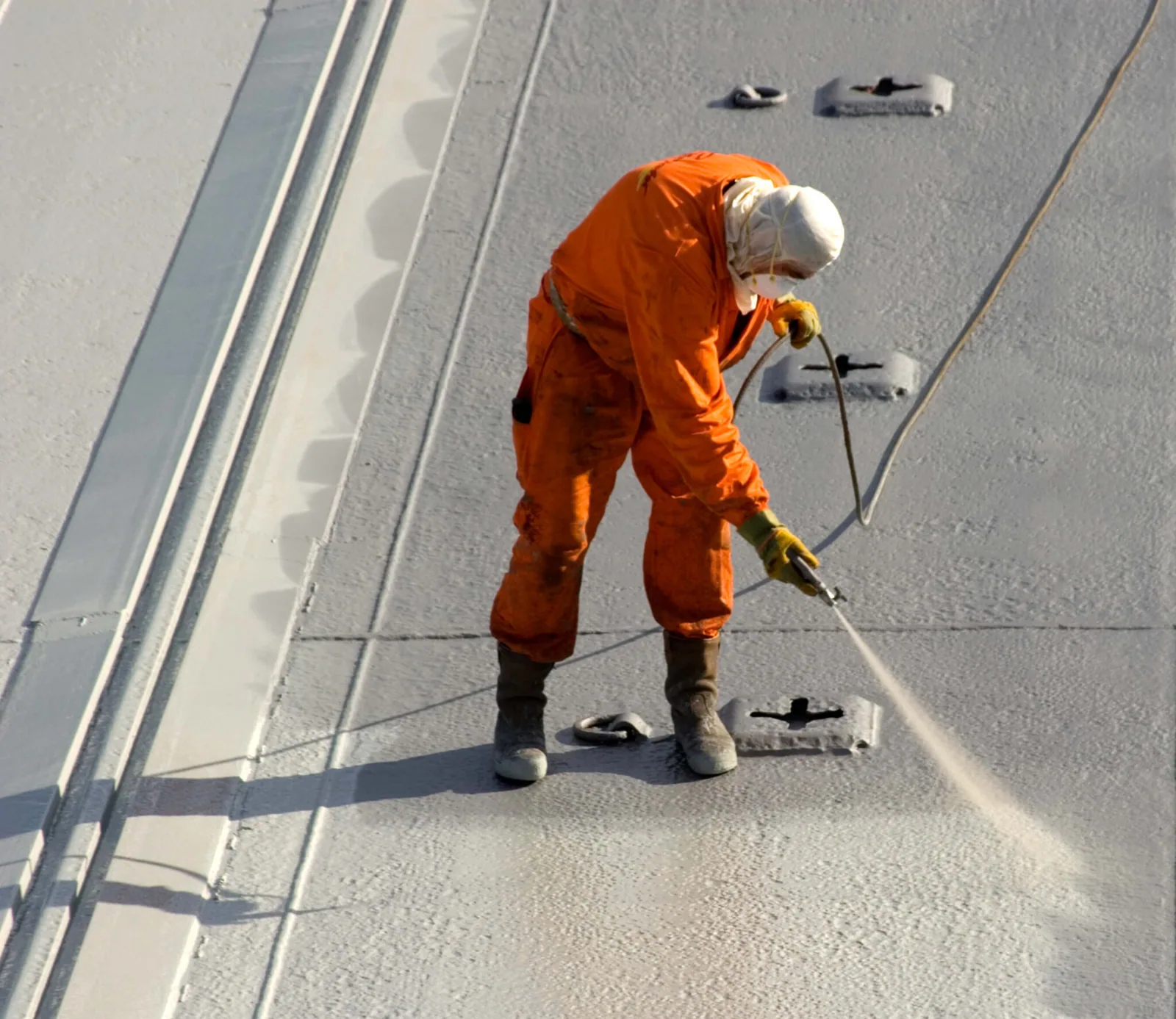
Inspection findings: seams, ends and penetrations
The pass runs panel by panel. We press the seam lock, look at the panel end laps and check the trim fasteners. We look for rust at cut edges and at fasteners. Then penetrations: every curb, pipe and skylight has a flashing, and many have sealant. Sealant ages in sun and splits. We probe each and log it.
If water enters, the path is often at a panel end, a trim joint or a penetration, not in the field. We trace the stain uphill, photograph each candidate and test with water when access allows. An infrared survey maps wet insulation below. Drains and gutters are checked in the same pass, as in edge metal and gutter work.
Insulation below a metal roof is often blanket or board over a liner. Water that enters can soak it without any stain on the ceiling. A moisture survey from inside, where access allows, finds wet blanket. The wet area becomes part of the repair boundary.
Scope options: reseal, repair, restore or replace
Many standing seam leaks are fixed at the detail: new sealant, new boots, re-engaged trim. Open seams can be re-crimped. Rust spots can be cleaned and coated. A sound roof with a faded finish can be restored with a compatible coating, as with a silicone coating. Heavy corrosion or widespread clip failure moves the scope to panel replacement.
Permits issued in South Fulton since January 1, 2026 are reviewed under the 2024 IBC and its Georgia amendments. The energy code is the 2015 IECC with local amendments. A change to insulation or an added roof layer is checked against both before work starts.
Cost depends on panel length, number of penetrations, trim run, access and the method chosen. A resealing visit is a small cost. Panel replacement involves matching profile and finish, and lead times for custom panels can set the schedule. The scope states the lead time and the approval point.
Access and sequencing: sloped roofs and staging
Metal panels are slippery when wet or dusty. Fall protection is set before any walk. Tie-off points, harness lines and safe routes are marked. A crew stages panels at ground level and lifts them in order. Along the Camp Creek Parkway corridor and nearby business areas, the lift is booked only after staging space is checked.
Weather sets the work window. Sealant wants a dry panel, and wind limits panel handling. We keep a fallback date for spring storms and set the dry-in limit each day. Once the job ends, the owner holds photographs, a plan with each repair marked, test results and product data. Related options include a metal retrofit over an older exposed-fastener roof.
A general contractor on a new building can ask us to walk the roof before final acceptance. The walk checks the clip line, the seam lock, the trim and each penetration against the specified assembly. Findings go in a list for the installer to correct while the warranty clock is still being set.
Send the roof plans and the access window
Why does a standing seam roof leak if it has no exposed fasteners?
Leaks usually start at panel ends, trim joints and penetrations, where sealant and flashing do the work. Trace the stain uphill and test each detail. We recommend resealing with compatible sealant and replacing worn boots first.
Are hail dents a reason to replace panels?
Only if the dents crack the coating or affect seams. Cosmetic dents with an intact finish are documented and left. Count dents per test square and photograph them for the record.
What is oil canning?
A visible waviness in flat metal. It is usually cosmetic and can come from clip binding or panel stress. Measure it and watch for gaps at trim, since those signal a bigger movement issue.
Can a metal roof be coated?
Yes, if the metal is sound, seams are tight and rust is treated. A compatible coating can restore the finish and extend life. Clean and prime before any coating goes on.
How soon after a storm should I check the roof?
As soon as it is safe to walk. Check trim, ends and clips on the windward side first and photograph what you find.