
- Home
- Willingham Industrial Park
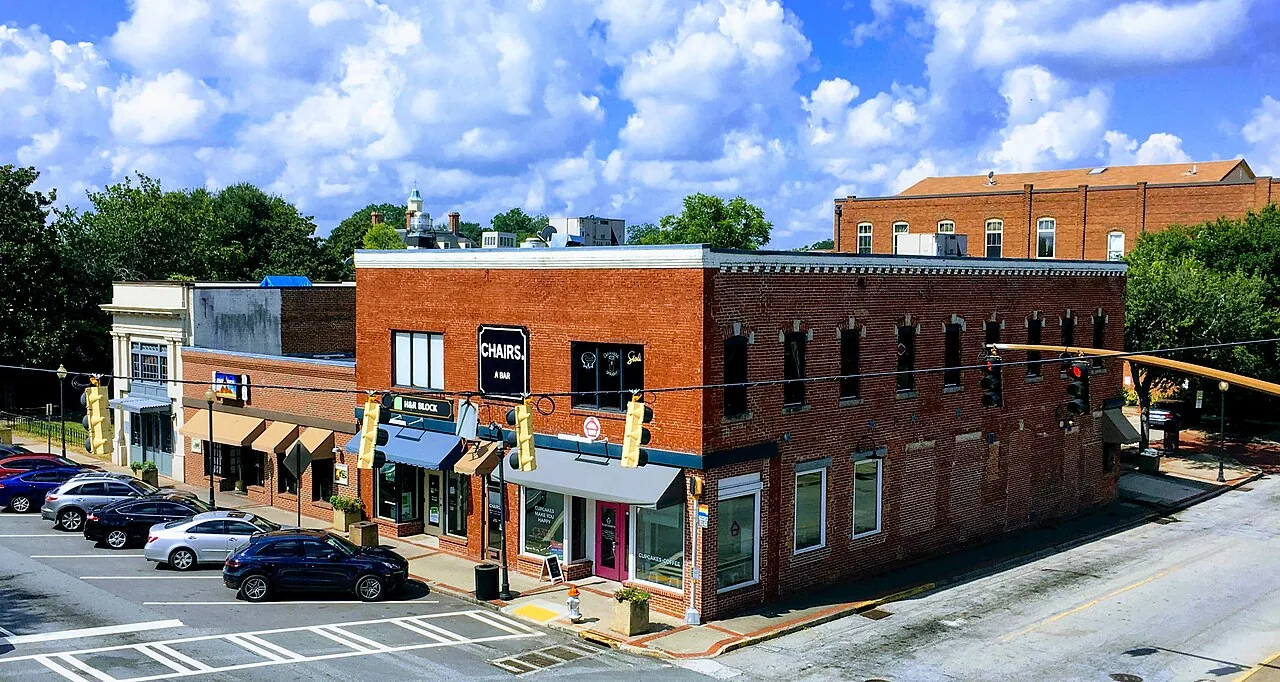
Commercial Roofing in Willingham Industrial Park, South Fulton, GA
East Point sums up the mix at Willingham Industrial Park as automotive repair, warehousing, manufacturing, and recycling uses. Four uses, four kinds of roof wear. A repair shop vents exhaust. A warehouse holds long seams over a quiet floor. A plant adds heat and process stacks. A recycling yard throws dust and debris at the membrane. The walk here begins with what each building does, then climbs to the roof zone above it and asks which wear pattern that use creates.
East Point's comprehensive plan also supports adaptive reuse of vacant or underused industrial properties. A GC taking on a reuse job in the South Fulton, GA area needs to know what the roof can carry before the interior plan is drawn.
Building use: shops, bays, plants, and yards
Central Avenue is the main road through the park, according to East Point, and it connects to Hapeville, Atlanta, and I-85. That tells us where trucks come from. It says nothing about the material of any roof. We ask each owner what runs below the roof, what the shift pattern is, and what paper exists.
Use sets the checklist. Automotive repair brings fume and exhaust penetrations, plus oil mist that attacks some membranes. Warehousing brings dock traffic and long drain runs. Manufacturing brings heat, stacks, and equipment loads. Recycling brings dust, moisture, and impact from handling. Each use marks a different set of roof zones for the closest look. The East Point plan treats the industrial districts as important employment centers. In a working plant a leak costs production, not just plaster, so we rank repairs by what each one puts at risk beneath it.
Roof mechanism: chemical, thermal, and impact wear
Industrial roofs wear in three ways beyond weather. Chemical wear comes from oils, solvents, and fumes that soften or crack some sheets. Thermal wear comes from heat below and heat above, which stress seams and insulation. Impact wear comes from tools, debris, and foot traffic, which puncture and scuff.
Weather adds its own load. Georgia summers are long and humid, and Atlanta tallies about seven days a year above 95 degrees. Heat and exhaust stack. A membrane near a plant stack can run hotter than the rest of the roof, and it ages faster. We read the surface for chalking, blistering, cracking, and discoloration, and we mark where each sits relative to the source.
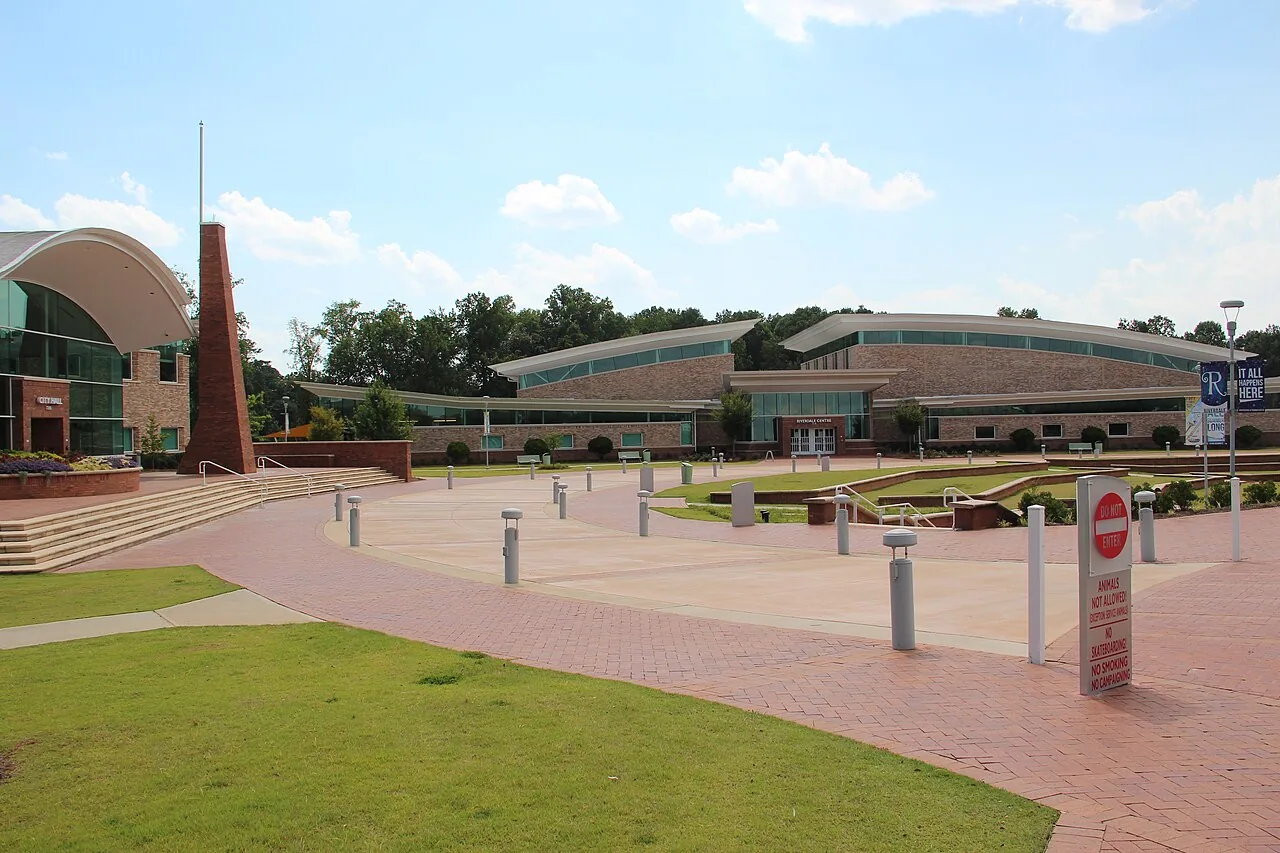
Inspection findings: where the use leaves marks
Marks cluster near sources. Staining downwind of an exhaust. Softened membrane around a vent. Punctures along a path to a unit. Ponding at a drain choked with debris. We map each against the roof plan, so the owner can see the cause as well as the symptom. Photographs are taken at the source, at midpoint, and at the edge of the affected area. The sequence shows how far the wear spreads and how fast. A cluster of exhaust stains lining up with the prevailing wind tells the owner which stack drives the wear. A stain that stops at a seam tells a different story than one that fades across the field.
Where the existing sheet is suspect, we take a small sample and test adhesion and compatibility before choosing a repair material. Where board feels soft, an infrared moisture survey maps the wet zone. A membrane puncture repair handles isolated damage. A cluster of punctures along a route may call for a walkway or a protective layer, not another patch.
Scope options: repair, protect, recover, or replace
The use shapes the options. A roof under an exhaust stack may need a chemically resistant sheet, such as PVC, at the next replacement. A roof under heavy foot traffic may need walkway pads and a thicker cover board. A roof over a quiet warehouse may need only seam work.
Moisture sets the boundary. Dry board and sound seams allow repair, restoration, or recover. A recover overlay also keeps the old roof in place during interior work, which can shield the new interior from weather. Tear-off exposes the building for a day or more, so we stage it in sections and keep the dry-in limit short. That choice depends on the interior schedule as much as on the roof. Wet board forces a tear-off of the affected zone. We price each path and name the conditions that could move the number. For a reuse plan, we add a column for what the roof will carry next: new equipment, added insulation, or a solar array. The insulation and cover board layers carry that decision.
Access and sequencing: reuse, tenants, and trades
Adaptive reuse brings interior work under the roof while the roof is being worked on. Demolition, new utilities, and new walls all share the building. The roof crew and the interior crew cross paths. We set staging routes, agree on shared hoists, and schedule roof penetrations before the interior trades need them. Each penetration is flashed the day it is cut, and the flashing is photographed before the next trade covers it. The log shows who cut it, where, and when, which protects the GC if a leak appears near a hole made by another trade.
Active tenants in the park keep working. We separate the work zone from the yard, mark truck lanes, and close each section in before the shift ends. The neighboring Southmeadow Business Park and the wider East Point area follow the same approach. A GC with sites in several places can reuse the plan.
Timing: storms and reuse deadlines
Damaging thunderstorm winds arrive in every month here, close to 19 days a year, and they peak in spring and summer. Hail is most likely in April.
A reuse project with a lease start date has little slack. Inspect early. Order long-lead materials early, because membrane, board, and metal can each take weeks to arrive and a late delivery pushes the dry-in into the next front. Confirm the lift date and the disposal plan at the same time. Put a written dry-in limit on every open zone. After a storm, the first walk goes to edges and corners. If a roof will be recovered, test for moisture before the tenant improvement starts, not after the ceiling is up. Georgia's state minimum codes include the 2024 IBC with Georgia amendments and the 2015 IECC for energy, so permits for the work should name the edition.
Send the roof plans and the reuse schedule
How does an automotive or recycling use change the roof plan?
It adds chemical and impact wear. Oils and fumes can soften some sheets, and dust and handling can puncture them. We test compatibility before choosing a repair and recommend protection where traffic or fallout is regular.
Can a vacant industrial building be reused without replacing the roof?
Sometimes. Dry insulation, a sound deck, and an adequate load margin allow repair or restoration. A scan, test openings, and the structural documents settle it. The result goes into the reuse plan before the interior is drawn.
What if the roof drawings are missing?
We build the record from the roof. Test openings show the layer stack. Photographs and measurements show zones, drains, and penetrations. The record becomes the drawing set the GC can use.
How do you coordinate with interior trades?
By schedule and by roof penetration plan. Cuts are made before interior trades need them, flashed the same day, and logged by location. Shared hoists are scheduled, not assumed.
What should the GC send?
Send whatever roof paper exists: plans, past repair records, loading limits and the reuse schedule. Active leaks are answered at any hour, holidays included.