
- Home
- Cool Roof Installation
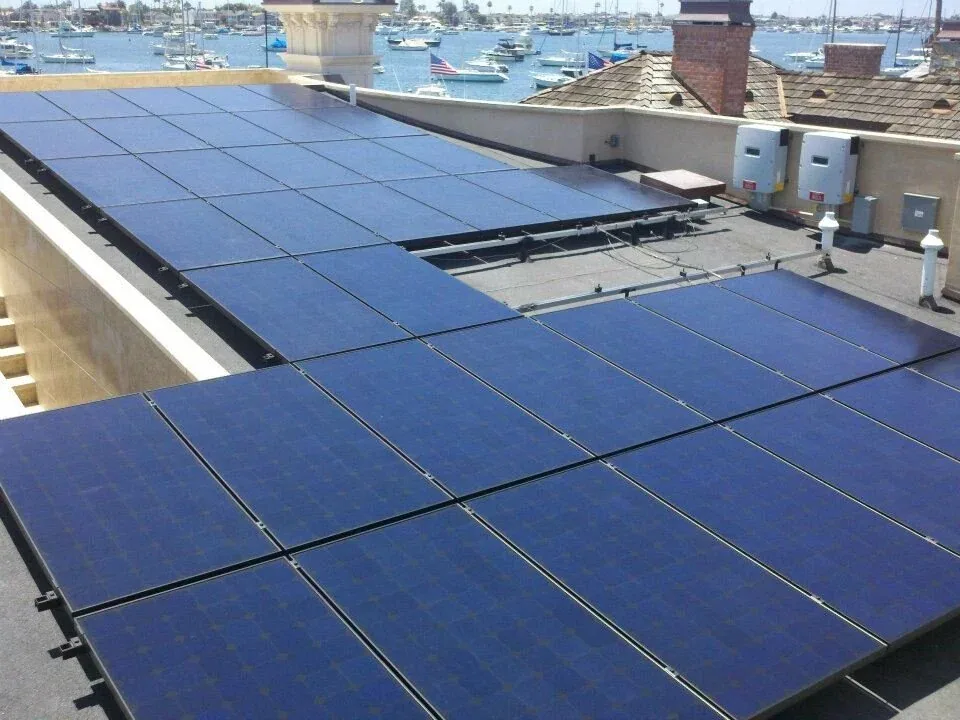
Cool Roof Installation in South Fulton, GA
Dark roofs take the sun and hand the heat to the building. A reflective roof sends most of it back. That difference matters in South Fulton, GA, where summers are long and humid, per NOAA, and Atlanta alone reaches 95°F on about seven afternoons a year. For a big-box, warehouse or flex property with a conditioned interior, roof surface temperature feeds directly into cooling load and equipment strain. A cool roof is not a miracle. It is a surface choice, and it has to be paired with sound insulation, dry layers and clean drains to deliver.
Building use: where reflectivity pays
The strongest cases are buildings with large roof areas and air-conditioned space below. Distribution and light manufacturing buildings fit. So do flex properties that join offices to warehouse bays, and office buildings anywhere in the city, from the South Fulton Parkway corridor to the highway districts.
The gain is smaller where the space below is unconditioned or where the roof is shaded by taller structures. The owner's goal also matters. Some want lower bills. Some want a cooler workspace. Some want a longer membrane life, since a cooler surface ages more slowly. Each goal points to a slightly different design, and the first walk sorts out which one applies.
A retail building on Old National Highway or Roosevelt Highway fits the tenant-comfort goal, since the units on its roof work hardest in July. A tenant who pays for cooling directly sees a lower roof temperature in the bill and in unit run time, and a manager sees fewer service calls on overworked equipment. The inspection records which goal drives the project, because it changes the product, the budget and the way results are judged.
Roof mechanism: reflectance, emittance and aging
A cool surface does two things. It reflects sunlight, which is called solar reflectance. And it releases absorbed heat as infrared, which is called thermal emittance. Light-colored membranes and coatings score high on both when new. Over time, dirt, algae, mildew and chalking lower reflectance. In a humid climate like Georgia's, growth and dirt pickup are real factors, so aged values matter more than new ones.
A lower surface temperature slows the aging of the membrane, since heat drives chemical breakdown and thermal movement. It also reduces the temperature swing across the day, which eases stress on seams and flashing. It does not replace insulation. A cool roof over thin insulation still loses conditioned air through the stack. The two work together, and the design looks at both.
Inspection findings: what the existing roof allows
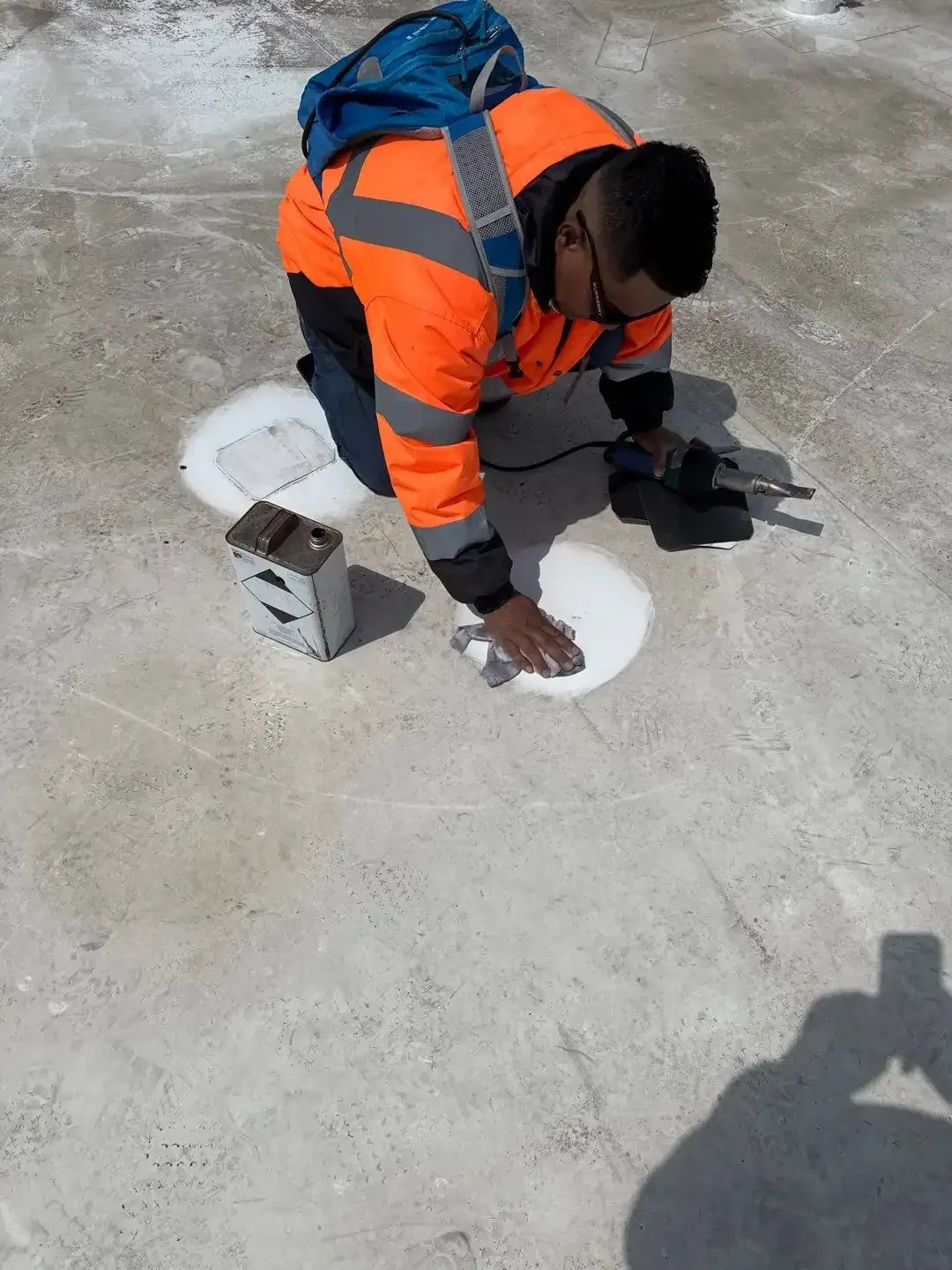
We start by reading the existing stack. A moisture survey and cores show whether insulation is dry. A cool surface over wet board hides the problem and traps vapor. We check the membrane for adhesion and condition, the deck for sound attachment, and the drains for slope. We record surface temperature on a hot afternoon with an infrared reading, which gives a baseline for comparison.
We also note shading, equipment, walkways and roof color patterns. Roof-mounted equipment casts shadows and exhaust warms the membrane nearby. A reflective surface near an air intake can also send heat toward neighboring glass, so the plan notes nearby windows and walls. The findings decide which route is open: a coating over a sound roof, a new reflective membrane in a recover, or a full replacement.
Scope options: membrane, coating, or both
Three routes lead to a cool roof. First, a reflective single-ply installed in a replacement or recover. White TPO and PVC are common, and light-colored EPDM exists too. Second, a reflective coating over a sound existing roof. Silicone and acrylic coatings both come in white and light colors, and each has its own handling of ponded water and dirt. Third, a reflective metal finish on a metal roof, where factory coatings or field-applied coats raise reflectance.
Georgia's mandatory energy rules still come from the 2015 IECC and state supplements. Whether its roof reflectance provisions apply depends on the project type, and we confirm that before the scope is final. If a replacement triggers insulation requirements, those are included. Product ratings come from the manufacturer's data, and we record the values used. The coating restoration route is the lower-cost path when the roof is sound.
Access and sequencing: keep the surface clean
A white roof shows every scuff, and a dirty one loses reflectance faster than a clean one. Heavy trades should finish before the final coat or sheet goes down. Equipment moves, curb work and conduit runs come first. Walkway pads protect the traffic routes. The crew keeps boots clean and avoids tracking dirt, oil or tar across the new surface.
Washing a membrane before coating, or at the end of the job, removes dust and residue. Overspray and fumes near air intakes need cover. On an occupied building, the plan notes the product odor and the cure time, and the property manager tells tenants. For a warehouse with dock traffic below, the crew stages away from doors.
The closeout file lists the product, the color, the manufacturer's reflectance values, the thickness or weight applied and the cleaning plan. A property manager can show tenants and lenders what was installed and why.
Timing: install in the heat, protect from the storm
Reflective coatings and heat-welded membranes work best on dry surfaces in moderate temperatures. In a Georgia summer, midday surfaces can run too hot for some products. Crews start early and stop before peak heat, and the humid mornings can leave dew that delays the start. Damaging wind shows up in every month of the NWS record, peaking in spring and summer, and large hail peaks in April. A fresh coat should not meet hail before it cures, so late winter and early autumn are favored windows.
After installation, a cool roof needs a cleaning schedule. A yearly wash and a post-storm check keep reflectance up and show damage early. For owners with several buildings near the Fulton Industrial District, one schedule can cover them all. Where solar panels are planned, the solar-ready roofing design ties into the same reflective surface and the same wiring routes.
Send the roof plans and the utility concern
Will a cool roof raise heating costs in winter?
Slightly, in theory, because a reflective roof gives up some free winter warmth. Georgia winters are short and usually mild, per NOAA, so the cooling benefit usually outweighs the winter penalty for a conditioned building. We look at the building's use and the insulation before recommending. A well-insulated roof reduces the penalty further.
Do reflective roofs stay reflective?
Not forever. Dirt, algae and chalking lower reflectance over time, and humid climates speed that up. A yearly wash and spot cleaning keep values closer to new. We use manufacturers' aged ratings where they exist, and we set expectations on the cleaning schedule.
Is a coating or a new white membrane the better choice?
A coating is better when the existing roof is sound and dry, because it costs less and avoids tear-off. A new white membrane is better when the roof is wet, worn or already near the end of its life. The moisture survey and cores decide it, and the scope lists both prices.
Does the energy code require a cool roof?
It depends on the project and the code provisions in force. Georgia's energy code is the 2015 IECC with state amendments. We check whether reflectance requirements apply to the specific reroof and write the result into the scope. Where they do not, a cool surface is still an owner choice.