
- Home
- Duro-Last Commercial Roofing
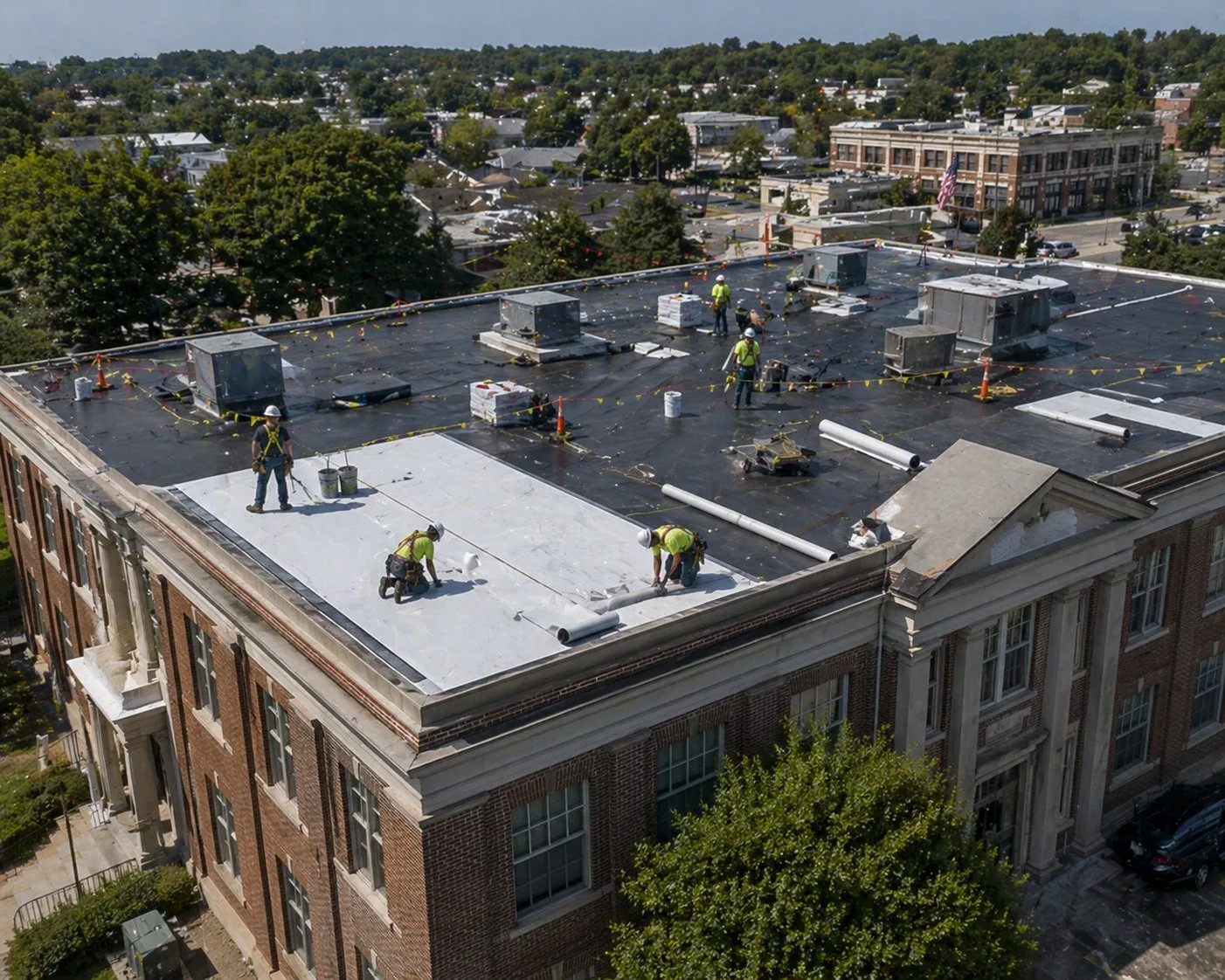
Duro-Last Commercial Roofing in South Fulton, GA
A distribution facility has long roof runs and many equipment penetrations. A Duro-Last PVC assembly needs each field seam and transition checked on its own. We identify the deck, insulation, attachment, and existing sheet before pricing a repair. South Fulton lists logistics and distribution among its industry strengths. That work can shape receiving and lift access, but it does not establish a membrane at any individual property.
Duro-Last commercial systems use PVC membrane. Prefabricated components may reduce field seaming at selected details, while the installed roof still depends on secure edges, compatible flashing, and a sound substrate. We inspect what is present before relying on a product label. A Soprema membrane review and GAF assembly comparison can be measured against the same roof-zone conditions.
PVC details: inspect field seams and prefabricated edges
We start with drawings, visible markings, and prior repair areas. A test opening can confirm the layer stack where insulation and deck are concealed. We record the position and moisture condition, then close the cut with compatible materials. If there are prefabricated accessories, the crew checks how they connect to field sheet, curb, and perimeter. A factory-shaped part still needs a sound tie-in on the building.
Field seams are prepared and heat-welded. We make a test weld when conditions shift, allow it to cool, and probe the bond. At corners and terminations, the flashing must connect without gaps or loose returns. The fastener line and edge metal are inspected separately. A PVC roof inspection captures the field, curb, drain, and perimeter checks by zone.
Rooftop equipment can change the detail after installation. A moved unit may expose an old curb or leave a new opening. Mechanical and electrical work should be assigned a flashing handoff before the roof is cut. The crew checks the completed penetration and photographs its close-in point. That record lets the general contractor confirm the equipment transition before the next zone advances.
South Fulton conditions: surface heat and storm edges
Georgia summers run long, hot, and humid, and winters are brief and mild. For Atlanta, NOAA puts the average at about seven days a year above 95 degrees. Heat exposure makes the surface condition and seam preparation part of the installation check. We record the test weld and probe the finished lap after cooling.
Damaging thunderstorm winds show up in the National Weather Service record for its Peachtree City warning area in each month. Corner pressure can stress edge securement and rooftop equipment. After a storm, the crew walks the perimeter for loose edge fasteners, shifted coping, and open flashing returns. The wind damage inspection records any lifted edge and sets a temporary dry-in limit. The membrane field is checked separately from the perimeter.
The largest commercial corridor in South Fulton is the Parkway, and some of the Camp Creek industrial-commercial area falls within the city. On a distribution property, the staging route and delivery window can affect the roof sequence. We confirm those constraints with the site contact. A Camp Creek area site visit still begins with the actual building use and access plan.
Repair boundary: test the membrane and substrate
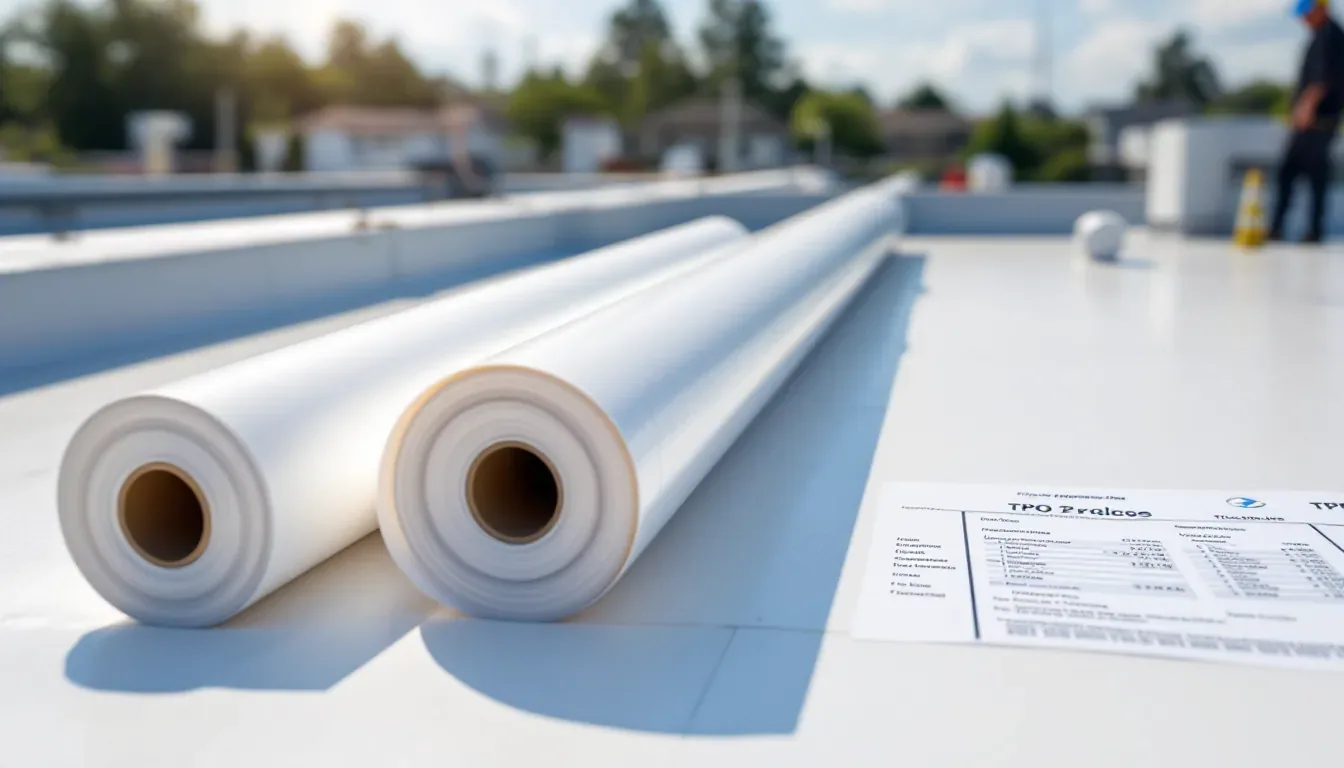
A puncture or seam opening needs a patch tied to sound PVC. We clean and prepare the sheet, then test the weld before completing the repair. If the surface is contaminated or brittle, the boundary moves to material that can hold a bond. We inspect the finished seam with a probe and photograph the transition. A broad patch over a weak edge can hide movement rather than correct it.
Moisture below the sheet changes the repair limit. We use readings and a test opening to locate wet insulation. Removal continues to dry, stable material; cover board and membrane are then restored in sequence. A firm, dry substrate keeps the work local, and the commercial repair scope then lists zone, material, and tie-in. The roof condition record keeps readings with that location. Concealed findings are recorded before added removal is approved.
Drainage is another boundary. A blocked bowl can be cleared, but a low deck or settled insulation may need correction. We inspect the drain, overflow, and surrounding plane before treating ponding. Adding a patch at the low point does not redirect water. The scope states whether the outlet, insulation, or deck needs attention.
Scope choice: retain, recover, or replace
Repair is appropriate when the fault is isolated and adjacent PVC remains serviceable. Recover may be possible over dry, attached layers with sufficient height at drains, curbs, and edges. Replacement is considered when wet insulation spreads, attachment is loose, or repeated repair limits keep expanding. We compare photos, test openings, and moisture readings. A recover assessment reviews the existing stack before a new layer is approved.
South Fulton has enforced the 2024 IBC with Georgia Amendments since January 1, 2026. Which review a PVC replacement triggers is settled with the city before material is ordered. That code edition does not determine whether a PVC system fits. Deck capacity, attachment, drainage, transitions, and building operations remain in the comparison.
Replacement scope marks tear-off zones and daily close-in points. It lists drains, equipment, and wall details that require separate handoffs. If removal exposes wet insulation beyond the expected area, the team has a review point before the limit moves. This keeps field conditions connected to a documented decision.
Work sequence: control access and close-in
Loading and receiving can set the roof-work window. We coordinate the lift, material staging, and interior protection with the general contractor. Each opened area has a dry-in limit. If rain approaches or a shift ends, we reduce the exposure and secure the zone. Photos show the close-in point and the next area scheduled.
Mechanical crews may replace equipment. Electricians can add conduit. Each new curb or penetration gets a named flashing handoff and inspection point. The crew verifies the tie-in before moving across the next roof zone. A work log records what is complete, what remains temporary, and which access route stays open.
An active leak can be reported at any hour, holidays included. For an active leak, we make access safe, keep water out of the interior, and mark the affected zone. Permanent repair waits until the membrane and substrate can be examined. An occupied-building roof sequence can account for operations below while the crew phases the work.
Closeout: keep the detail record
The closeout names the Duro-Last system, completed roof zones, seams tested, and prefabricated details inspected. Photographs identify field welds, drains, curbs, and perimeter work. Each test opening is marked, photographed, and closed. Where concealed conditions moved the repair limit, the record notes what was found and the new boundary, so the general contractor can check it against the approved scope.
South Fulton has industrial, flex, and office property alongside established commercial corridors. Each roof keeps its own assembly history. We retain membrane, deck, drainage, and access notes by building. A later inspection can return to the same edges and equipment details, then compare movement and moisture with the closeout record.
Check the PVC detail before selecting a scope
How do you inspect a Duro-Last PVC roof?
Before repair, we verify the sheet and attachment, then check field welds, prefabricated accessories, penetrations, drains, and perimeter details. A test weld helps confirm preparation when conditions change. Completed seams are probed and recorded by roof zone.
Can a Duro-Last roof be repaired without a full replacement?
It can when the sheet and substrate around the fault remain sound. We prepare and test the repair area, then probe the completed weld. Wet insulation, brittle membrane, or loose edge securement can move the boundary.
Do prefabricated details remove the need for field inspection?
No. Each component still needs a compatible connection to the field sheet, curb, or edge. We inspect the installed tie-in, probe the weld, and document any movement at the transition.
How do you determine whether a recover will work?
We check moisture, existing attachment, layer compatibility, drainage, and added height at curbs and drains. A dry and stable assembly may support another layer. A test opening confirms conditions that are not visible at the surface.
How do you phase roof work around receiving?
The access plan sets staging and work windows before opening a zone. Each shift ends at a defined dry-in point. Emergency calls are answered around the clock, holidays included, so active leaks can receive a safe first response.