
- Home
- Apartment Roofing
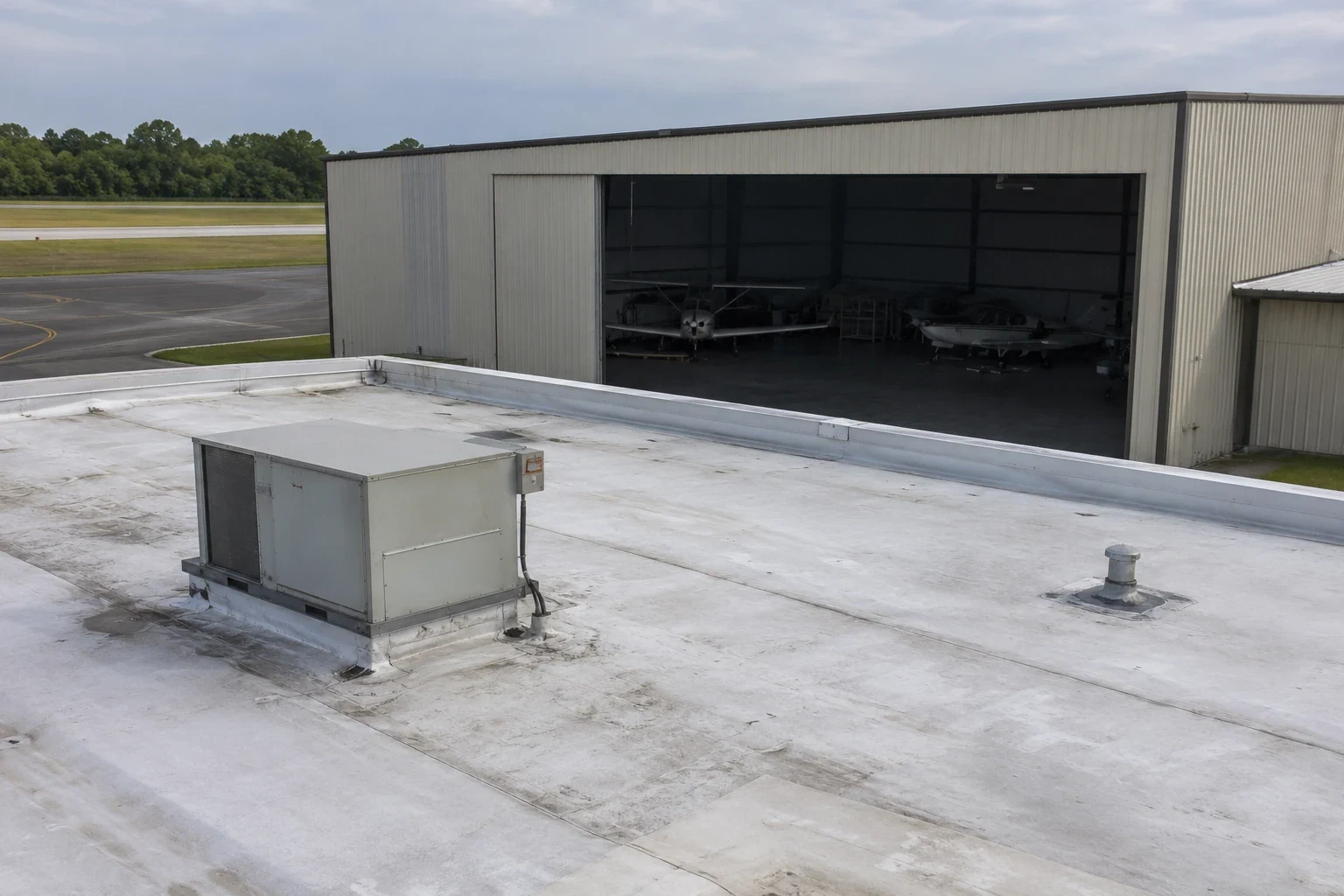
Apartment Roofing in South Fulton, GA
Residents report a leak within hours. They call the leasing office, send photos and ask for a date. That speed sets the terms for an apartment roof program: every roof zone has to trace to the doors under it, so the right unit is checked at once. In South Fulton, GA, the roofs also work through long humid summers, thunderstorm wind in every month and a spring hail and tornado peak. Lay the roof plan beside the unit map before anything else.
Building use: units, breezeways and amenity buildings
A community is rarely one roof. Residential buildings, a clubhouse, a leasing office and perhaps carports or a maintenance shop each carry their own slope and their own layers. Low-slope sections tend to sit over breezeways, podiums and entry canopies, with pitched sections elsewhere. Some buildings mix both.
The use below sets the order of repair. Water over a bedroom closet takes a unit offline. Water over a stair or breezeway is a slip hazard before it is a roof problem. Water over the clubhouse touches the one space every resident shares. Water over an electrical room reaches building power.
South Fulton is a city of nearly 115,000 people across more than 90 square miles, with a large suburban and rural footprint,. An owner with several properties gains from one report format, and the property management view ranks buildings by consequence across the whole portfolio.
Roof mechanism: water finds the transition
Most apartment leaks begin where one surface meets another. A pitched roof meets a wall. A balcony meets a facade. A low-slope section meets a pitched one. Flashing carries the load at each of those joints, and settlement, thermal movement and age pull it loose. Water then runs behind the cladding and shows up two rooms away.
Penetrations are the next path. Plumbing vents, bath exhausts, dryer vents and flues puncture the roof of each building dozens of times, and every one wears a boot or a cap. Sun cracks rubber boots long before the membrane around them is tired.
Heat and wind finish the job. Georgia summers are long and humid, and Atlanta tops 95°F on a typical seven days each year. Forecasters in the Peachtree City office count roughly 19 damaging-wind days annually, with some in every month. Ridges, hips and eaves take that wind first, so a wind repair starts at the edge and works inward.
Ponding is the last mechanism, and it belongs to flat sections. A clogged drain or a sagging deck holds water against seams until a boot tears.
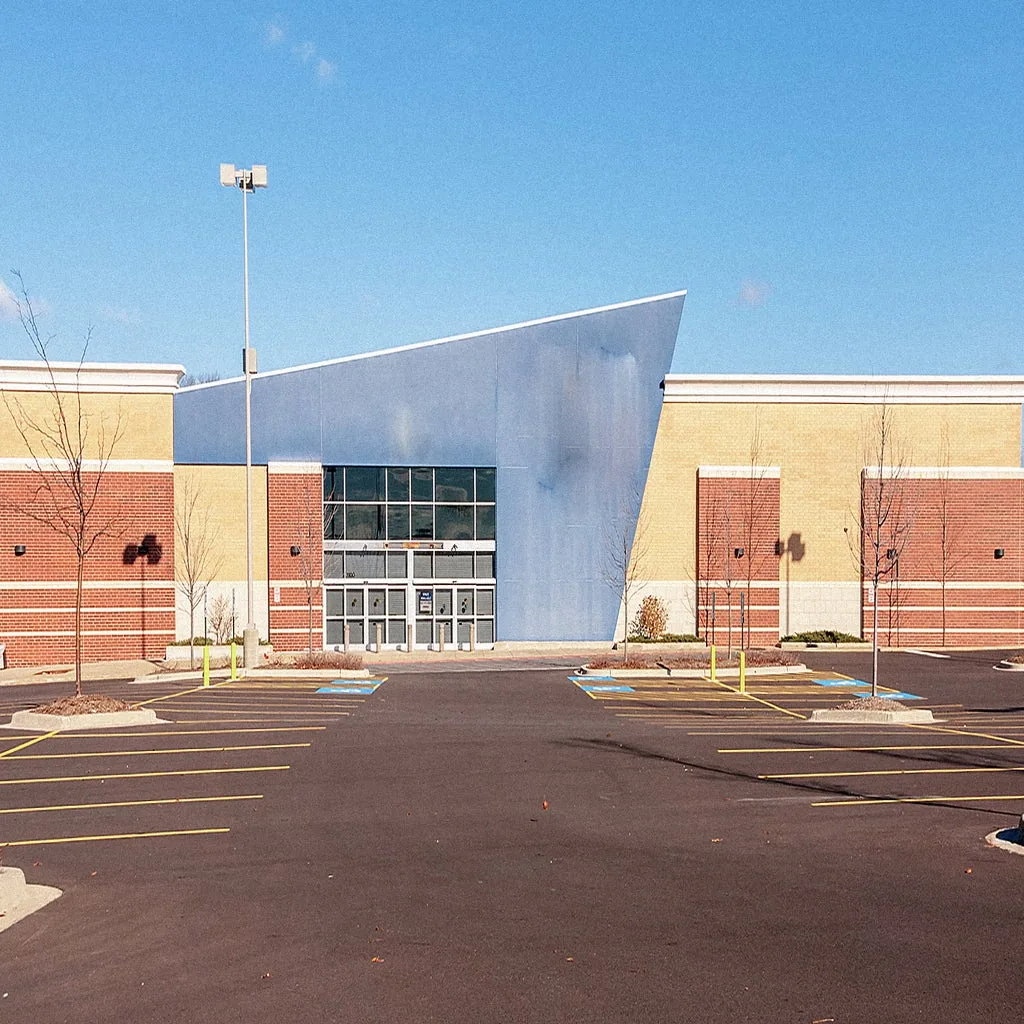
Inspection findings: from the stain back to the entry point
We photograph each building, then every edge, valley, wall junction, vent and drain. Findings are numbered and tied to the unit map, so a complaint from a top-floor apartment leads straight to the roof zone above it. The entry point is often several feet uphill of the stain.
Common finds: cracked vent boots, lifted wall flashing, damaged ridge or hip metal, loose coping on low-slope sections, clogged gutters and ponding at drains. Roof hatches and breezeway roofs get a look too, because maintenance staff walk them and leave wear.
Where a ceiling stain suggests wet insulation under a flat section, an infrared moisture survey draws the wet boundary. On pitched roofs we trace water along the deck. The wet boundary also counts the units that could be reached.
A March 2018 EF-2 tornado crossed South Fulton between Fairburn and Campbellton, and the weather service reports about seven large-hail days a year for north and central Georgia, most of them in April. After weather like that, the walk is repeated and compared with the earlier photographs.
Scope options: building repair, section rebuild, full replacement
A building repair covers boots, flashing and local defects. A section rebuild replaces one roof area. Full replacement takes the whole building. Moisture, layer age and the number of repeat calls pick between them: three leaks in one building within a year point toward replacement, while one cracked boot does not.
Cost lines run through tear-off, deck repair, underlayment or insulation, flashing, access, resident protection and weather hold. Deck condition is the real unknown on older pitched roofs, so rotted sheathing is priced per sheet from the start and the owner sees the exposure before the first panel comes off.
A capital plan ranks the buildings and assigns a replacement year to each. Buildings that can wait move onto a maintenance schedule. The ranking feeds the annual budget instead of leaving the budget to react to a bad week.
Access and sequencing: residents stay home
Residents live under the work, so notice goes out a week ahead with dates, hours and the kind of noise to expect. Parking and walkways below the work zone are fenced. Balconies under the roof edge are cleared. Tear-off stays inside daytime hours.
Each building is worked in sections, and every section closes the same day. Nothing stays open overnight when the forecast shows a storm. Top-floor units get ceiling protection if residents want it, and attic or ceiling access is booked through the office.
The trade order is short. Roof first, then gutters, downspouts and paint. Satellite dishes or solar hardware on the roof are removed and reset by their owners.
Leaks are met with a response at any hour, holidays too. The first visit sets a safe dry-in, the close-in limit follows, and the permanent repair is priced last. After each visit the office gets a written update.
Code coordination: permits, energy and neighbors in the same class
The City of South Fulton states that the 2024 International Building Code and its related 2024 editions, with Georgia Amendments, took effect on January 1, 2026. Georgia still uses the 2015 International Energy Conservation Code with state supplements. Replacement design meets both, and residential occupancy can add provisions, so the edition is confirmed when the permit is pulled.
Other sleeping occupancies share many of these limits. Senior living roofing and hotel roofing both put people under the work around the clock. A hail damage repair scope can start at an apartment roof after a storm crosses the region.
Send the site plan, unit map and leak log
How does a leak get traced to the unit that reported it?
Start from the unit map and go up. The stain points to a roof zone. On flat sections, moisture readings follow the water to its source. On pitched sections, the deck trace does the same job. The entry is usually a boot, a wall junction or a valley, and it sits away from the stain.
When do repeat repairs add up to a replacement?
When one building leaks in several places in a year, or wet insulation and soft decking appear in more than one zone. Patching then chases symptoms. The report counts leak calls and moisture findings by building, which shows the trend on paper.
What should residents hear before roofing begins?
Dates, hours, expected noise and what to clear from balconies and parking. The office sends the notice a week out. We write the text and revise it if weather moves the schedule.
Can replacement run one building at a time?
Yes. Each building becomes its own job with its own dry-in and its own price, which spreads spending over several budget years. The capital plan sets the order, usually worst roof first.
What documents help with an insurance claim after a storm?
Dated photographs from before and after, moisture readings and a plan marked with each finding. New damage is listed apart from old wear. Hail bruising, lifted shingles or metal and torn flashing are located on the plan, so the adjuster and the owner read the same evidence.