
- Home
- Grocery Store Roofing
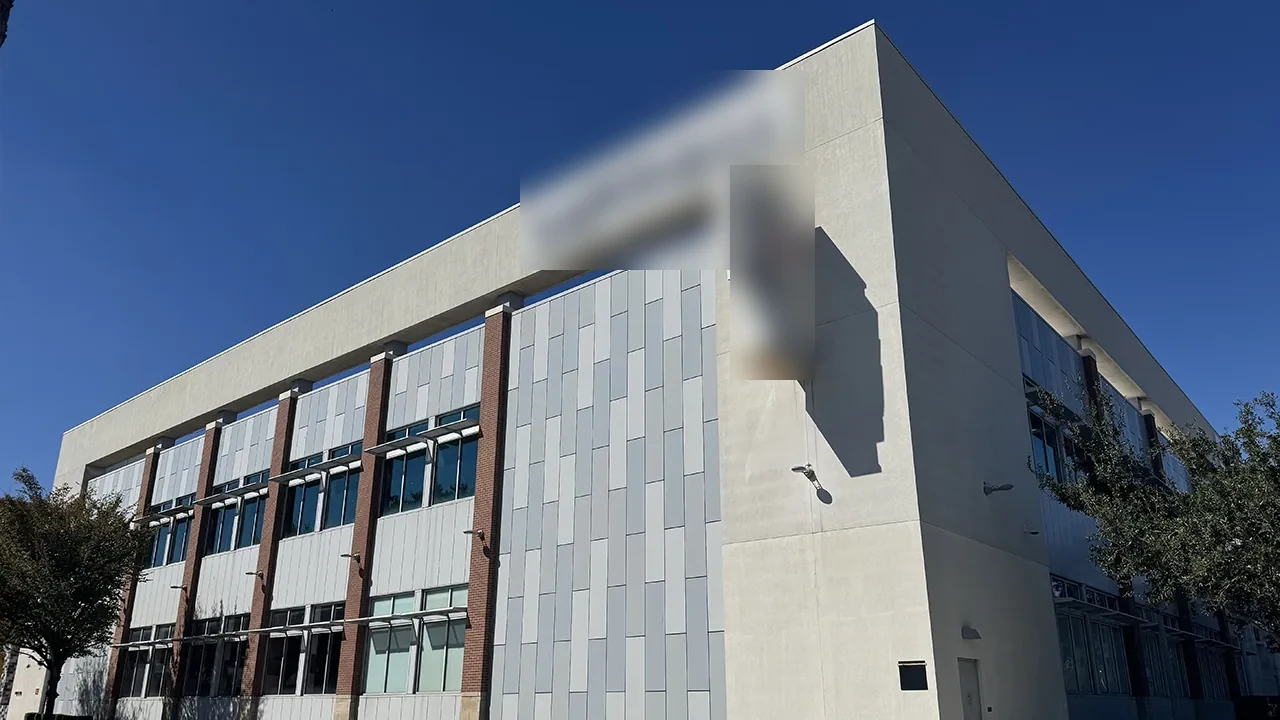
Grocery Store Roofing in South Fulton, GA
Cold air below, hot humid air above. That is the grocery roof in a South Fulton, GA summer. The refrigerated cases, walk-in coolers and freezers sit under the same deck that bakes in the afternoon. A small leak or a vapor path can wet insulation and then drip onto food. So the roof plan begins with moisture and refrigeration equipment, not with the membrane alone.
Building use: food, cold and open hours
A grocery store runs long hours. Many stay open into the night. The sales floor, the stockroom, the cooler boxes and the bakery or deli each sit under part of the roof. Water over open food is a food-safety event. The store may have to close the area and discard product. That cost can dwarf the roof repair.
The roof carries heavy equipment. Refrigeration condensers sit on stands. Exhaust fans vent kitchens. Rooftop units serve the floor. Lines for refrigerant and power cross the roof. Each stand, curb and line is a penetration.
The city's largest commercial corridor is South Fulton Parkway, with Roosevelt and Old National highways as its older business districts. Those names frame a site visit near Camp Creek Parkway and similar roads, but the roof over any one store is read on its own.
We tag every roof zone with what is below it: sales floor, cooler, bakery, dock, office. That tag sets the repair priority.
Roof mechanism: vapor drive and condensation
Long, hot and humid summers are normal in Georgia, and Atlanta reaches past 95°F about seven days each year. Outside air is wet. Inside the cooler boxes the air is cold. Where warm moist air meets a cold surface, water forms. If the roof assembly over a cooler lacks a proper vapor path, moisture collects in the insulation. It then looks like a roof leak.
A condensation problem and a membrane leak need different fixes. A hose test and a moisture reading separate the two. We check whether the stain follows rain or follows humidity.
Wind adds a second mechanism. In the Peachtree City warning area the National Weather Service has recorded damaging thunderstorm winds in every month, about 19 days a year. Roof edges and corners feel it first. Condenser stands add wind load as well. Their tie-downs are checked.
Drains are the third. A blocked scupper puts standing water on the roof. Standing water finds seams. The drain and scupper check comes first on every pass.
Inspection findings: equipment stands, boots and wet boundaries
We walk the field first, then every edge, drain, curb and stand. Photographs are numbered on the plan.
Typical grocery findings: cracked pipe boots at refrigerant lines, worn membrane under condenser stands, loose coping, open seams near curbs, and sealant over failed flashing. We note abandoned lines from old equipment. Capped or uncapped, each is a path for water.
An infrared moisture survey maps the wet boundary. It also shows whether moisture follows the cooler footprint, which points to vapor drive. A test opening confirms the layers and the insulation condition. Cores show whether a vapor retarder is present.
After a storm the walk is repeated. NWS climatology lists large hail in north and central Georgia on about seven days each year, April being the peak month. A report of hail justifies a look, nothing more; photographs and readings carry the finding.
Scope options: targeted repair, section rebuild, replacement
A targeted repair fixes boots, flashing and seams on a dry roof. A section rebuild replaces a wet zone down to the deck. Replacement applies when moisture is widespread or the layers are spent. The choice follows the moisture map.
Where condensation is the problem, the fix includes vapor control and insulation details above the cooler, not just a new membrane. A sheet over wet insulation will fail again. Cover board protects insulation from hail and foot traffic along service paths.
Price lines include tear-off, insulation, vapor control, access, lift time, equipment handling and weather hold. Refrigeration work adds a line: the contractor who disconnects and reconnects the lines. We coordinate but do not do that work. Phasing is common. The cooler zones are done together, so the vapor control is continuous.
Access and sequencing: refrigeration, food safety, open hours
Food stores cannot close for a roof job. So the crew works around them. Heavy work runs at night or in the slow hours. Deliveries avoid receiving times. Staging sits away from the entrance and the dock.
The dry-in limit is simple: a section opened in a shift is closed before the shift ends, and none stays open when a storm is forecast. Tear-off over food areas gets ceiling protection and a clean-up check before opening. The store manager decides what to cover.
The trade handoff is key. Refrigeration technicians disconnect condenser lines on a set schedule so product stays cold. We lift or shift stands and rebuild the curb or support. The refrigeration contractor reconnects and tests. The sequence is written down with times.
A leak over the sales floor gets an answer at any hour, holidays too, and the work runs in order: dry-in, close-in limit, permanent price.
Code coordination: permits, energy and food-safety rules
A grocery replacement is checked against two rulebooks: the 2024 International Building Code with Georgia Amendments, which South Fulton has enforced since the first of 2026, and Georgia's older 2015 energy code. The owner or operator may also have food-safety rules and corporate specifications. Those go into the scope.
A larger store brings the planning of big-box retail roofing, a grocery inside a strip shares a membrane with its neighbors as in shopping center roofing, and a cold chain building behind the store raises the vapor questions of cold storage roofing.
Send us the roof plan and the equipment schedule
How can we tell a roof leak from condensation over a cooler?
Check whether the water tracks with rain or with humidity. A roof leak shows after rain. Condensation shows on hot humid days with no rain, and moisture follows the cooler footprint. An infrared survey and a test opening answer it, and the diagnosis comes before any repair because the two fixes differ.
What happens to refrigeration when condensers are moved?
The refrigeration contractor controls that step. We agree on a schedule so product stays cold: lines are disconnected late, we shift or lift the stand and rebuild the curb, and the contractor reconnects and tests. The timeline is set in advance and the store manager approves it.
Can a grocery roof be replaced while the store stays open?
Usually, in sections, with nights as the main work window. Ceiling protection goes over food areas. Each section is dried in before opening. The store manager decides what to cover and what to move. Some areas, like the bakery, may need a short closure, and the plan names it.
Why are pipe boots a common leak source?
They are small pieces of flashing that crack in sun. Georgia heat and UV dry out the rubber and sealant. Refrigerant and conduit lines also move slightly, and the boot tears. Replacing a boot is a small job. Finding the cracked one is the real work, and the photo walk does.
Does hail damage show up right away?
Not always. Hail can bruise membrane and fracture insulation facers without a visible hole. Moisture may take a season to show. A reading and a core after a storm check for it. The report lists what was found and what was not, so repair and claim decisions rest on one record.