
- Home
- Old National and Jonesboro Road
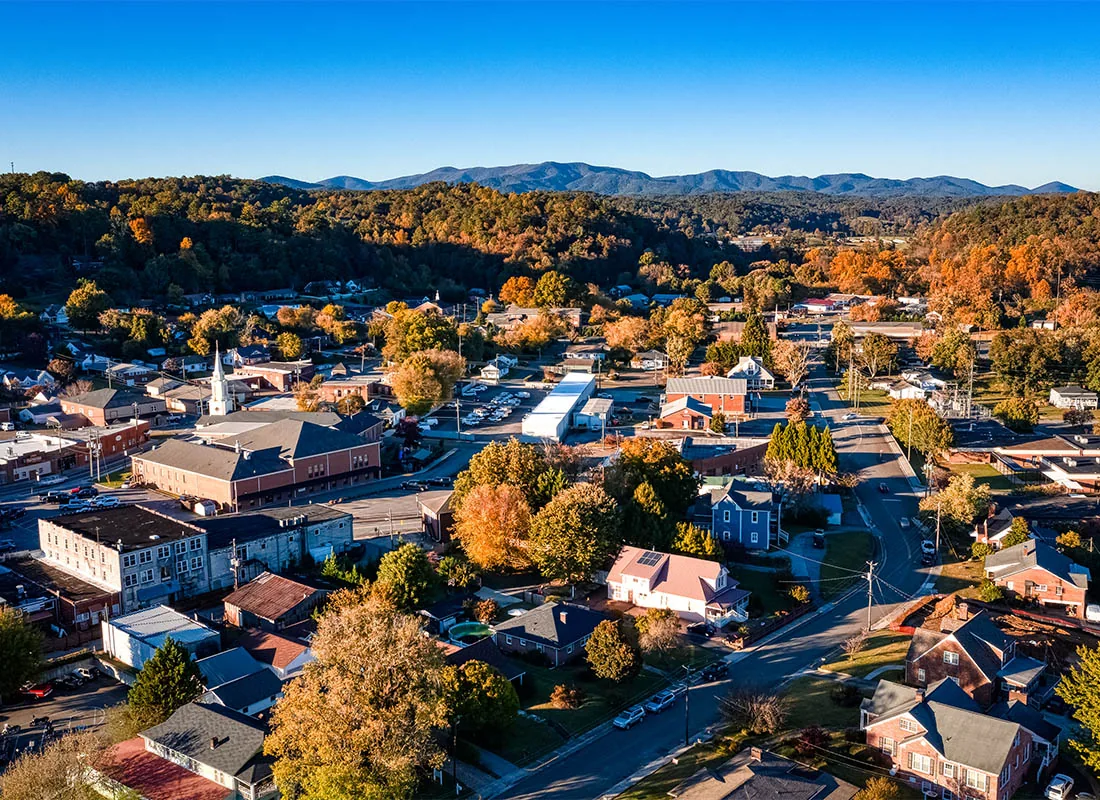
Commercial Roofing in Old National and Jonesboro Road, South Fulton, GA
A neighborhood retail node carries its roof as a fixed cost. South Fulton's strategic plan puts the Old National and Jonesboro Road focus area in the city's southeastern corner, inside the Old National Main Street area. It says the area is sized for neighborhood-serving retail. It is one of three Old National economic-opportunity areas, and the city recommends a market assessment to guide future investment. An investor running that assessment needs a roof number. We supply it: a surveyed roof, a reserve schedule and a maintenance cycle.
Building use: neighborhood retail, small bays
Neighborhood retail means small bays. A pharmacy, a salon, a restaurant and a clinic can share a roof line. Each bay has its own curb and its own tenant. Roofs in a node like this may be low-slope with a parapet, or sloped metal over a shed.
The plan describes a scale of use, not an assembly, so each building is read on site. A test opening shows the layers.
Small bays have one lesson. The roof is cheap to maintain and costly to ignore. A cracked boot costs little. A wet stockroom costs more.
Tenant mix drives roof wear. A restaurant adds grease. A clinic adds air handlers. A dry cleaner adds exhaust. A salon adds vents. Each trade means more penetrations and more service visits. We note the mix and match the inspection to it.
Awnings and canopies deserve their own look. They tie to the wall. Water runs off them onto the sidewalk or into a gutter. A loose canopy fastener lets water behind the wall finish. We check the connection and the sealant line.
Investor survey: the roof number behind a market assessment
An investor needs four facts. How old is the roof system? How much insulation is wet? Which details are failing? What will it cost to carry the roof for ten years?
The survey answers each. We read the layers at test openings. We scan for moisture. We log failing details with photos. We sort findings into fix now, fix this year and watch. A due diligence roof survey packages the answers for a lender or a buyer.
The result is a reserve schedule. It names a year for each major item and a cost range. The investor can set the reserve against rent roll.
Timing matters in a deal. An inspection period is short. We plan the survey to fit: a moisture scan, a few cores, a drainage check and a summary within days. The investor gets a clear reserve number before the period closes.
A seller's roof records help. Past repairs show where leaks recur. Warranty papers show what coverage remains. We read them against what we find on the roof. Gaps between the two are findings.
Roof mechanism: small roofs, large edge
A small roof has a high ratio of edge to field. Wind pressure peaks at edges and corners. Water leaves at a few points. Flashing runs for a long length compared with the area.
That ratio sets the repair pattern. Most leaks on small roofs come from details. Cap joints open. Curb corners split. Boots crack. Scuppers sit high. The field is often sound.
Every detail is tested by hand. Terminations are pressed, drains are flooded with a pour of water and each stretch of edge metal is checked for play. Our edge metal and coping repairs restore a tight line.
Drainage on a small roof relies on one or two outlets. A single clogged scupper ponds the whole surface. We clear it, retest and look for an overflow. If none exists, we recommend adding one. A drain and scupper fix is small. A flooded stockroom is not.
Storm and heat record for the reserve
Atlanta heat tops 95 degrees on about seven days a year, with damp air around it. Heat ages sealants and boots. A reserve should assume repeated small repairs at details.
Spring brings severe storms. April is the peak for large hail, which strikes across north and central Georgia about seven days each year, and tornadoes can occur in any month. A given site may be missed in a given year. A baseline before March makes any later claim cleaner.
After a storm the steps run in order. Dry-in first. Photos second. Permanent repair third. We seal openings and list temporary materials with a removal date. A patch left through a Georgia summer can fail before anyone returns.
Edge metal needs a hand test after wind. We press each length. Play in the edge metal goes on the list. A stouter cleat is cheap beside a lifted sheet.
Scope options: repair now or reserve for replacement
A coating suits a roof whose insulation tests dry. It adds reflectivity and seals wear. A roof coating restoration is a lower-cost path when the survey supports it.
Wet zones call for section replacement. Wide saturation calls for a full new roof. The number moves with roof area, wet insulation, penetrations, access and hours, and the proposal itemizes each driver.
An investor may choose to repair and hold. Another may choose replacement to reset the warranty. Both calls need the same record.
Timing for a replacement follows the weather. Adhesives cure slowly in humid air, and afternoon storms interrupt. Spring and fall give the best windows. The proposal names the target month and the backup month.
Warranty choices matter to a buyer. A new roof with a manufacturer warranty adds value. A repaired roof with a clean record adds less. The survey shows which path the numbers favor.
Maintenance cycle: spring pass and fall pass
Two visits a year keep a small roof healthy. The spring pass checks drains, seams and edges after winter and before storm season. The fall pass clears debris and tightens details before cold. Each visit takes a few hours.
A preventive maintenance plan sets both visits in advance. Each leaves a dated photo set. The set shows trends. A boot that cracked this year gets replaced before it leaks.
Records from each visit feed the reserve schedule. A boot replaced early stays off the replacement list. A seam that opened twice moves a section up the list. Over several cycles the schedule gets accurate.
Send the address list and the closing date
What should an investor send before a roof survey?
Send the address list, any seller roof records and the closing date. We recommend adding lease terms on roof repair. With those, we plan the survey inside the inspection period.
What does a reserve schedule list?
Each major item, a target year and a cost range. We recommend updating it each spring after the roof pass.
Are small roofs cheaper to maintain?
Per visit, yes. Per square foot, edge and detail work cost more. We recommend two visits a year to catch details early.
Is coating a good choice for a small retail roof?
When insulation is dry and the membrane is flexible. A moisture scan plus a core cut comes before any decision.
How does a baseline help a retail owner?
It shows the roof before a storm. We recommend a full photo pass and moisture scan each year before March.