
- Home
- Auto Dealership Roofing

Auto Dealership Roofing in South Fulton, GA
Hail sends a dealership crew into the lot to count dented hoods. The roof comes second, and it should not. Ice that bruises sheet metal can bruise a membrane, crack an insulation facer or dent coping, and none of it shows from the ground. In South Fulton, GA, a dealership roof plan begins with a record that separates what a storm did from what age did, so the owner can face an adjuster with photographs instead of opinions.
Building use: showroom, service bays and canopies
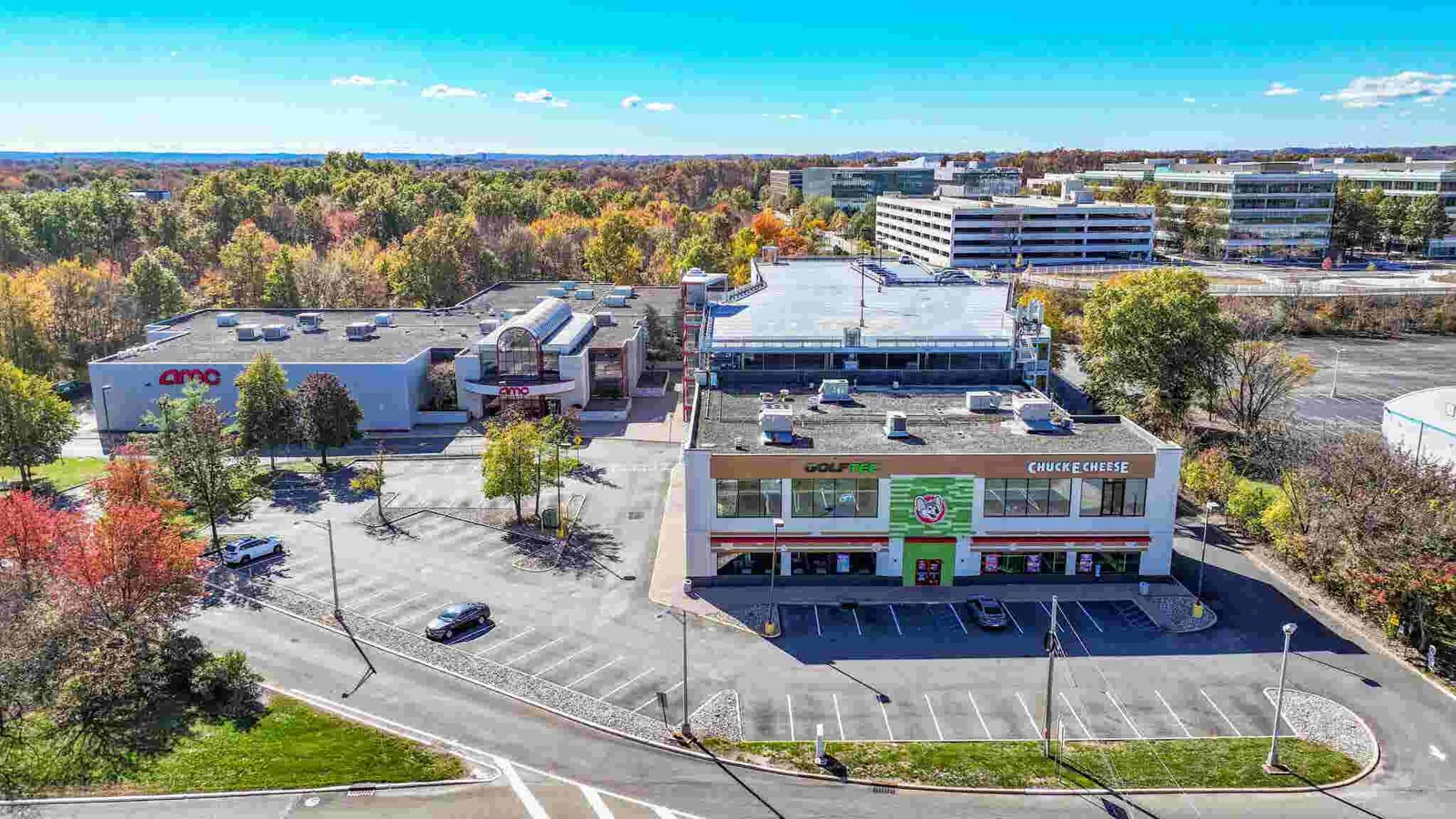
One dealership means several roofs at different heights. The showroom is the visible one: glass walls, a parapet and usually a styled front. Behind it sit service bays with a wide span, tall doors and exhaust. Parts storage and offices fill in the rest, and canopies cover the delivery or write-up drive.
Each roof carries a different loss. Water over the showroom lands on new inventory, furniture and the first impression a buyer gets. Water over the bays lands on lifts, diagnostic gear and electrical. Water over parts storage lands on stock that cannot be dried.
Rooftop units cool the showroom, exhaust fans clear the bays, and sign supports sometimes bolt to the roof. Each one is a penetration with its own flashing detail.
Commercial frontage in South Fulton runs along the Roosevelt and Old National highway districts, and about 500 establishments sit on the Georgia Highway 279 stretch, according to the merchants association. A dealer on the Old National Highway corridor works from the same record as one anywhere else in the city.
Roof mechanism: hail bruising, parapets and glass walls
Hail damage is not always a hole. The impact can fracture the facer on the insulation, bruise the sheet or dent edge metal, and water may not enter for weeks. Hail large enough to matter reaches the north and central Georgia warning area roughly seven days yearly, and April leads the count.
Glass-wall junctions are the second mechanism. Where a roof meets a curtain wall, the flashing must absorb movement between two unlike materials. Sealant gives out first. Water then runs down behind the frame and appears as a stain on the showroom ceiling well away from the cause.
Heat works on the dark surface. Georgia summers are long and humid, and a dark membrane next to a glass front runs hotter than the air around it. Seams grow every afternoon and shrink at night.
Wind completes the list. The Peachtree City forecast office logs damaging gusts through the whole year, and canopy edges and showroom parapets feel them first. A hail repair scope covers what the photographs and readings show, no more.
Inspection findings: new damage against old wear
We photograph the roof from fixed points, then every edge, curb, drain and glass junction. The same positions are used on each return visit, which produces a clean before-and-after set.
Typical findings: failed sealant at the curtain wall, loose coping on the showroom parapet, cracked boots, ponding near drains, worn sheet along the service path and dents in metal trim. Each is marked new or old.
After a hail event the walk looks for bruising, fractured facers and punctures. A moisture reading shows whether damage reaches the insulation, and an infrared moisture survey maps wet boundaries over the large service-bay roofs in hours. A test opening confirms the layers.
Skylights over bays or offices add a second look. A skylight and penetration flashing review covers curbs, domes and seals.
Scope options: repair, restore, recover, replace
Repair fixes local defects. A coating restoration extends the life of a sound, dry membrane. A recover lays a new sheet over a dry roof. Replacement is called for where moisture is widespread or the layers are spent. Each roof zone earns its own path.
The showroom roof is small and visible, so edge metal, parapet caps and glass-wall flashing get rebuilt slowly and carefully. Service-bay roofs are wide and plain, which suits phased replacement one bay at a time.
Price lines: tear-off, insulation, access, lift time, interior protection, equipment handling and weather hold. A cover board over the insulation resists hail and foot traffic, and it deserves a place in the estimate as an alternate. Technicians visit the showroom units more than any others, so walk pads along that route are worth pricing separately.
Roofs that can wait go onto a maintenance schedule with a dated target. That file also backs an insurance request after the next storm.
Access and sequencing: sales floor, service drive, open hours
A dealership keeps selling and servicing while the roof is under repair, so the crew works around both. Showroom tear-off runs before opening or on a slow day. Service-bay work avoids appointment peaks. Lifts and staging stay clear of the delivery drive and customer parking.
Vehicles move before work starts. Cars under a work zone are repositioned, and covers go over any that stay. The dealer decides what moves and when.
By closing time each opened section is sealed and tested. Storm forecasts keep the roof shut overnight. Over the showroom floor and the bay equipment, interior protection goes up first.
The handoff is simple. An HVAC contractor disconnects the showroom units, we lift, rebuild the curb and reset, and a sign contractor handles anything mounted on the roof. A leak call gets an answer at any hour, holidays included, followed by a dry-in and a close-in limit.
Code coordination: permits and brand standards
Since January 1, 2026 the city permit office has applied the 2024 model codes as amended for Georgia. Georgia keeps energy compliance on the 2015 IECC with its supplements, so a replacement is designed to meet both rulebooks. Manufacturer brand standards for the showroom may add rules on parapet height, color and finish, so the dealer's franchise document is read before material is chosen.
A dealership next to a row of stores shares the shared-roof logic in shopping center roofing. Dealer groups with several rooftops can run one format, as in retail chain roof programs. Big service buildings follow flex industrial roofing, and the Roosevelt Highway corridor uses the same record format as any other.
Send the roof plans and the service schedule
How soon after hail should the roof be walked?
As soon as footing is safe. Fresh bruising and cracked facers read clearly before rain and foot traffic blur them. We repeat the earlier photo route and compare, since weeks of delay let water in and soften the record.
Do dented cars prove roof damage?
No. Sheet metal on a car and a membrane react to ice differently. The roof walk decides: membrane, facers, edge metal and moisture readings. The report states what was found whether or not vehicles were hit.
Why do glass-wall junctions leak?
Two materials meet and move at different rates. The sealant hardens and splits in heat, and the flashing may be short. A proper repair rebuilds the flashing and uses a sealant rated for movement, not a bead over the old one.
Can the showroom roof be replaced without closing the showroom?
Often, in sections, before opening hours. Ceiling and floor protection go up first and each section is sealed before the doors open. A section that cannot finish gets a temporary seal and is completed on a slow day.
What helps with an insurance claim after a storm?
A dated photo set taken before and after the storm, moisture readings and a roof plan with each finding marked. New damage is listed apart from old wear, so the adjuster and the owner review the same evidence.